
If you are reading this, you might be feeling overwhelmed after a pedestrian accident. You may be facing physical, emotional, and financial difficulties, and you likely have many questions. One of the main concerns you may have is how to prove that someone else is legally responsible for your injuries. The process of proving liability in pedestrian accident cases can be complex, especially in North Carolina, where laws can affect the outcome of your case.

At times like these, it is natural to feel uncertain. You may not know where to begin or what steps to take. But, rest assured, we are here to help you through this challenging time. Our team understands your worries, and we are committed to supporting you as you seek the justice and compensation you deserve. We want you to understand the obstacles involved in proving liability and how we can help you achieve a successful outcome.
Understanding Pedestrian Accidents in North Carolina
Pedestrian accidents occur when a person walking is struck by a vehicle. In North Carolina, these accidents happen for various reasons, including distracted driving, speeding, failure to yield, or even improper road conditions. Often, these accidents result in serious injuries, and in some cases, they can be fatal. When these accidents happen, the injured party may have the right to seek compensation for their medical bills, lost wages, pain, and suffering.
In North Carolina, proving liability in pedestrian accidents often requires careful investigation. The evidence must show that the driver of the vehicle was negligent in some way, such as failing to follow traffic laws. At the same time, the defense may argue that the pedestrian was at fault or that the accident was unavoidable. Understanding the complexities of these cases is essential to navigate through the legal process.
Attorney Paralegal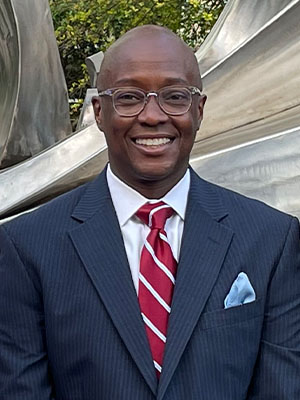
Marcel McCrea
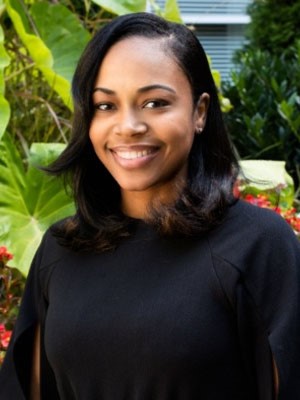
Tylisa Crawford
The Burden of Proof in Pedestrian Accident Cases
In any legal case, the person bringing the case to court must prove that their claims are true. This is known as the burden of proof. For a pedestrian accident case, this means that you or your legal team will need to demonstrate that the driver was at fault for the accident and that their actions caused your injuries.
North Carolina operates under a “comparative negligence” rule. This means that even if the pedestrian shares some fault in the accident, they may still be entitled to compensation, but the amount could be reduced based on their percentage of fault. This rule can make proving liability even more challenging. If, for example, a pedestrian stepped into the street without looking, the driver might argue that the pedestrian’s actions contributed to the accident. In these cases, it is crucial to have solid evidence to back up your version of events.
Gathering Evidence to Prove Liability
One of the most significant challenges in pedestrian accident cases is gathering the right evidence to prove liability. In order to show that the driver was at fault, you will need to provide details that support your claim. This may include witness statements, surveillance footage, and accident reports. Additionally, physical evidence like skid marks or damage to the vehicle can be important in showing how the accident occurred.
Sometimes, proving liability is not as simple as it might seem. For instance, if there were no witnesses to the accident, it might be difficult to prove that the driver was speeding or distracted. Similarly, if the driver claims that the pedestrian was at fault, it could take time to investigate whether the pedestrian had the right of way or whether the road conditions contributed to the incident.
I have worked and referred cases to Attorney Marcel McCrea in Charlotte, North Carolina, for a number of years. His zealous advocacy, keen attention to details, and client care are particularly noteworthy. He has been especially helpful in some complicated personal injury matters that I have referred to his firm. I highly recommend Marcel McCrea and ClearView Legal for anyone looking for excellent attorneys.” - Frantz Jacques ClearView Legal do great work. When I had my car accident they were very diligent in showing me the process. They took care of all the necessary paperwork and negotiation in my personal injury claim. They were both passionate and determined to get me my settlement. I am eternally grateful. Definitely 5 star lawyers in my book." - Osmund Marcellin I was recently injured in a car accident. I hired Attorney Marcel McCrea of ClearView Legal in Charlotte, NC to help me with my personal injury matter and to recover for my medical bills, lost wages, and pain and suffering. - S. Jackson
Before hiring the firm, I tried to negotiate with the insurance company on my own and got no where. Marcel McCrea did an excellent job and helped me to recover much more than I expected. Marcel and his staff exceeded my expectations and provided great customer service. I highly recommend the firm!"
Dealing with Insurance Companies
Once a pedestrian accident is reported, the insurance companies will get involved. The driver’s insurance company will try to minimize their payout by questioning who was at fault or by offering a settlement that is far below what you deserve. This is another reason why proving liability can be so challenging. Insurance adjusters are trained to protect the interests of their company, and they often do this by casting doubt on your case or offering lowball settlements.
You should never accept an offer from an insurance company without consulting an attorney. Insurance companies often try to settle quickly, and their offers might not reflect the full extent of your injuries or the long-term costs of medical treatment. An attorney can help you navigate these negotiations and ensure that you receive a fair offer.
Challenges in Proving Fault and Contributory Negligence
In North Carolina, proving fault is made more difficult by the state’s comparative negligence laws. Even if you are partially at fault for the accident, you may still have a right to compensation. However, the amount of compensation you receive can be reduced based on how much fault is attributed to you. For example, if the jury finds you 20% at fault for the accident, your compensation will be reduced by 20%.
This is why it is so important to have an attorney who understands the nuances of North Carolina law. Your attorney can help you build a strong case by demonstrating the driver’s responsibility in the accident and countering any claims of fault against you. The goal is to make sure you receive the compensation you are entitled to, despite any claims of shared responsibility.
Choosing a Personal Injury Attorney Personal Injury Case Case TimelineRelated Videos
How an Attorney Can Help Prove Liability
An experienced attorney can be your biggest ally when it comes to proving liability in a pedestrian accident case. Lawyers who handle pedestrian accidents regularly know how to investigate the accident, gather the necessary evidence, and present the case in a way that shows the other party was at fault. They can work with accident reconstruction experts, interview witnesses, and consult with medical professionals to show how the accident occurred and the impact it has had on your life.
By having legal representation, you also ensure that your rights are protected throughout the process. This includes dealing with insurance companies and making sure that all paperwork and deadlines are handled on time. Your attorney can also guide you on how to handle the emotional aspects of the case, helping you focus on your recovery while they focus on your legal matters.
The challenges of proving liability in a North Carolina pedestrian accident case are significant, but they are not insurmountable. With the right support and guidance, you can build a strong case and work toward getting the compensation you deserve for your injuries. At ClearView Legal, we understand the difficulties you are facing, and we are here to help. Our dedicated team will fight for your rights every step of the way, ensuring that you have the best possible chance of achieving a successful result. If you or a loved one has been involved in a pedestrian accident, don’t hesitate to contact us today to discuss your case. We are ready to help you take the next steps.
To learn more about this subject click here: The Role of Insurance Companies in North Carolina Pedestrian Accident Claims

 |
 |