

Understanding the Basics of North Carolina Insurance in Pedestrian Accidents
In North Carolina, insurance companies operate under a fault-based system, meaning the party responsible for causing the accident is liable for paying for the damages. This system places the burden of proof on the injured party to show that the driver or another party was at fault. Insurance policies held by drivers typically include liability coverage that can apply to pedestrian accidents. When a pedestrian is struck by a vehicle, the driver’s liability insurance is usually the first avenue pursued for compensation. However, this process is rarely straightforward, as insurance companies work to limit the payouts they have to make. Pedestrian accident victims may face challenges in proving the driver’s fault, as insurance companies often investigate accidents thoroughly to determine if the pedestrian was partially at fault. In North Carolina, the law follows a contributory negligence rule, which can prevent victims from receiving any compensation if they are found to be even slightly at fault. This strict rule makes it crucial for victims to gather solid evidence, such as witness statements, police reports, and medical records, to support their claims. Insurance companies know this rule well, and they may use it to their advantage to reduce their payout responsibilities or even deny claims altogether.How Insurance Companies Evaluate Pedestrian Accident Claims
Insurance companies evaluate pedestrian accident claims by looking into various factors to determine the amount of compensation they believe is fair. They start by examining the accident report, witness statements, and any available video footage to understand the accident’s circumstances. Insurance adjusters will also consider the severity of the pedestrian’s injuries, medical bills, the cost of rehabilitation, lost income, and any impact the injuries may have on the victim’s life. They will often assign a value to these damages and make an initial settlement offer based on their calculations.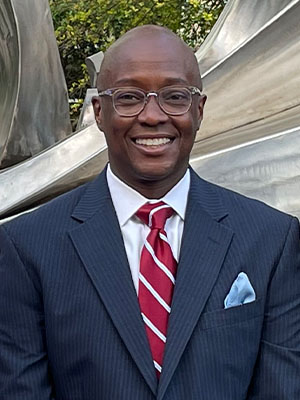
Marcel McCrea
Attorney

Tylisa Crawford
Paralegal
The Challenges Pedestrian Victims Face with Insurance Companies
Pedestrian accident victims in North Carolina often encounter several challenges when dealing with insurance companies. One of the biggest challenges is that insurance adjusters are skilled at minimizing claim payouts. They may try to place some of the blame on the pedestrian, pointing to actions like jaywalking, crossing outside designated crosswalks, or failing to pay attention to oncoming traffic. Even when a pedestrian is struck in a seemingly clear-cut situation, such as crossing with a walk signal, insurance adjusters may still question the victim’s actions to reduce liability. Another challenge comes from the insurance company’s use of medical records to dispute the extent of injuries. They may request access to medical history and use any previous injuries or conditions as a reason to lower the settlement amount. For example, if a pedestrian had a pre-existing back injury, the insurance company might argue that the accident did not cause their pain or disability. This tactic can be frustrating for victims who need fair compensation to cover medical expenses and recover fully. Insurance companies may also delay the claim process to pressure the victim into accepting a lower settlement. Prolonged delays can create financial strain on accident victims, particularly if they are unable to work or face mounting medical bills. This delay tactic can be particularly effective when victims do not have legal representation, as they may not know how to push back or demand a quicker resolution.
I have worked and referred cases to Attorney Marcel McCrea in Charlotte, North Carolina, for a number of years. His zealous advocacy, keen attention to details, and client care are particularly noteworthy. He has been especially helpful in some complicated personal injury matters that I have referred to his firm. I highly recommend Marcel McCrea and ClearView Legal for anyone looking for excellent attorneys.”
- Frantz Jacques
ClearView Legal do great work. When I had my car accident they were very diligent in showing me the process. They took care of all the necessary paperwork and negotiation in my personal injury claim. They were both passionate and determined to get me my settlement. I am eternally grateful. Definitely 5 star lawyers in my book."
- Osmund Marcellin
I was recently injured in a car accident. I hired Attorney Marcel McCrea of ClearView Legal in Charlotte, NC to help me with my personal injury matter and to recover for my medical bills, lost wages, and pain and suffering.
Before hiring the firm, I tried to negotiate with the insurance company on my own and got no where. Marcel McCrea did an excellent job and helped me to recover much more than I expected. Marcel and his staff exceeded my expectations and provided great customer service. I highly recommend the firm!"
- S. Jackson
What to Expect from Insurance Companies During Negotiations
During negotiations with insurance companies, victims can expect adjusters to make offers that may seem less than adequate. Insurance adjusters are trained negotiators, and their job is to save their company as much money as possible. They will likely begin with a low settlement offer, which they hope the injured pedestrian will accept out of frustration or financial need. However, victims should know that this initial offer is usually just the starting point of the negotiation. Insurance adjusters will often challenge the evidence presented by the victim. If there are discrepancies in medical records or any signs that the victim may have contributed to the accident, the adjuster may use these points to argue for a lower payout. For this reason, it’s vital for accident victims to keep thorough records of medical treatments, expenses, and other related costs. Documentation strengthens their case and makes it harder for insurance companies to dispute the claim’s validity. Victims should also be aware that insurance companies may use recorded statements against them. After the accident, the insurance company may request a recorded statement from the injured party, claiming it’s necessary for the claim. However, anything said during this recorded statement can be used to reduce or deny the claim. Victims should be cautious when speaking with insurance representatives and may want to consult a legal professional before giving any statements.Related Videos
Choosing a Personal Injury Attorney
Personal Injury Case Case Timeline