
Back-to-school traffic can change Charlotte roads within a few days. School buses return to neighborhood routes, families adjust to new drop-off and pickup schedules, teen drivers face heavier morning traffic, and more children walk or ride bicycles near schools. Charlotte-Mecklenburg Schools identifies August 25, 2026, as the first day of school for the 2026-2027 school year.
These changes can increase the chance of rear-end crashes, turning collisions, pedestrian injuries, bicycle accidents, and school bus incidents. Drivers can reduce risk by allowing more travel time, slowing down near schools and bus stops, avoiding phone use, and expecting sudden stops.
After a crash, injured people and families should focus on medical care, reporting the collision, documenting the scene, and preserving evidence. ClearView Legal helps people in Charlotte, Mecklenburg County, and nearby areas understand the legal and insurance issues that may follow a school-zone, pedestrian, bicycle, bus, or car accident.

Why Charlotte Traffic Changes So Quickly in August 
August is not automatically the month with the highest number of crashes in every annual data category. It still deserves added attention because summer travel overlaps with the return of school transportation.
A route that took 20 minutes in July may take longer once buses, crossing guards, school drop-off lines, and student drivers return. Drivers who leave home without extra time may be more likely to speed, follow too closely, make rushed turns, or become distracted by navigation apps.
Traffic can also change at different times of day. Morning arrival periods may begin before the usual commute reaches its peak. Afternoon dismissal may overlap with work traffic, delivery vehicles, after-school activities, and sports practices. A driver who is familiar with a road may still encounter new congestion near a school entrance or bus stop.
The National Highway Traffic Safety Administration advises drivers to watch for children, obey school-zone speed limits, yield to pedestrians in crosswalks, and follow school bus stopping laws. Drivers should also slow down when they see flashing yellow school bus lights because the bus is preparing to stop.
NHTSA school safety information:
https://www.nhtsa.gov/school-bus-safety/keeping-children-safe
School traffic can change overnight. Extra time and focused driving can help protect children, families, and other road users.
Common Back-to-School Traffic Accidents
Back-to-school crashes may happen on neighborhood streets, at intersections, in parking lots, near bus stops, or along busy Charlotte corridors.
Common situations include:
- A rear-end collision when traffic stops behind a school bus
- A driver turning through a crosswalk while watching oncoming traffic
- A child entering the road from between parked vehicles
- A bicycle rider struck by a vehicle entering or leaving a driveway
- A parent backing from a parking space without seeing a nearby child
- A teen driver misjudging speed, distance, or right of way
- A distracted driver looking at a phone or navigation app
- A multi-vehicle crash caused by sudden congestion near a campus
- A driver passing a vehicle that stopped for a pedestrian
- A crash caused by an unsafe lane change near a school entrance
These collisions may happen quickly, but the investigation can require a detailed review of speed, sightlines, traffic controls, driver attention, bus signals, witness accounts, and available video.
Attorney Paralegal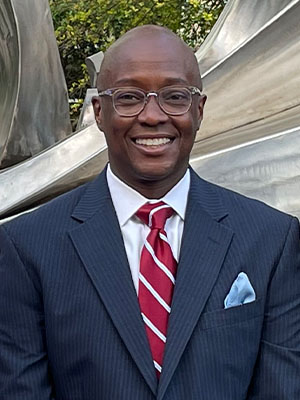
Marcel McCrea
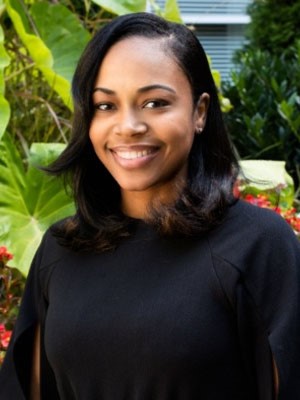
Tylisa Crawford
North Carolina School Bus Rules
North Carolina General Statute 20-217 generally requires drivers to stop when a properly marked school bus displays its mechanical stop signal or flashing red lights while receiving or discharging passengers.
The rule for drivers approaching from the opposite direction depends on the design of the roadway. On some divided highways and certain roads with multiple lanes and a qualifying center separation, opposing traffic may not be required to stop. Drivers should identify the roadway configuration, slow down, and remain alert for children who may cross unexpectedly.
Drivers should not rely on assumptions about whether a road is divided. The exact lane layout and center separation matter. When in doubt, a driver should slow down and be prepared to stop safely.
North Carolina General Statute 20-217:
https://www.ncleg.gov/EnactedLegislation/Statutes/HTML/BySection/Chapter_20/GS_20-217.html
A traffic citation may become useful evidence, but it does not automatically decide a civil injury claim. Insurers may still dispute speed, visibility, causation, injury severity, or whether another person contributed to the collision.
North Carolina Crosswalk Rules
North Carolina General Statute 20-173 generally requires drivers to yield to pedestrians in marked crosswalks and qualifying unmarked crosswalks at or near intersections when traffic-control signals are not in place or operating.
The law also prohibits a driver from passing another vehicle that has stopped at a crosswalk to allow a pedestrian to cross. A driver entering or leaving an alley, building entrance, private road, or driveway must yield to pedestrians and bicyclists approaching on a sidewalk or walkway.
North Carolina General Statute 20-173:
https://www.ncleg.gov/EnactedLegislation/Statutes/HTML/BySection/Chapter_20/GS_20-173.html
Pedestrians also have legal duties. For example, North Carolina General Statute 20-174 addresses crossing outside marked or unmarked crosswalks. The facts of each collision matter, including visibility, traffic signals, driver speed, and the conduct of everyone involved.
North Carolina General Statute 20-174:
https://www.ncleg.gov/EnactedLegislation/Statutes/HTML/BySection/Chapter_20/GS_20-174.html
I have worked and referred cases to Attorney Marcel McCrea in Charlotte, North Carolina, for a number of years. His zealous advocacy, keen attention to details, and client care are particularly noteworthy. He has been especially helpful in some complicated personal injury matters that I have referred to his firm. I highly recommend Marcel McCrea and ClearView Legal for anyone looking for excellent attorneys.” - Frantz Jacques ClearView Legal do great work. When I had my car accident they were very diligent in showing me the process. They took care of all the necessary paperwork and negotiation in my personal injury claim. They were both passionate and determined to get me my settlement. I am eternally grateful. Definitely 5 star lawyers in my book." - Osmund Marcellin I was recently injured in a car accident. I hired Attorney Marcel McCrea of ClearView Legal in Charlotte, NC to help me with my personal injury matter and to recover for my medical bills, lost wages, and pain and suffering. - S. Jackson
Before hiring the firm, I tried to negotiate with the insurance company on my own and got no where. Marcel McCrea did an excellent job and helped me to recover much more than I expected. Marcel and his staff exceeded my expectations and provided great customer service. I highly recommend the firm!"
Who May Be Responsible After a School-Related Crash
Responsibility depends on what happened, who controlled the vehicle, and whether another person or organization contributed to the unsafe condition.
A claim may involve:
- A private driver
- A parent or guardian
- A teen driver
- A school bus driver
- A transportation contractor
- An employer whose worker was driving within the scope of employment
- A vehicle owner
- A commercial driver or delivery company
- A government entity in a limited case involving a public vehicle or roadway condition
Claims involving a public school system, public employee, or government agency may follow different procedures from ordinary insurance claims. Governmental immunity, special filing forums, and other defenses may affect the case. Families should seek legal guidance promptly when a public vehicle or public entity may be involved.
Related ClearView Legal resources:
Charlotte car accident lawyers:
https://clearview.legal/charlotte-car-accident-lawyers/
Charlotte pedestrian accident attorneys:
https://clearview.legal/charlotte-pedestrian-accident-attorneys/
Charlotte bicycle accident attorneys:
https://clearview.legal/charlotte-bicycle-accident-attorneys/
What to Do After a Back-to-School Accident
Safety and medical needs come first. Call 911 when anyone may be injured, when traffic is blocked, or when the crash involves a pedestrian, bicycle rider, or school bus. Do not move an injured person unless remaining in place creates an immediate danger.
When circumstances allow, take these steps:
- Photograph the vehicles, road, crosswalk, bus stop, signs, lane markings, traffic signals, and visible injuries.
- Record the exact time and location because school arrival or dismissal schedules may help identify witnesses and video.
- Obtain names and contact information for drivers, crossing guards, school employees, parents, and bystanders.
- Ask the responding officer how to obtain the crash report.
- Identify possible cameras on buses, homes, businesses, traffic signals, school buildings, or nearby vehicles.
- Seek medical evaluation promptly and follow treatment instructions.
- Save damaged clothing, bicycle equipment, helmets, child safety seats, backpacks, and personal items.
- Avoid posting photographs, blame, or medical details on social media.
- Report the crash to the appropriate insurer without guessing about fault or the extent of injuries.
- Keep medical bills, treatment records, school absence records, work-loss documents, repair estimates, and insurance correspondence.
Video may be overwritten, and witnesses may become difficult to locate. A preservation request may help protect bus footage, school surveillance video, business camera recordings, and vehicle data.
How North Carolina Contributory Negligence May Affect a Claim
North Carolina follows a contributory negligence rule in many personal injury cases. An insurer or defendant may argue that an injured person contributed to the collision by crossing outside a crosswalk, riding against traffic, ignoring a signal, using a phone, or entering the road unexpectedly.
The person or organization asserting contributory negligence generally has the burden of proving the defense. The outcome depends on the evidence, and a statement from an insurance adjuster is not the final legal answer.
A child is not always judged by the same standard as an adult. Age, experience, capacity, and the circumstances may affect the analysis. Families should not assume that a child loses the right to pursue a claim because an insurer says the child was partly responsible.
A careful investigation may show that a driver:
- Failed to keep a proper lookout
- Drove too fast for crowded school traffic
- Passed a stopped vehicle at a crosswalk
- Ignored a school bus stop signal
- Followed another vehicle too closely
- Had enough time to slow down or stop
- Was distracted before the collision
Compensation After a Back-to-School Traffic Accident
Available compensation depends on the evidence, insurance coverage, and the nature of the injuries.
A claim may include:
- Medical expenses
- Rehabilitation and therapy
- Future medical treatment
- Lost income
- Reduced earning ability
- Physical pain
- Emotional distress
- Scarring or disfigurement
- Disability
- Property damage
When a child is injured, the handling of medical expenses and the child’s injury claim may require added care. Families should keep records of school absences, activity restrictions, tutoring needs, transportation costs, emotional changes, and limits on sports or other activities.
North Carolina General Statute 1-52 generally provides a three-year filing period for many personal injury actions. Different rules or exceptions may apply, including claims involving minors, wrongful death, government entities, or other special circumstances. A filing deadline does not preserve video or witness evidence, so families should act well before any limitations period approaches.
North Carolina General Statute 1-52:
https://www.ncleg.gov/EnactedLegislation/Statutes/HTML/BySection/Chapter_1/GS_1-52.html
For broader information about injury claims, visit:
https://clearview.legal/charlotte-personal-injury-attorneys/
Ways Drivers and Families Can Reduce August Risks
Drivers can reduce risk by:
- Allowing extra travel time
- Silencing phone notifications before driving
- Expecting sudden stops near bus routes and school entrances
- Slowing down before reaching a crosswalk
- Leaving added following distance behind buses
- Checking mirrors and blind spots before backing
- Looking for children before opening a vehicle door
- Avoiding hurried turns through crosswalks
- Following crossing guard directions
- Watching for flashing school bus lights
Parents can travel the school route before the first day, identify safer crossing points, review bus-stop behavior, and create a clear pickup plan. Children should understand that a marked crosswalk does not physically stop a vehicle. They should pause, look in every direction, and confirm that approaching vehicles have stopped before crossing.
Teen drivers may benefit from practicing the route during the same hours they will travel once school begins. Practice should include parking, left turns, school-zone speed changes, crowded intersections, and safe following distance behind buses.
Talk With ClearView Legal After a Charlotte Traffic Accident
A back-to-school crash can leave a family managing medical appointments, missed work, school absences, vehicle repairs, and insurance calls. ClearView Legal offers free consultations and provides guidance based on the facts of each case. The firm can investigate available evidence, identify possible insurance coverage, communicate with insurers, and explain the legal options that may apply.
ClearView Legal serves injured people and families in Charlotte, Mecklenburg County, and nearby areas.
Call 980-300-6223 for a free consultation.
Learn more about attorney Marcel McCrea:
https://clearview.legal/charlotte-attorney-marcel-mccrea/
Request a consultation:
https://clearview.legal/contact-us/
This article is for informational purposes only and is not legal advice. Consult an attorney about your specific situation.
 |
 |