
North Carolina sees its fair share of pedestrian accidents. These incidents can have devastating consequences for those involved, leading to severe injuries and even fatalities. Understanding the common causes behind these accidents is crucial for both pedestrians and motorists alike in order to promote safer streets and prevent future tragedies.

Distracted Driving
One of the leading causes of pedestrian accidents in North Carolina is distracted driving. With the widespread use of smartphones and other electronic devices, drivers often take their eyes off the road, compromising their ability to notice pedestrians crossing or walking alongside the road. Even a momentary lapse in attention can result in a collision that could have been easily avoided.
Speeding
Excessive speed significantly increases the likelihood and severity of pedestrian accidents. When drivers exceed the posted speed limits, they have less time to react to unexpected situations, such as pedestrians stepping into crosswalks or crossing streets. Additionally, higher speeds contribute to longer braking distances, making it more difficult for drivers to stop in time to avoid a collision.
Failure to Yield
Another common cause of pedestrian accidents is drivers failing to yield the right-of-way to pedestrians at crosswalks or intersections. In North Carolina, pedestrians generally have the right-of-way when crossing at marked or unmarked crosswalks, but many drivers either fail to see pedestrians or choose to ignore their presence, leading to dangerous situations.
DUI/DWI
Driving under the influence (DUI) or driving while impaired (DWI) is a serious problem across the United States, including North Carolina. Alcohol and drugs impair a driver’s judgment, coordination, and reaction times, significantly increasing the risk of accidents involving pedestrians. Impaired drivers may fail to see pedestrians or misjudge their speed and distance, putting everyone on the road at risk.
Attorney Paralegal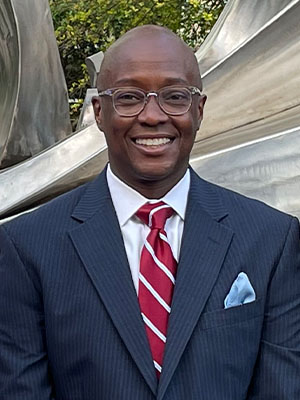
Marcel McCrea

Tylisa Crawford
Poor Visibility
Low visibility conditions, such as darkness, fog, rain, or snow, can make it difficult for drivers to see pedestrians, especially when they are wearing dark clothing or are not using reflective gear. These conditions reduce reaction times and increase the likelihood of accidents if both drivers and pedestrians are not taking extra precautions.
Pedestrian Negligence
While drivers bear a significant responsibility for pedestrian safety, pedestrians themselves can also contribute to accidents through negligence. Crossing outside of designated crosswalks, jaywalking, or failing to obey traffic signals can put pedestrians directly in harm’s way. Being mindful of traffic laws and using designated crossing points can greatly reduce the risk of accidents.
Lack of Infrastructure
In some cases, inadequate infrastructure can contribute to pedestrian accidents. Poorly designed or maintained crosswalks, inadequate lighting, and missing or broken traffic signals can create hazardous conditions for pedestrians. Advocating for improved infrastructure and urban planning can help mitigate these risks and create safer environments for pedestrians.
Understanding Legal Implications
When a pedestrian accident occurs, it often leads to complex legal issues regarding fault and compensation. In North Carolina, determining liability in such cases requires a thorough investigation into the circumstances surrounding the accident. Factors such as witness statements, traffic camera footage, and police reports play crucial roles in establishing who was at fault. Legal representation from a knowledgeable attorney can help navigate these complexities so that the rights of the injured pedestrian are protected.
I have worked and referred cases to Attorney Marcel McCrea in Charlotte, North Carolina, for a number of years. His zealous advocacy, keen attention to details, and client care are particularly noteworthy. He has been especially helpful in some complicated personal injury matters that I have referred to his firm. I highly recommend Marcel McCrea and ClearView Legal for anyone looking for excellent attorneys.” - Frantz Jacques ClearView Legal do great work. When I had my car accident they were very diligent in showing me the process. They took care of all the necessary paperwork and negotiation in my personal injury claim. They were both passionate and determined to get me my settlement. I am eternally grateful. Definitely 5 star lawyers in my book." - Osmund Marcellin I was recently injured in a car accident. I hired Attorney Marcel McCrea of ClearView Legal in Charlotte, NC to help me with my personal injury matter and to recover for my medical bills, lost wages, and pain and suffering. - S. Jackson
Before hiring the firm, I tried to negotiate with the insurance company on my own and got no where. Marcel McCrea did an excellent job and helped me to recover much more than I expected. Marcel and his staff exceeded my expectations and provided great customer service. I highly recommend the firm!"
Seeking Medical Attention
After a pedestrian accident, seeking prompt medical attention is paramount, even if injuries seem minor initially. Some injuries, such as concussions or internal bleeding, may not manifest symptoms immediately but can have serious long-term consequences if left untreated. Documenting injuries and obtaining medical records are not only crucial for personal health but also for any potential legal claims that may arise from the accident.
Insurance Considerations
Insurance coverage often plays a significant role in pedestrian accident cases. In North Carolina, drivers are required to carry liability insurance, which covers injuries and damages caused to others in an accident. Additionally, uninsured/underinsured motorist coverage can provide additional protection if the at-fault driver does not have adequate insurance. Understanding these insurance policies and their implications is essential for both pedestrians and drivers involved in accidents.
Importance of Legal Representation
Navigating the aftermath of a pedestrian accident can be overwhelming, especially when dealing with insurance companies and legal proceedings. Having experienced legal representation from a reputable firm like ClearView Legal can make a significant difference in the outcome of your case. Attorneys can negotiate with insurance companies on your behalf, gather evidence to support your claim, and advocate for fair compensation for your injuries and losses.
Statute of Limitations
In North Carolina, there is a statute of limitations that limits the amount of time you have to file a personal injury claim after a pedestrian accident. This timeframe is typically three years from the date of the accident, although there are exceptions depending on the circumstances. Failing to file within this timeframe can result in losing the right to seek compensation for your injuries, making it essential to consult with an attorney as soon as possible after an accident.
Choosing a Personal Injury Attorney Personal Injury Case Case TimelineRelated Videos
Emotional and Psychological Impact
Pedestrian accidents can have lasting emotional and psychological effects on victims and their families. Post-traumatic stress disorder (PTSD), anxiety, and depression are common among individuals who have experienced traumatic events such as being struck by a vehicle. Seeking support from mental health professionals and counselors can be crucial in addressing these issues and promoting recovery.
Advocating for Safety Measures
In addition to legal and insurance considerations, advocating for improved safety measures can help prevent future pedestrian accidents. Community initiatives, such as traffic calming measures, pedestrian-friendly infrastructure, and public awareness campaigns, play a vital role in promoting safer streets for everyone. By working together with local authorities and organizations, individuals can contribute to creating a safer environment for pedestrians in their communities.
Holding Responsible Parties Accountable
When negligence or recklessness leads to a pedestrian accident, holding responsible parties accountable is essential for justice and prevention. Through legal action, injured pedestrians can seek compensation for medical expenses, lost wages, pain and suffering, and other damages caused by the accident. Holding negligent drivers accountable also sends a message about the importance of safety and responsible driving behaviors.
Education and Awareness
Education and awareness are key components in preventing pedestrian accidents. Teaching children and adults alike about traffic safety rules, the importance of crosswalks, and the dangers of distracted driving can instill lifelong habits that contribute to safer roadways. Public awareness campaigns can also highlight the risks associated with pedestrian accidents and encourage drivers and pedestrians to prioritize safety at all times.
Collaborative Efforts for Safer Communities
Ultimately, preventing pedestrian accidents requires collaborative efforts from all members of the community. By working together—drivers, pedestrians, law enforcement, city planners, and legal professionals—we can implement effective strategies and policies that promote pedestrian safety. Whether through legislative changes, infrastructure improvements, or educational initiatives, every effort contributes to creating safer communities where pedestrians can travel with confidence.
Getting You the Justice You Deserve
Pedestrian accidents in North Carolina are a serious concern that requires attention from various perspectives — legal, medical, insurance-related, and community-oriented. By understanding the common causes of these accidents and taking proactive measures to prevent them, we can reduce the incidence of pedestrian injuries and fatalities on our roads.
If you or a loved one has been involved in a pedestrian accident, ClearView Legal stands ready to provide the legal support and guidance you need. Contact us today to schedule a consultation and learn more about how we can assist you during this challenging time. Together, we can strive towards safer streets and justice for those affected by pedestrian accidents across North Carolina.

 |
 |