
Social media posts can affect a North Carolina summer injury claim when an insurance company argues that a photograph, caption, video, check-in, comment, fitness update, or tagged post conflicts with your reported injuries. Even an ordinary photograph from a cookout, vacation, pool visit, concert, or family gathering can be presented without the context needed to understand your recovery.
Privacy settings may limit public access, but they do not make relevant content immune from investigation or discovery. Preserve existing content, avoid discussing the accident or your recovery online, and speak with a North Carolina personal injury attorney before deleting, editing, hiding, or posting anything that may relate to your claim.
One photograph may capture a few seconds. It does not show an entire day of pain, medication, assistance, limitations, or recovery.



Why Summer Social Media Posts Can Create Problems 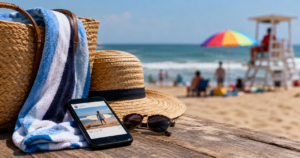
Summer in Charlotte often includes vacations, cookouts, pool visits, concerts, youth sports, road trips, festivals, and outdoor gatherings. These activities naturally lead to photographs, videos, location tags, and social media updates.
After an injury, even a harmless image from a family event may be taken out of context.
Suppose you attend a backyard cookout while recovering from a back injury. A friend posts a photograph taken during the few minutes you stood beside the grill. The image does not show that you spent most of the afternoon seated, left early because of pain, needed help getting home, or took prescribed medication afterward.
An insurance adjuster may still point to the image and argue that your physical limitations are less serious than your medical records indicate.
Attending a summer event does not automatically damage a personal injury claim. You may spend time with family, follow medical advice, and participate in activities that remain within your physical restrictions. The concern is that social media often presents one isolated moment without the medical and personal context needed to understand it.
How Insurance Companies May Use Social Media Content
Insurance companies and defense lawyers may review public social media accounts while investigating an injury claim. They may examine posts made before and after the accident, comments from friends, location tags, videos, photographs, fitness data, and content in which you have been tagged.
They may use social media content to question:
- How the accident occurred
- Whether you contributed to the accident
- The severity of your pain or physical limitations
- Whether you can work, drive, travel, exercise, or socialize
- Whether your emotional distress is as serious as reported
- Whether your account of the accident and recovery has remained consistent
- Whether you followed medical restrictions
- Whether another person has information about the accident
A post does not need to prove dishonesty to create difficulties. An insurer may use it to request more records, conduct additional investigation, delay its evaluation, challenge your credibility, or support a lower settlement offer.
Social media content may also affect witness testimony. A friend or relative who comments on your activity, condition, or accident may become part of the insurer’s investigation.
Attorney Paralegal
Marcel McCrea

Tylisa Crawford
A Post Does Not Need to Mention the Accident
Many people assume that social media use is safe as long as they do not write directly about the accident. A post may still affect a North Carolina injury case without mentioning the incident.
Examples include:
- A smiling vacation photograph used to question emotional distress
- A video showing movement that appears inconsistent with reported restrictions
- A check-in at a concert used to question pain or mobility limitations
- A fitness application update showing distance, speed, or physical activity
- A caption such as “feeling great” that an insurer interprets literally
- A friend’s comment about what happened before the accident
- A photograph showing damaged property after repairs were completed
- A public discussion about alcohol use, speeding, distraction, or fault
- A location tag used to establish where you were at a particular time
- A photograph posted by someone else even though you did not post it yourself
A single image rarely tells the full story of an injury. It may not show the pain experienced later, the assistance required, the medication taken, or the restrictions followed during the rest of the day. An insurer may still present that image without the surrounding facts.
Private Accounts Are Not Completely Private
Changing an account to private may reduce public access, but it does not guarantee that the content will remain confidential.
Friends or followers may take screenshots. Tagged content may appear through another person’s account. A person who already follows you may share information. Relevant electronically stored information may also become the subject of a request during litigation.
Direct messages, archived stories, group chats, location history, disappearing posts, fitness records, and account data may create records.
While an injury claim is pending:
- Review your privacy and tagging settings
- Avoid accepting requests from people you do not recognize
- Ask friends and relatives not to tag you in photographs or discuss your condition
- Do not respond to unsolicited messages about the accident
- Assume that anything shared online may be copied or viewed by someone outside your intended audience
Privacy settings remain useful, but they should not create a false sense of security.
Choosing a Personal Injury Attorney Personal Injury Case Case TimelineRelated Videos
Why Deleting Posts May Create a Separate Problem
You may feel tempted to delete a photograph or edit a caption after realizing that it could be misunderstood. That decision may create a separate dispute about the preservation of evidence.
Do not erase, alter, hide, or destroy potentially relevant social media content without legal guidance.
North Carolina ethics guidance recognizes that a lawyer may advise a client about removing social media content only when the removal complies with preservation and spoliation law. The safer practical step is to preserve the material and let your attorney determine how it should be handled.
Official guidance is available from the North Carolina State Bar:
Preserving a post does not mean that it will automatically become public or decide the outcome of your case. It means that the content remains available for legal review and can be addressed with the surrounding facts.
Speak with an attorney before deleting, editing, archiving, or changing access to content that may relate to your accident, injuries, activities, or damages.
Common Summer Injury Scenarios in Charlotte
Social media concerns may arise in many types of summer injury claims. The following examples show how online content may be interpreted without the full context.
Car and Rideshare Accidents
A person injured in a car or rideshare collision may later post a photograph from a summer road trip. An insurer might use the image to question neck pain, anxiety while riding in vehicles, or a reported inability to travel.
The photograph may not show that another person drove, frequent breaks were necessary, a medical provider approved the trip, or the injured person experienced increased pain afterward.
Charlotte collision claims may involve medical treatment, lost income, property damage, and insurance negotiations. Learn more here:
https://clearview.legal/charlotte-personal-injury-attorneys/
Pool and Property Injuries
A guest injured near a pool, patio, store entrance, restaurant, hotel, rental property, or other premises may post photographs before understanding the extent of the injury.
Captions and comments may reveal lighting, footwear, warning signs, property conditions, alcohol consumption, the location of witnesses, or when the photograph was taken. Those details may become relevant during a premises liability investigation.
Learn more about claims involving dangerous property conditions:
https://clearview.legal/charlotte-slip-and-fall-attorneys/
Pedestrian and Bicycle Accidents
Summer events and longer daylight hours may place more pedestrians and cyclists near busy Charlotte roads.
A cyclist’s route map, speed data, helmet photograph, video, or comment about traffic may become part of a fault investigation. A pedestrian’s location tag or post about an event may also be used to establish timing or movement before a collision.
Related information is available here:
https://clearview.legal/charlotte-pedestrian-accident-attorneys/
https://clearview.legal/charlotte-bicycle-accident-attorneys/
Dog Bite Incidents
Social media photographs and comments may identify where a dog was located, whether the dog was restrained, what happened before the bite, and who witnessed the incident.
A casual comment about playing with a dog may be interpreted differently by an insurer when it is separated from the full circumstances.
Learn more about North Carolina dog bite claims:
https://clearview.legal/charlotte-dog-bite-attorneys/
Practical Social Media Rules During an Injury Claim
Stopping all social media activity may not always be necessary, but careful restraint can help protect the accuracy of your claim.
Follow these practical guidelines:
- Do not post about the accident, the responsible party, the insurer, settlement discussions, or legal strategy.
- Avoid photographs or videos that may be misunderstood without context.
- Ask friends and relatives not to tag you or discuss your condition online.
- Review privacy and tagging settings without deleting existing material.
- Do not accept unknown followers or respond to unsolicited questions.
- Preserve messages, photographs, posts, videos, and account data related to the incident.
- Tell your attorney about any content that concerns you.
- Keep medical updates between you, your healthcare providers, and your legal team.
- Avoid public arguments with witnesses, drivers, property owners, insurers, or other involved parties.
- Do not post documents, medical records, settlement communications, or photographs sent by your attorney.
Describe your symptoms accurately to medical providers, insurers, and your attorney. Do not exaggerate or minimize your condition. Consistency among your medical records, testimony, employment information, and daily activities can help prevent avoidable disputes.
What Should You Do If You Already Posted Something?
Do not panic. A post that looks unfavorable does not automatically end a personal injury case.
Context may explain when a photograph was taken, how long an activity lasted, what assistance was required, whether the activity was within medical restrictions, or how you felt afterward.
Take these steps:
- Do not delete or edit the post.
- Save a copy and record when it was created.
- Write down the surrounding facts while they remain fresh.
- Tell your attorney about the post promptly.
- Do not argue about the content online.
- Identify anyone who can explain what happened before, during, or after the photograph or video.
- Preserve related messages and comments.
Prompt disclosure gives your attorney time to prepare for questions and place the content beside medical evidence, witness statements, and the full recovery timeline. Trying to hide a post may create a larger problem than explaining it honestly.
How an Attorney Can Help Protect Your Case
A personal injury attorney can identify social media risks early, help preserve relevant content, respond to information requests, and challenge misleading uses of isolated posts.
An attorney may gather evidence that provides a more accurate picture of your injuries and recovery, including:
- Medical records
- Diagnostic test results
- Physician restrictions
- Employment and wage-loss records
- Witness statements
- Photographs of injuries or accident conditions
- Testimony about changes in daily activities
- Evidence of future medical needs
- Records showing the duration and limits of an activity
- Statements from people who assisted you during recovery
ClearView Legal helps injured people in Charlotte and nearby North Carolina communities understand how insurers may evaluate evidence. Attorney Marcel McCrea can explain how online activity may affect your claim and what steps may help protect the record.
The purpose is not to frighten you away from ordinary life. It is to reduce the risk that a brief online moment will be used to present an inaccurate picture of your recovery.
Discuss Your North Carolina Injury Claim With an Attorney
A summer accident can affect your health, work, finances, and family plans. Before posting about the accident or deleting content that concerns you, speak with a personal injury attorney about your circumstances.
ClearView Legal offers a free consultation. The firm serves injured people in Charlotte, North Carolina, and nearby communities. Attorney Marcel McCrea can review the circumstances, explain practical options, and help you make informed decisions.
Call (980) 300-6223 or request a consultation:
https://clearview.legal/contact-us/
This article is for informational purposes only and is not legal advice. Consult an attorney about your specific situation.

 |
 |