
Pedestrian accidents during public events like spring festivals or parades in Charlotte can lead to serious injuries and long-term consequences. ClearView Legal frequently assists residents who have been struck by vehicles in these circumstances, helping them navigate the complexities of North Carolina personal injury law. When attending crowded events, pedestrians are entitled to certain safety protections under state law. Drivers, including those operating vehicles near parade routes or festival areas, are legally required to exercise reasonable care. In some instances, liability may extend beyond the driver to include event organizers or local authorities if unsafe conditions contributed to the accident. Understanding the scope of these rights and how liability is established is critical to ensuring that injured pedestrians can pursue compensation effectively.

Common Causes of Pedestrian Accidents at Festivals and Parades 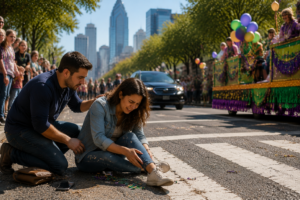
Public events inherently involve large gatherings of people, temporary road closures, and increased vehicle traffic, all of which create unique risks for pedestrians. Common causes of accidents in these settings include:
- Drivers failing to yield the right-of-way at crosswalks or designated pedestrian zones.
- Distractions from mobile devices, GPS navigation, or other inattentive behaviors.
- Insufficient or improperly maintained traffic control measures, such as barricades, cones, or signage.
- Sudden movements by pedestrians in crowded areas, increasing the likelihood of collisions.
- Poorly planned or overcrowded festival routes, which can create hazardous conditions for both drivers and pedestrians.
Even a momentary lapse in judgment by a driver or inadequate safety measures by organizers can result in serious injuries, including fractures, head trauma, or long-term mobility issues. Awareness of these risks and documenting the circumstances of an accident are essential first steps for anyone who has been struck.
Proving Negligence Under North Carolina Law
North Carolina applies a contributory negligence standard, which means that if the pedestrian is found even partially at fault, they may be barred from recovering damages. To establish liability, the following elements must be proven:
- Duty – The driver or responsible party owed a duty of care to the pedestrian.
- Breach – The duty was breached through negligence, recklessness, or failure to adhere to traffic regulations.
- Causation – The breach directly caused the pedestrian’s injuries.
- Damages – The pedestrian sustained measurable harm, such as medical expenses, lost income, property damage, or pain and suffering.
Gathering evidence is critical to building a strong case. Photographs, witness statements, medical records, and police reports are invaluable in demonstrating how the accident occurred and who may be liable. Evidence should document both the immediate circumstances of the collision and any pre-existing factors that may have contributed, such as poor lighting, faded crosswalk markings, or malfunctioning traffic signals.
Attorney Paralegal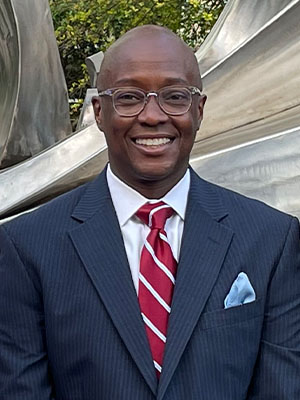
Marcel McCrea
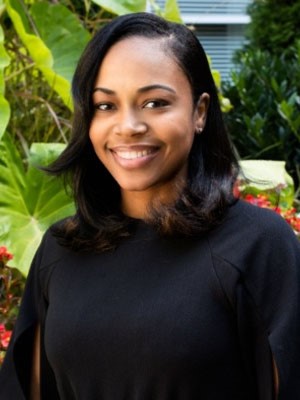
Tylisa Crawford
The Role of Event Organizers and Municipal Authorities
Liability is not always limited to the driver of a vehicle. In certain situations, festival organizers, parade sponsors, or municipal authorities may share responsibility. Examples include:
- Failure to establish adequate crowd control measures or secure temporary barriers.
- Insufficient signage warning of road closures or pedestrian routes.
- Negligent planning that ignored pedestrian safety, such as placing large floats too close to walkways.
When multiple parties share responsibility, legal claims may involve complex investigations to determine how each contributed to the accident. An experienced Charlotte personal injury team can help identify all potentially liable parties and ensure that each is held accountable for their role in causing harm.
Steps to Take Immediately After an Accident
Pedestrians injured at a public event should take the following steps to protect their rights and strengthen any potential claims:
- Seek medical care immediately, even if injuries appear minor. Some injuries may not be immediately apparent but can have lasting consequences.
- Document the scene with photographs or videos, capturing vehicle positions, road conditions, signage, and the surrounding environment.
- Collect contact information from eyewitnesses, festival staff, or security personnel who observed the accident.
- Report the incident to local law enforcement. A police or incident report can provide an official account of the accident.
- Avoid admitting fault to any party at the scene. Statements suggesting responsibility can affect future claims, even if they are inaccurate or misunderstood.
Prompt and thorough documentation, combined with professional legal guidance, can make a significant difference in the outcome of a liability claim.
I have worked and referred cases to Attorney Marcel McCrea in Charlotte, North Carolina, for a number of years. His zealous advocacy, keen attention to details, and client care are particularly noteworthy. He has been especially helpful in some complicated personal injury matters that I have referred to his firm. I highly recommend Marcel McCrea and ClearView Legal for anyone looking for excellent attorneys.” - Frantz Jacques ClearView Legal do great work. When I had my car accident they were very diligent in showing me the process. They took care of all the necessary paperwork and negotiation in my personal injury claim. They were both passionate and determined to get me my settlement. I am eternally grateful. Definitely 5 star lawyers in my book." - Osmund Marcellin I was recently injured in a car accident. I hired Attorney Marcel McCrea of ClearView Legal in Charlotte, NC to help me with my personal injury matter and to recover for my medical bills, lost wages, and pain and suffering. - S. Jackson
Before hiring the firm, I tried to negotiate with the insurance company on my own and got no where. Marcel McCrea did an excellent job and helped me to recover much more than I expected. Marcel and his staff exceeded my expectations and provided great customer service. I highly recommend the firm!"
Medical Documentation and Evidence Collection
Accurate medical documentation is central to proving damages in North Carolina. Records should include initial emergency care, diagnostic tests, treatment plans, ongoing therapy, and any prescribed medications. Photographs of visible injuries, such as bruises, cuts, or swelling, further substantiate the physical harm suffered. Medical experts may also be consulted to evaluate long-term impacts, rehabilitation needs, and any resulting limitations in mobility or daily functioning.
In addition to medical evidence, other forms of proof can strengthen claims:
- Eyewitness testimony confirming how the accident occurred and who was at fault.
- Surveillance footage from nearby cameras, including festival or municipal security systems.
- Records from event organizers regarding safety protocols, crowd control measures, or communications with participants.
All of this evidence must be preserved carefully to avoid challenges from insurance companies or opposing parties.
Calculating Damages for Pedestrian Accidents
Damages in pedestrian accidents encompass both economic and non-economic losses. Economic damages typically include:
- Medical expenses incurred and expected future costs for treatment.
- Lost income or diminished earning capacity due to injury-related limitations.
- Costs for rehabilitation, assistive devices, or home modifications.
Non-economic damages may involve:
- Pain and suffering endured as a result of the injury.
- Emotional distress, anxiety, or reduced quality of life.
- Loss of enjoyment of hobbies or activities previously engaged in prior to the accident.
A skilled attorney can evaluate these factors comprehensively and work to ensure that victims receive compensation reflecting both immediate and long-term impacts.
Filing a Claim and Statute of Limitations
In North Carolina, personal injury claims generally must be filed within three years from the date of the accident. Adhering to this statute of limitations is critical; missing the deadline can bar recovery entirely. Legal counsel can assist in preparing a claim, identifying all liable parties, and submitting necessary documentation within the required timeframe. Prompt action also helps preserve evidence that could be lost over time, such as photographs, witness memories, or event records.
Case Scenarios and Legal Precedents
Real-life examples illustrate how liability is determined in these cases. For instance, a pedestrian struck while crossing a street during a parade recovered damages when the driver failed to stop despite clear barricades and posted signage. In another case, a festival attendee tripped over an unsecured barrier and sustained injuries; liability was assigned to the event organizer for failing to maintain a safe walkway. Each case highlights the importance of proving both negligence and the link between the unsafe condition or driver behavior and the resulting injury.
Preventing Accidents During Public Events
While pedestrians cannot control driver behavior, certain precautions can reduce risk:
- Use designated crosswalks and follow traffic signals.
- Stay within areas monitored by event staff or barricades.
- Avoid distractions, such as mobile phones, when navigating crowded zones.
- Be aware of surrounding vehicles, floats, and moving equipment.
Remaining vigilant can help prevent accidents and minimize injury, though no precaution guarantees complete safety.
The Value of Experienced Legal Representation
ClearView Legal provides expertise in navigating the complex process of proving liability in pedestrian accidents. An attorney can:
- Investigate accident circumstances and gather supporting evidence.
- Identify all potentially responsible parties, including drivers, organizers, or municipalities.
- Assess damages comprehensively to include both economic and non-economic losses.
- Negotiate with insurance providers or represent clients in litigation if needed.
Legal guidance ensures that victims are informed of their rights and that claims are pursued effectively to maximize potential recovery.
Pedestrian accidents at festivals and parades in Charlotte present unique legal and logistical challenges. Proving liability under North Carolina law requires careful documentation, thorough investigation, and an understanding of the responsibilities of drivers and event organizers. Victims must act promptly to secure evidence, seek medical care, and consult experienced legal counsel. ClearView Legal’s team can help navigate the complexities of these cases, ensuring that injured pedestrians receive the compensation they deserve for medical bills, lost income, and long-term consequences.
To learn more about this subject click here: Who Is Liable for Pedestrian Accidents as Spring Events Return in Charlotte?

 |
 |