
Veterans in North Carolina who have received a less than honorable discharge face unique challenges when seeking VA disability benefits. ClearView Legal has helped many veterans navigate the complex landscape of VA eligibility, discharge upgrades, and benefit claims. The type of discharge a veteran receives can influence not only access to disability compensation but also eligibility for healthcare services, educational benefits, and certain employment programs. Understanding how different discharge classifications affect eligibility, and the available paths for appeal or upgrade, is essential for veterans seeking to secure the benefits they earned through their service. A discharge that is not fully honorable does not always permanently block access to benefits, but careful navigation of the VA system and proper legal representation are often necessary to achieve a favorable outcome.


Types of Military Discharges and Their Consequences 
The military classifies discharges into four primary categories: honorable, general under honorable conditions, other than honorable (OTH), and dishonorable. A less than honorable discharge typically refers to an OTH or dishonorable discharge and can result from misconduct, disciplinary actions, or administrative errors. The implications of these discharges are far-reaching. While an honorable discharge generally grants full access to VA disability benefits and educational programs like the GI Bill, a less than honorable discharge can limit these benefits and make eligibility contingent on additional review. Understanding the distinctions between discharge types is critical for assessing benefit potential and identifying avenues to challenge or upgrade the discharge. Veterans with an OTH discharge may still qualify for certain benefits, particularly if the discharge was influenced by service-related medical or psychological conditions.
How a Less Than Honorable Discharge Can Affect VA Disability Compensation
The Department of Veterans Affairs requires a discharge under honorable conditions to establish eligibility for most disability benefits. Veterans with a less than honorable discharge often face stricter scrutiny and may have claims initially denied. The VA will consider whether misconduct was willful or resulted from circumstances outside the veteran’s control, such as mental health issues or post-traumatic stress disorder related to service. Establishing eligibility requires careful documentation, including service records, medical evaluations, and personal statements demonstrating the veteran’s conduct was not solely a matter of personal choice or negligence. Without such evidence, the VA may deny claims, making it imperative for veterans to seek guidance and legal support when pursuing benefits.
Attorney Paralegal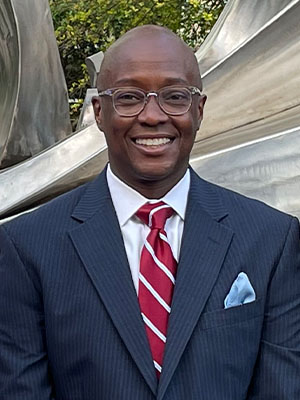
Marcel McCrea

Tylisa Crawford
Options for Discharge Upgrades in North Carolina
One potential path to restoring eligibility for benefits is applying for a discharge upgrade through the Board for Correction of Military Records (BCMR). This process involves submitting detailed evidence, including service records, character references, and medical documentation. Veterans must demonstrate that the discharge was either erroneous, unjust, or unduly harsh. Legal assistance is often critical in this process, as applications require precise documentation and adherence to strict deadlines. A successful upgrade can transform a less than honorable discharge into one under honorable conditions, opening access to VA disability compensation, educational benefits, and healthcare programs. ClearView Legal has extensive experience assisting North Carolina veterans in preparing these applications and presenting persuasive cases to the BCMR.
Eligibility Despite a Less Than Honorable Discharge
While a less than honorable discharge presents obstacles, some veterans may still qualify for disability benefits if they can demonstrate that the misconduct was not entirely willful or that it resulted from service-related circumstances. For example, a veteran whose OTH discharge was influenced by untreated PTSD may submit medical records linking their condition to military service. The VA will consider the circumstances surrounding the discharge and whether mitigating factors, such as mental health issues or medical conditions, played a role. Presenting compelling evidence in support of a claim often requires collaboration with medical professionals and attorneys who specialize in VA disability law.
I have worked and referred cases to Attorney Marcel McCrea in Charlotte, North Carolina, for a number of years. His zealous advocacy, keen attention to details, and client care are particularly noteworthy. He has been especially helpful in some complicated personal injury matters that I have referred to his firm. I highly recommend Marcel McCrea and ClearView Legal for anyone looking for excellent attorneys.” - Frantz Jacques ClearView Legal do great work. When I had my car accident they were very diligent in showing me the process. They took care of all the necessary paperwork and negotiation in my personal injury claim. They were both passionate and determined to get me my settlement. I am eternally grateful. Definitely 5 star lawyers in my book." - Osmund Marcellin I was recently injured in a car accident. I hired Attorney Marcel McCrea of ClearView Legal in Charlotte, NC to help me with my personal injury matter and to recover for my medical bills, lost wages, and pain and suffering. - S. Jackson
Before hiring the firm, I tried to negotiate with the insurance company on my own and got no where. Marcel McCrea did an excellent job and helped me to recover much more than I expected. Marcel and his staff exceeded my expectations and provided great customer service. I highly recommend the firm!"
The Role of Legal Guidance in Navigating VA Disability Claims
Navigating the VA system is complex, especially for veterans with less than honorable discharges. A knowledgeable attorney in Charlotte can help veterans compile necessary records, prepare appeals, and advocate on their behalf. ClearView Legal provides assistance in gathering documentation, filing claims, and representing veterans in hearings, ensuring the strongest possible case is presented. Legal representation increases the likelihood of successfully obtaining benefits, particularly when a veteran’s discharge status complicates eligibility. Attorneys also guide veterans through the appeals process if a claim is initially denied, often making the difference between receiving benefits and facing prolonged uncertainty.
Practical Steps for North Carolina Veterans
Veterans seeking VA disability benefits should take the following steps to strengthen their applications:
- Obtain a complete copy of military service records to confirm the type and conditions of discharge.
- Identify potential mitigating factors, such as service-related medical or mental health conditions.
- Collect supporting documentation, including medical evaluations, letters from healthcare providers, and character references.
- Consult an experienced VA disability attorney to assess eligibility and develop a strategy.
- Apply for a discharge upgrade if eligible, providing all necessary supporting evidence.
- Prepare to appeal any initial VA denials with detailed documentation and legal advocacy.
These steps help ensure that veterans present a complete and compelling case to the VA, improving their chances of receiving disability compensation.
Real-World Scenarios and Examples
Consider a veteran discharged under other than honorable conditions due to a minor disciplinary infraction. By demonstrating that the misconduct was related to untreated PTSD, the veteran may qualify for a discharge upgrade and restore access to VA disability benefits. Another scenario involves a veteran whose OTH discharge was a result of administrative error or miscommunication. Through legal support, the veteran can appeal for a review and upgrade, potentially restoring full eligibility. These examples illustrate how careful preparation, evidence collection, and legal guidance can significantly improve outcomes for veterans facing challenges due to their discharge status.
Resources Available for North Carolina Veterans
Veterans in North Carolina can access a variety of resources to assist with VA claims and discharge reviews. VA regional offices, local veteran service organizations, and legal aid programs can provide guidance and support. ClearView Legal offers free consultations for veterans to discuss eligibility, benefits claims, and discharge upgrades. Online resources, including the military discharge upgrade page and the Charlotte VA disability lawyers page, provide detailed guidance and help veterans understand the process for securing benefits.
A less than honorable discharge does not necessarily block access to VA disability benefits. Through discharge upgrades, appeals, and legal advocacy, North Carolina veterans can restore eligibility and secure benefits earned through their service. ClearView Legal continues to provide guidance and representation, assisting veterans across Charlotte and surrounding areas in navigating complex VA procedures and ensuring they receive the support they deserve. Proper preparation, thorough documentation, and professional legal support are essential to overcoming the challenges posed by a less than honorable discharge.
Disclaimer: This content is for informational purposes only and is not legal advice. Consult an attorney regarding your specific situation.
To learn more about this subject click here: Can a Discharge Upgrade Help You Qualify for VA Benefits? What Charlotte Veterans Need to Know

 |
 |