
Pedestrian accidents near Charlotte summer events and concerts often come down to who had the right of way, whether drivers followed traffic laws, and whether event organizers or property owners created unsafe conditions. Liability may involve a driver, rideshare operator, parking lot owner, event venue, security company, or even a public entity depending on where and how the crash happened. North Carolina’s contributory negligence rule can make these cases especially challenging because insurers often argue that the injured pedestrian shares blame. Strong evidence, prompt medical care, and a clear investigation can make a major difference in protecting an injury claim.

Why Summer Events Create Pedestrian Accident Risks in Charlotte 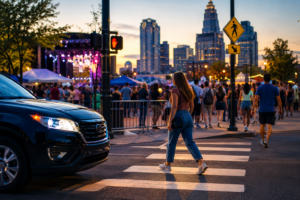
Charlotte’s summer calendar brings more foot traffic around concerts, festivals, brewery events, sporting events, outdoor markets, and Uptown nightlife. Areas near venues, parking lots, rideshare pickup zones, and busy intersections can become crowded in a short time. Drivers may be looking for parking, checking navigation, turning through crosswalks, or watching traffic officers instead of pedestrians.
Pedestrian accidents near Charlotte events often happen in places where walking and driving paths overlap, such as:
- Parking deck exits and surface lots
- Crosswalks near event venues
- Rideshare pickup and drop-off areas
- Intersections near restaurants, bars, and breweries
- Temporary pedestrian routes around closed streets
- Dark or poorly marked areas after evening concerts
These cases are rarely as simple as “a car hit a pedestrian.” A careful liability review looks at traffic signals, crosswalk placement, lighting, signage, crowd control, driver conduct, and whether the pedestrian had a safe route available.
How Liability Is Determined After a Charlotte Pedestrian Accident
Liability usually depends on negligence. In plain language, negligence means someone failed to use reasonable care and caused harm. In a pedestrian accident claim, the investigation often asks four main questions:
- Did someone owe the pedestrian a duty of care?
- Did that person or company violate that duty?
- Did the violation cause the accident?
- What injuries and losses resulted?
A driver has a duty to watch for pedestrians, obey traffic signals, yield when required, slow down when conditions demand it, and avoid distractions. A property owner or event operator may have a duty to keep walkways, entrances, exits, and parking areas reasonably safe. A government entity may be responsible for certain traffic control or public roadway issues, though claims against public entities can involve special notice requirements and deadlines.
For broader injury claim guidance, readers can review the firm’s North Carolina personal injury resources at https://clearview.legal/personal-injury-lawyers-in-north-carolina/.
Attorney Paralegal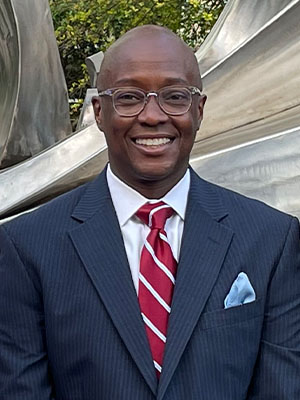
Marcel McCrea
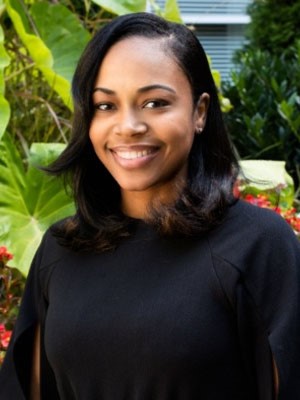
Tylisa Crawford
Driver Liability Near Concerts, Festivals, and Outdoor Events
Many pedestrian injury claims begin with driver negligence. Near a summer event, a driver may be liable if they:
- Failed to yield at a marked or unmarked crosswalk
- Turned right or left without checking for pedestrians
- Drove too fast for crowded conditions
- Looked at a phone, map app, or rideshare app
- Backed out of a parking space without checking mirrors and blind spots
- Ignored traffic cones, signs, officers, or temporary event directions
- Drove while impaired by alcohol, drugs, or fatigue
North Carolina law gives pedestrians protections at crosswalks, but pedestrians also must follow traffic signals and use reasonable care. That balance matters because insurers may argue the pedestrian stepped out suddenly, crossed outside a crosswalk, or was distracted.
When a pedestrian is hit by a passenger vehicle near a concert or event, the injured person may have a claim against the at-fault driver’s auto insurance. If the driver lacks enough coverage, uninsured or underinsured motorist coverage may become part of the analysis. When the crash involves a rideshare vehicle, delivery driver, shuttle, commercial van, or event transportation service, additional insurance layers may apply.
ClearView Legal also provides related information for people injured in vehicle crashes at https://clearview.legal/charlotte-car-accident-lawyers/.
Can an Event Organizer or Venue Be Liable?
Sometimes the driver is not the only party worth reviewing. Event organizers and venues may create or contribute to pedestrian hazards when crowd movement is foreseeable. For example, if thousands of attendees are leaving a concert at once, organizers may need reasonable plans for pedestrian flow, traffic control, lighting, barriers, signage, and rideshare coordination.
A venue or event organizer may be investigated when:
- Pedestrians were directed into active traffic without adequate control
- Temporary fencing forced people into unsafe crossing areas
- Poor lighting made pedestrians difficult to see
- Parking staff gave confusing or unsafe directions
- Rideshare pickup areas were placed in risky locations
- Security failed to manage predictable crowd movement
- A known hazard was ignored after prior complaints or near misses
These claims can involve premises liability principles. The key question is whether the hazard was foreseeable and whether reasonable steps could have reduced the risk. A single crowded sidewalk may not prove negligence by itself. A documented pattern of unsafe exits, poor lighting, blocked walkways, or confusing traffic flow may support a stronger claim.
I have worked and referred cases to Attorney Marcel McCrea in Charlotte, North Carolina, for a number of years. His zealous advocacy, keen attention to details, and client care are particularly noteworthy. He has been especially helpful in some complicated personal injury matters that I have referred to his firm. I highly recommend Marcel McCrea and ClearView Legal for anyone looking for excellent attorneys.” - Frantz Jacques ClearView Legal do great work. When I had my car accident they were very diligent in showing me the process. They took care of all the necessary paperwork and negotiation in my personal injury claim. They were both passionate and determined to get me my settlement. I am eternally grateful. Definitely 5 star lawyers in my book." - Osmund Marcellin I was recently injured in a car accident. I hired Attorney Marcel McCrea of ClearView Legal in Charlotte, NC to help me with my personal injury matter and to recover for my medical bills, lost wages, and pain and suffering. - S. Jackson
Before hiring the firm, I tried to negotiate with the insurance company on my own and got no where. Marcel McCrea did an excellent job and helped me to recover much more than I expected. Marcel and his staff exceeded my expectations and provided great customer service. I highly recommend the firm!"
Parking Lots, Parking Decks, and Rideshare Zones
Parking areas are common sites for pedestrian injuries after Charlotte summer events. Drivers may be backing up, turning across walking paths, waiting in pickup lines, or trying to exit quickly. Pedestrians may be walking between parked vehicles, crossing drive lanes, or moving through dim areas after dark.
Liability in a parking lot accident may involve:
- A negligent driver
- A parking lot owner or operator
- A venue or event manager
- A security company directing traffic
- A rideshare or shuttle company
- A maintenance contractor responsible for lighting or markings
For example, a driver who accelerates through a crowded parking lot may be liable for failing to drive safely. A parking operator may also be reviewed if lighting was broken, pedestrian paths were not marked, or attendants directed people into vehicle lanes. Each case depends on evidence, contracts, control of the property, and what each party knew or should have known before the crash.
The Role of North Carolina’s Contributory Negligence Rule
North Carolina follows a strict contributory negligence rule. In many personal injury cases, an injured person can be barred from recovery if they are found to have contributed to the accident. This rule is one reason pedestrian accident cases in Charlotte must be handled carefully.
Insurers may look for facts they can use against the pedestrian, such as:
- Crossing outside a crosswalk
- Ignoring a pedestrian signal
- Walking while distracted by a phone
- Stepping between parked vehicles
- Wearing dark clothing at night
- Being impaired
- Failing to keep a proper lookout
These arguments do not always tell the full story. A driver may still have had enough time to stop. A crosswalk may have been poorly marked. Lighting may have been inadequate. Event staff may have directed pedestrians toward a risky area. Surveillance footage, witness statements, traffic signal timing, and scene photos can help show what truly happened.
What Evidence Helps Prove Liability?
Evidence can disappear quickly after a summer event. Temporary signs and barriers may be removed. Security footage may be overwritten. Rideshare records may become harder to obtain. Witnesses may leave the area and become difficult to identify.
Useful evidence may include:
- Photos of the crash scene, lighting, vehicle position, crosswalks, and signage
- Police reports and crash report details
- Surveillance video from venues, parking decks, restaurants, and nearby businesses
- Dashcam footage or rideshare app records
- Witness names and contact information
- Medical records that connect the injuries to the crash
- Event maps, traffic plans, and parking instructions
- 911 calls and incident reports
- Vehicle damage photos
- Phone records if distraction is an issue
A lawyer may also review whether a traffic reconstruction expert, lighting expert, or premises safety expert is needed. In more serious cases, these details can help identify every party that may share responsibility.
Common Injuries After Pedestrian Accidents Near Events
Pedestrians have little protection when hit by a vehicle, even at low speeds. Summer event crashes may involve SUVs, rideshare vehicles, shuttle vans, golf carts, scooters, bicycles, or delivery vehicles.
Common injuries include fractures, head injuries, spinal injuries, torn ligaments, internal injuries, deep bruising, road rash, and shoulder or knee trauma. Some symptoms appear right away. Others become worse over the next several days. Seeking medical care protects both health and documentation. It also gives medical providers a chance to identify injuries that may not be obvious at the scene.
Damages in a pedestrian accident claim may include emergency treatment, hospital bills, follow-up care, physical therapy, lost wages, reduced earning ability, pain, emotional distress, and out-of-pocket costs. Severe injuries may also require future medical care or long-term support.
What To Do After a Pedestrian Accident Near a Charlotte Event
After a pedestrian accident, safety and medical care come first. Call 911, request medical help, and report the crash. If the injured person can do so safely, they should try to preserve basic evidence before the event area changes.
Helpful steps include:
- Take photos of the vehicle, crosswalk, signs, traffic signals, lighting, and nearby businesses
- Get the driver’s name, insurance information, and license plate
- Ask witnesses for names and phone numbers
- Note the exact event, venue, parking lot, or rideshare area
- Save event tickets, rideshare receipts, parking receipts, and text messages
- Avoid giving recorded statements to insurers before getting legal guidance
- Follow all medical instructions and keep every appointment
The firm’s pedestrian accident video resources may also help injured people understand common legal issues after a crash: https://clearview.legal/video-library/pedestrian-accident-videos/.
How a Charlotte Pedestrian Accident Attorney Can Help
A pedestrian accident attorney can investigate liability, identify insurance coverage, preserve video evidence, communicate with insurers, and evaluate the full value of the claim. This is especially useful when an insurer tries to blame the pedestrian or downplay the seriousness of the injuries.
An attorney may also review whether multiple parties share responsibility. For example, a case could involve a distracted driver, unsafe rideshare pickup design, poor parking lot lighting, and confusing event traffic control. Identifying every responsible party matters because serious injuries can exceed one insurance policy.
ClearView Legal helps injured people in Charlotte and Mecklenburg County understand their options after pedestrian and vehicle-related accidents. The firm offers a free consultation, and readers can reach the office through https://clearview.legal/contact-us/.
When Bicycles, Scooters, and Mixed Traffic Are Involved
Summer events often bring more than cars and pedestrians. People may arrive by bicycle, scooter, rideshare, golf cart shuttle, or public transportation. Mixed traffic can complicate liability because different rules and insurance issues may apply.
For example, a pedestrian may be struck by a bicycle near a greenway entrance or by a scooter near an event gate. A driver may swerve around a scooter and hit a pedestrian. A rideshare driver may stop in a travel lane because the designated pickup area is overwhelmed. The investigation should consider each participant’s actions, available paths, lighting, signage, and whether the event setup increased the risk.
Cyclists and injured pedestrians may also find related resources at https://clearview.legal/charlotte-bicycle-accident-attorneys/.
How Long Do You Have to File a Claim?
North Carolina generally gives injured people three years to file many personal injury lawsuits. Some claims may have shorter notice rules, especially when a government entity may be involved. Waiting can make the claim harder because video may be deleted, witnesses may forget details, and temporary event setups may be removed.
A prompt legal review can help preserve evidence before it disappears. It can also help injured pedestrians avoid common insurance mistakes, such as signing broad medical authorizations, accepting a quick settlement before treatment is complete, or making statements that may be used to argue contributory negligence.
Speak With a Charlotte Pedestrian Accident Lawyer After a Summer Event Injury
A walk to a concert, festival, or summer event should not end with medical bills, missed work, and unanswered questions. If you were injured near a Charlotte event, ClearView Legal can review what happened, explain the legal issues, and help you decide the next step. To learn more about the firm’s injury services, visit https://clearview.legal/practice-areas/ or contact the office for a free consultation.
This article is for informational purposes only and is not legal advice. Consult an attorney about your specific situation.

 |
 |