
As spring returns to Charlotte, the city experiences an increase in pedestrian traffic due to warmer weather, outdoor events, and festivals. ClearView Legal frequently sees cases where pedestrians are injured during this season, often because of driver negligence, unsafe crossings, or insufficient visibility. Liability can involve multiple parties, including drivers, pedestrians, and even municipalities. Knowing the legal framework, what steps to take immediately after an accident, and how fault is determined can make a significant difference in recovering damages. This guide provides a detailed look at pedestrian accident causes, liability rules under North Carolina law, and strategies to protect your rights if you or a loved one is injured.

Common Causes of Pedestrian Accidents in Charlotte 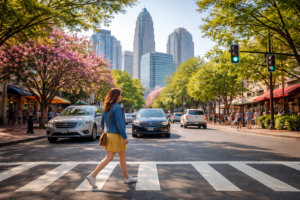
Spring brings a combination of favorable weather and increased outdoor activities, but this also leads to higher risks for pedestrian accidents. Drivers may be distracted by mobile devices, events, or increased congestion near parks and entertainment venues. Speeding, running stop signs, and failure to yield are frequent contributing factors. Pedestrians may also contribute by crossing outside marked crosswalks, ignoring traffic signals, or walking while distracted. Other environmental factors, such as uneven pavement, poorly marked crosswalks, or temporary event signage, can further exacerbate the risk. Injuries can range from minor scrapes to severe trauma, depending on speed, vehicle size, and the pedestrian’s positioning. ClearView Legal emphasizes that identifying these factors early in an investigation is crucial to establishing liability and pursuing compensation.
North Carolina’s Laws on Pedestrian Responsibility and Driver Duty
In Charlotte, both drivers and pedestrians have legal obligations designed to protect public safety. Drivers are required to exercise due care for pedestrians, particularly at marked crosswalks, school zones, and intersections. This includes stopping for pedestrians in the roadway and avoiding distractions that could impair reaction time. Pedestrians are also expected to obey traffic signals, use crosswalks when available, and remain aware of oncoming traffic. North Carolina law recognizes that negligence can be shared; if a pedestrian contributes to the accident through unsafe behavior, compensation may be reduced according to comparative negligence principles. Determining fault often involves a detailed review of traffic citations, eyewitness statements, and environmental conditions at the time of the accident.
Attorney Paralegal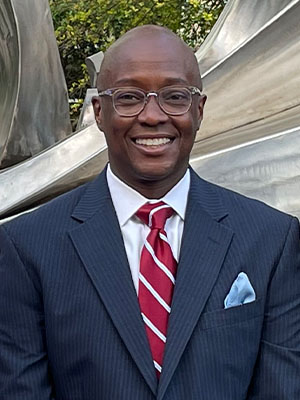
Marcel McCrea
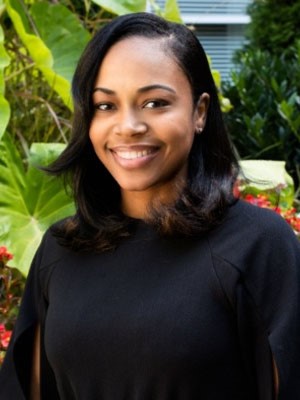
Tylisa Crawford
Determining Liability in Pedestrian Accidents
Liability is often the most complex aspect of pedestrian cases. Even if a driver clearly violated a traffic law, other factors such as pedestrian behavior, visibility, and street design can influence the outcome. Common indicators used to assess fault include:
- Police reports documenting citations and traffic violations
- Witness statements and bystander accounts
- Photographs of the scene, including vehicle positions and crosswalk markings
- Dashcam or surveillance footage capturing the moments leading to the incident
- Medical records detailing injuries and treatment timelines
Shared liability is a critical concept. North Carolina’s comparative negligence law allows a jury or insurance adjuster to assign a percentage of fault to each party. For instance, if a driver ran a red light but the pedestrian was texting while crossing, both may bear some responsibility. Understanding these percentages early can inform settlement strategies and litigation decisions.
Immediate Steps After a Pedestrian Accident
Immediate actions following an accident can protect legal rights and support insurance claims. ClearView Legal recommends:
- Calling 911 and requesting a police report
- Seeking medical attention even for seemingly minor injuries
- Documenting the scene with photographs, including road conditions, signage, and vehicle damage
- Collecting contact information from witnesses and involved parties
- Refraining from providing recorded statements to insurance companies until legal counsel is consulted
Prompt and organized action is critical for preserving evidence, establishing fault, and maximizing potential recovery.
I have worked and referred cases to Attorney Marcel McCrea in Charlotte, North Carolina, for a number of years. His zealous advocacy, keen attention to details, and client care are particularly noteworthy. He has been especially helpful in some complicated personal injury matters that I have referred to his firm. I highly recommend Marcel McCrea and ClearView Legal for anyone looking for excellent attorneys.” - Frantz Jacques ClearView Legal do great work. When I had my car accident they were very diligent in showing me the process. They took care of all the necessary paperwork and negotiation in my personal injury claim. They were both passionate and determined to get me my settlement. I am eternally grateful. Definitely 5 star lawyers in my book." - Osmund Marcellin I was recently injured in a car accident. I hired Attorney Marcel McCrea of ClearView Legal in Charlotte, NC to help me with my personal injury matter and to recover for my medical bills, lost wages, and pain and suffering. - S. Jackson
Before hiring the firm, I tried to negotiate with the insurance company on my own and got no where. Marcel McCrea did an excellent job and helped me to recover much more than I expected. Marcel and his staff exceeded my expectations and provided great customer service. I highly recommend the firm!"
How an Attorney Can Assist
A Charlotte pedestrian injury attorney plays an essential role in navigating complex claims. They can investigate the accident thoroughly, obtain witness statements, and gather all relevant evidence to build a strong case. They also negotiate with insurance companies to ensure fair compensation for medical expenses, lost wages, pain and suffering, and future care needs. ClearView Legal’s attorneys have extensive experience handling pedestrian accidents, ensuring claims are handled efficiently while protecting client rights.
Case Examples and Liability Outcomes
- A pedestrian crossing at a marked intersection is struck by a driver running a red light. The driver is primarily liable, while the pedestrian’s minor distraction reduces the claim slightly under comparative negligence rules.
- A pedestrian entering the street outside a crosswalk is hit by a speeding vehicle. Liability is shared, with settlement amounts reflecting both the driver’s and pedestrian’s contributions.
Preventing Pedestrian Accidents
Both drivers and pedestrians can reduce risks through vigilance and adherence to traffic laws. Drivers should:
- Obey speed limits and traffic signals
- Avoid distractions such as phones and in-vehicle technology
- Yield to pedestrians at crosswalks and intersections
- Exercise additional caution during high-traffic events or festivals
Pedestrians can protect themselves by:
- Using marked crosswalks and obeying traffic signals
- Wearing visible clothing, especially in low-light conditions
- Avoiding the use of mobile devices when crossing streets
- Making eye contact with drivers before entering roadways
These proactive measures help minimize accident risk and support claims if an incident occurs.
If you are injured in a pedestrian accident in Charlotte, timely legal guidance is essential. ClearView Legal offers a free consultation to evaluate your situation, explain your rights, and outline options for pursuing compensation. Their experienced attorneys provide comprehensive support, ensuring claims are handled effectively from start to finish.
Disclaimer
This information is provided for educational purposes only and does not constitute legal advice. Consult an attorney regarding your specific circumstances.
To learn more about this subject click here: Common Causes of Pedestrian Accidents in North Carolina and How to Prevent Them

 |
 |