
Shorter fall and winter days can put you on North Carolina roads during dusk or darkness even when your work, school, errands, and family schedules stay the same. In Charlotte, earlier sunsets can overlap with evening traffic and make pedestrians, bicyclists, stopped vehicles, lane markings, and turning traffic harder to recognize quickly.
If you are injured in a car accident, visibility can become a key part of the investigation. The time of the crash, the direction each vehicle was traveling, roadway lighting, weather, glare, vehicle lights, photographs, dash camera footage, and witness statements may all help explain what happened.
You can reduce your risk by slowing down, increasing your following distance, using your headlights appropriately, keeping your windshield clean, and giving yourself more time to scan the roadway.

Why Earlier Sunsets Change Driving Conditions 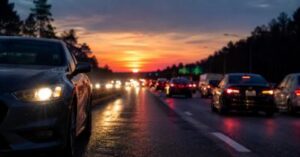
A route that feels routine in June can look very different in November because the visual information available to you changes as daylight fades.
At dusk, the sky can still appear bright while the roadway becomes darker. Contrast can drop, shadows can deepen, and a pedestrian in dark clothing or a vehicle without properly functioning lights can be harder to notice. Low-angle sunlight shortly before sunset can also create glare through your windshield, especially when you are traveling toward the setting sun.
The concern is not simply darkness. It is the shorter amount of time you may have to identify a hazard and react. Speeding, following too closely, phone use, or careless lane changes can leave you with even less room to respond.
Reduced visibility can turn a routine driving mistake into a serious collision within seconds.
Attorney Paralegal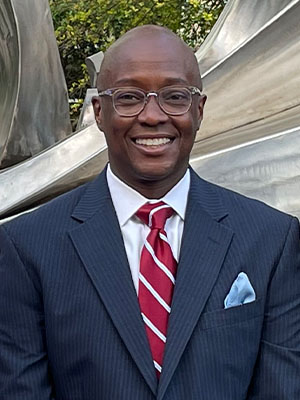
Marcel McCrea
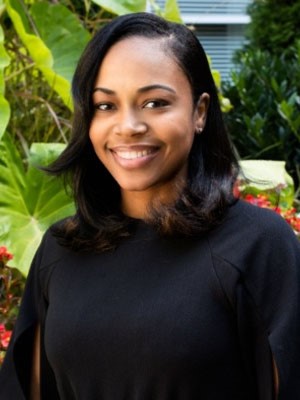
Tylisa Crawford
Charlotte Evening Traffic Can Magnify the Risk
When you drive through Charlotte during the evening, you often share busy roads with commuters, delivery vehicles, pedestrians, bicyclists, and people entering or leaving shopping centers and neighborhoods. When sunset arrives earlier, more of that ordinary traffic moves through lower-light conditions.
At an intersection, you may need to process brake lights, traffic signals, crosswalk activity, turning vehicles, and cars entering from side streets at the same time.
If you are injured in a collision, the time of day may become part of the investigation. A Charlotte car accident lawyer may review the direction of travel, roadway lighting, weather conditions, available sight distance, vehicle lights, photographs, dash camera footage, and witness statements when evaluating what happened.
More information about these claims is available at https://clearview.legal/charlotte-car-accident-lawyers/
Sun Glare Before Sunset Can Be as Dangerous as Darkness
Earlier sunsets do not only create nighttime driving concerns. The period before sunset can create severe glare.
When the sun sits low on the horizon, light can shine directly through your windshield and make it difficult to see traffic signals, brake lights, lane markings, pedestrians, or vehicles ahead. A dirty windshield can scatter light and make glare worse.
When visibility is reduced, you should adjust your speed and leave more space between your vehicle and the vehicle ahead. Sun visors, clean windshields, and extra following distance can help, but none replaces careful attention.
If a driver continues at an unsafe speed despite being unable to see clearly, that decision may become relevant when fault is investigated after a crash.
Pedestrians and Bicyclists Face Greater Visibility Risks
If you are walking or riding a bicycle, you have far less physical protection than someone inside a passenger vehicle. Earlier darkness can also make you harder for drivers to identify, especially near intersections, driveways, parking lots, and areas where lighting changes from one block to the next.
A driver turning right may focus on vehicle traffic and fail to see you entering a crosswalk. A driver pulling out of a business may look for headlights and overlook a bicyclist traveling along the road.
Reduced visibility does not remove a driver’s responsibility to use reasonable care. Investigators may examine speed, right of way, lighting, distraction, sight lines, and the actions of everyone involved.
For more information, visit:
- https://clearview.legal/charlotte-pedestrian-accident-attorneys/
- https://clearview.legal/charlotte-bicycle-accident-attorneys/
I have worked and referred cases to Attorney Marcel McCrea in Charlotte, North Carolina, for a number of years. His zealous advocacy, keen attention to details, and client care are particularly noteworthy. He has been especially helpful in some complicated personal injury matters that I have referred to his firm. I highly recommend Marcel McCrea and ClearView Legal for anyone looking for excellent attorneys.” - Frantz Jacques ClearView Legal do great work. When I had my car accident they were very diligent in showing me the process. They took care of all the necessary paperwork and negotiation in my personal injury claim. They were both passionate and determined to get me my settlement. I am eternally grateful. Definitely 5 star lawyers in my book." - Osmund Marcellin I was recently injured in a car accident. I hired Attorney Marcel McCrea of ClearView Legal in Charlotte, NC to help me with my personal injury matter and to recover for my medical bills, lost wages, and pain and suffering. - S. Jackson
Before hiring the firm, I tried to negotiate with the insurance company on my own and got no where. Marcel McCrea did an excellent job and helped me to recover much more than I expected. Marcel and his staff exceeded my expectations and provided great customer service. I highly recommend the firm!"
Rear-End and Intersection Crashes Can Happen Quickly at Dusk
One common evening crash scenario involves traffic that slows suddenly near an intersection or congested corridor.
Imagine that you are traveling through Charlotte around sunset. Traffic ahead compresses because a signal changes. The driver behind you is following too closely and looks away for only a moment. When that driver looks forward again, the available stopping distance is gone.
The earlier sunset does not excuse unsafe driving. It can create a setting in which reduced visibility, delayed recognition, and inadequate following distance combine.
Intersection crashes can develop in a similar way. A driver may misjudge the speed of an approaching vehicle, fail to notice a pedestrian, or begin a left turn without enough time to clear the lane.
Fatigue Can Make Night Driving More Difficult
A commute that once happened in daylight may suddenly take place after sunset, when you may feel more tired.
Fatigue can affect reaction time, lane control, judgment, and your ability to maintain attention. When tired driving is combined with glare, dense traffic, or distraction, the risk can increase.
If you are struggling to remain alert, do not treat the trip as something you must push through. A safe stop, a change of driver, or another transportation option may be the safer choice.
North Carolina Drivers Still Have Duties When Visibility Is Poor
You are expected to operate your vehicle with reasonable care under the conditions you encounter. Poor visibility should lead to more caution, not less.
North Carolina law requires drivers to use vehicle lighting at specified times and in certain low-visibility conditions. You should also maintain a safe speed, leave enough distance to stop, watch for vulnerable road users, and avoid distractions.
If you cannot see clearly enough to drive safely, you may need to reduce your speed or stop in a safe location.
North Carolina also follows a contributory negligence rule. If an insurance company or defendant claims that your own negligence contributed to the collision, that issue can become significant in a personal injury case. Because fault disputes can affect your ability to recover compensation, preserving evidence early can be valuable.
For a broader explanation of injury claims, visit https://clearview.legal/charlotte-personal-injury-attorneys/
What Evidence Can Matter After a Dusk or Nighttime Accident?
Evidence from a low-light crash can disappear quickly. The scene may look completely different the next morning.
If it is safe for you to do so, useful evidence may include:
- Photographs of the vehicles and roadway
• Images showing streetlights, shadows, glare, and traffic conditions
• The approximate time of the collision
• Witness names and contact information
• Dash camera footage
• Nearby business or residential surveillance footage
• Police crash reports
• Medical records
• Vehicle repair records
• Insurance correspondence
The exact time can matter because natural light changes quickly around sunset. A photograph taken later may not show what you or another driver could see at the time of impact.
What Compensation May Be Available?
The compensation available after a North Carolina car accident depends on the facts, your injuries, available insurance coverage, and the evidence supporting your losses. There is no fixed value for a dusk or nighttime collision.
Depending on your case, potential damages may include:
- Medical expenses
• Future treatment supported by medical evidence
• Lost income
• Reduced earning ability
• Property damage
• Pain and physical limitations
Insurance companies may dispute fault, the cause of an injury, the need for certain treatment, or the amount of claimed losses. Clear medical records, consistent treatment, wage documentation, photographs, and other evidence can help show how the crash affected you.
Do Not Treat the Filing Deadline as Extra Time
North Carolina generally provides a three-year limitations period for many personal injury claims, but different deadlines can apply depending on the facts and the type of case. You should not assume that every claim follows the same timeline.
Evidence can disappear long before a lawsuit deadline arrives. Surveillance footage may be overwritten, vehicles may be repaired, and witnesses may become harder to locate.
Early legal guidance can help you identify evidence that should be preserved and deadlines that may apply to your claim.
Practical Ways to Reduce Risk as the Days Get Shorter
You cannot control when the sun sets, but you can adjust how you drive as seasonal conditions change.
Before and during an evening drive:
- Clean your windshield and mirrors to reduce glare.
• Confirm that your headlights, taillights, and brake lights work.
• Reduce your speed when visibility falls.
• Increase your following distance.
• Scan crosswalks, driveways, and road shoulders.
• Avoid phone use and other distractions.
• Give extra attention to pedestrians and bicyclists.
• Leave more time for turns and lane changes.
These steps cannot prevent every collision, but they can give you more time and space to respond when conditions are harder to read.
Get Help After a Serious Charlotte Car Accident
A serious crash at dusk or after dark can leave you dealing with medical care, missed work, vehicle damage, insurance calls, and uncertainty about what to do.
ClearView Legal serves people injured in Charlotte and nearby North Carolina communities and offers free consultations. The firm can review the circumstances of your collision, identify evidence that may matter, explain insurance issues, and discuss legal options based on your specific facts.
Call 980-300-6223 or visit https://clearview.legal/contact-us/ to request a consultation.
This article is for informational purposes only and is not legal advice. Consult an attorney about your specific situation.

 |
 |