
Early fall can change pedestrian accident risks in Charlotte as school traffic returns, daylight hours shorten, and more people walk around neighborhoods, campuses, transit stops, and business districts. These changes can place drivers and pedestrians in closer contact during busy morning and evening travel periods. If you are injured while walking, the facts surrounding right of way, driver conduct, visibility, insurance coverage, and North Carolina’s contributory negligence rule may affect your claim.
Knowing how seasonal traffic patterns change can help you watch for common hazards and understand which evidence may matter after a collision.




Why Early Fall Can Raise Pedestrian Accident Risks in Charlotte 
Early fall changes daily traffic patterns across Charlotte. Summer travel schedules end, schools reopen, commuting patterns become more regular, and families return to school, sports, and other organized activities.
A road that felt quiet during part of the summer can carry more vehicle and pedestrian traffic by late August and September.
Drivers may encounter:
- Children walking to school or waiting near bus stops
- Parents entering and leaving school pickup areas
- Students crossing neighborhood streets
- More people walking near Charlotte transit stops
- Heavier afternoon activity around shopping centers
- People walking or exercising during cooler parts of the day
These conditions do not prove that a collision will occur. Risk can rise when a driver does not adjust to heavier pedestrian activity, changing visibility, or crowded intersections.
If you are driving through an area with heavy foot traffic, safer habits include reducing speed, watching crosswalks, checking both directions before turning, and allowing more time to react.
Early fall brings more school traffic and changing visibility. Drivers and pedestrians should expect busier crossings during morning and evening travel periods.
Attorney Paralegal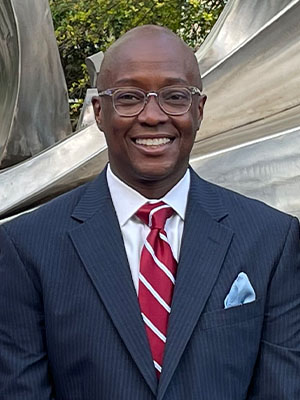
Marcel McCrea
Tylisa Crawford
School Traffic Returns Across Charlotte
The return of school traffic is one of the clearest changes that Charlotte drivers and pedestrians may notice in early fall.
During summer, drivers may become accustomed to fewer school buses, fewer children near campuses, and lighter traffic during parts of the morning. When school resumes, those conditions can change quickly.
School arrival and dismissal periods may place buses, parent vehicles, crossing guards, bicyclists, children, and commuter traffic in the same area. A driver who focuses on finding a parking space, watching another vehicle, or completing a turn may overlook a person entering a crosswalk.
Children can face added risk because they are smaller, may be harder to see between parked vehicles, and may have difficulty judging vehicle speed or distance.
If you drive near schools, residential streets, bus stops, or intersections where children are walking, watch for sudden changes in traffic flow and give yourself more time to stop.
Shorter Days Can Affect Visibility
Early fall also brings gradually shorter daylight hours.
Charlotte still receives substantial daylight during early fall, but sunset occurs earlier as the season moves forward. A commute that took place in bright daylight during summer may begin to occur closer to dusk.
Changing light conditions can affect visibility in several ways. Low-angle sunlight can create windshield glare. Shadows from buildings, trees, and vehicles can make a pedestrian harder to see. A person walking near dusk can also become less visible as natural light fades.
Drivers remain responsible for operating safely under existing conditions. When visibility is reduced, safer choices may include reducing speed, increasing following distance, checking crosswalks carefully, and avoiding rushed turns.
If you are walking, you can reduce risk by staying attentive, using designated crossing areas when available, and choosing clothing or accessories that make you easier to see.
Busy Intersections Can Create Added Risk
Charlotte has many intersections where vehicles, pedestrians, cyclists, and public transportation users interact. Early fall can increase the number of people moving through these areas at the same time.
A common pedestrian collision can occur when a driver turns right or left while focusing on vehicle traffic instead of the crosswalk.
For example, a driver preparing to turn right may focus on approaching vehicles from the left. When traffic clears, the driver may start the turn without checking again for a pedestrian approaching from the right.
A left-turn collision can happen when a driver watches oncoming traffic, accelerates through a gap, and does not see a pedestrian who is already crossing.
If you were injured in this type of collision, you can review information about pedestrian injury claims at https://clearview.legal/charlotte-pedestrian-accident-attorneys/.
I have worked and referred cases to Attorney Marcel McCrea in Charlotte, North Carolina, for a number of years. His zealous advocacy, keen attention to details, and client care are particularly noteworthy. He has been especially helpful in some complicated personal injury matters that I have referred to his firm. I highly recommend Marcel McCrea and ClearView Legal for anyone looking for excellent attorneys.” - Frantz Jacques ClearView Legal do great work. When I had my car accident they were very diligent in showing me the process. They took care of all the necessary paperwork and negotiation in my personal injury claim. They were both passionate and determined to get me my settlement. I am eternally grateful. Definitely 5 star lawyers in my book." - Osmund Marcellin I was recently injured in a car accident. I hired Attorney Marcel McCrea of ClearView Legal in Charlotte, NC to help me with my personal injury matter and to recover for my medical bills, lost wages, and pain and suffering. - S. Jackson
Before hiring the firm, I tried to negotiate with the insurance company on my own and got no where. Marcel McCrea did an excellent job and helped me to recover much more than I expected. Marcel and his staff exceeded my expectations and provided great customer service. I highly recommend the firm!"
What North Carolina Law Says About Pedestrians
North Carolina law assigns responsibilities to both drivers and pedestrians.
Under North Carolina General Statute Section 20-173, when traffic-control signals are not in place or operating, a driver generally must yield the right of way to a pedestrian crossing within a marked crosswalk or an unmarked crosswalk at or near an intersection, subject to the statute’s terms and other applicable rules.
North Carolina General Statute Section 20-174 addresses pedestrians who cross outside marked or qualifying unmarked crosswalks. In many situations, a pedestrian crossing at another location must yield the right of way to vehicles on the roadway.
Section 20-174 also states that drivers must exercise due care to avoid colliding with pedestrians on the roadway. That duty remains relevant even when a pedestrian is outside a crosswalk.
Pedestrian accident cases often depend on detailed facts, including:
- Whether you were inside a marked or unmarked crosswalk
- The direction the driver was traveling
- Whether the vehicle was turning
- Which traffic signal or pedestrian signal was displayed
- The vehicle’s speed
- Whether the driver was distracted
- Whether the driver could reasonably see you
- Whether another vehicle or object blocked visibility
- Whether you were already in the roadway before the vehicle entered the crossing area
These details can affect an insurance investigation and a personal injury claim.
North Carolina’s Contributory Negligence Rule Can Affect a Claim
North Carolina follows a contributory negligence rule in many negligence cases.
An insurance company may argue that you contributed to a pedestrian collision by crossing outside a designated area, entering traffic unexpectedly, disregarding a pedestrian signal, or failing to stay attentive.
If contributory negligence is established under North Carolina law, it can bar recovery in some negligence claims. The analysis depends on the specific facts, and other legal doctrines may affect the result.
You should not assume that an insurer’s first version of the crash tells the whole story. Physical evidence, video, witness accounts, vehicle damage, road design, and other records may show that a driver was speeding, distracted, making an unsafe turn, or failing to yield.
A lawyer can evaluate the evidence and explain how North Carolina law may apply to your situation.
For broader information about injury claims, visit https://clearview.legal/charlotte-personal-injury-attorneys/.
Distracted Driving Can Be Especially Dangerous Around Pedestrians
A brief distraction can create serious danger when pedestrians are nearby.
A driver who checks a phone, adjusts navigation, talks with passengers, eats, or looks away from the road can travel a meaningful distance without seeing what is happening ahead.
The risk is serious around crosswalks because pedestrians do not have the physical protection provided by a vehicle.
A distracted driver may also miss changes in traffic flow. A vehicle ahead may stop because a pedestrian has entered a crosswalk. A distracted driver approaching from behind may react too late.
Evidence that may help establish distraction can include:
- Witness statements
- Dash-camera recordings
- Surveillance video
- Vehicle data
- Photographs
- Cellphone records obtained through proper legal procedures
What Evidence Should You Preserve After a Pedestrian Accident?
Evidence can disappear quickly after a pedestrian crash.
Surveillance systems may overwrite recordings. Vehicles may be repaired. Road conditions can change. Witnesses may become harder to locate.
When you are able to do so safely, useful evidence may include:
- Photographs of the intersection or roadway
- Pictures of vehicle damage
- Photographs of clothing or damaged personal items
- The police crash report
- Witness names and contact information
- Locations of nearby surveillance cameras
- Dash-camera footage
- Traffic signal information
- Medical records
- Medical bills
- Employment records showing missed work
- Insurance correspondence
You can also keep a written record of symptoms, treatment appointments, physical limitations, and instructions from medical providers.
For related information about vehicle collision claims, visit https://clearview.legal/charlotte-car-accident-lawyers/.
Medical Care Should Come First
A pedestrian can suffer serious injuries even when a vehicle is moving at a lower speed.
Injuries may affect the head, neck, back, shoulders, knees, hips, arms, or legs. Some symptoms may not become obvious immediately after a crash.
A medical evaluation gives a healthcare professional an opportunity to identify injuries and recommend treatment. Medical records can also become part of an injury claim because insurers often review the timing and consistency of treatment.
Follow the recommendations of your medical providers and keep copies of records and bills related to your care.
What Compensation May Be Available After a Pedestrian Accident?
The compensation available in a pedestrian accident claim depends on the facts, the injuries, available insurance coverage, and North Carolina law.
Potential damages may include:
- Emergency medical treatment
- Hospital expenses
- Physical therapy
- Future medical care
- Lost wages
- Reduced earning capacity
- Pain and suffering
- Permanent impairment
- Scarring or disfigurement
- Other documented accident-related losses
The value of a claim must be evaluated based on evidence. Medical documentation, employment records, photographs, expert opinions, and testimony about how your injuries affect daily life may all matter.
How Long Do You Have to File a Pedestrian Accident Claim in North Carolina?
North Carolina generally provides a three-year limitations period for many personal injury claims under North Carolina General Statute Section 1-52.
That does not mean you should delay an investigation. Evidence can disappear within days or weeks. A nearby business may overwrite surveillance footage, a witness may forget details, or a damaged vehicle may be repaired before it can be inspected.
Different deadlines or procedures can apply in some cases, including matters involving government entities, minors, or wrongful death claims. A lawyer can review the facts and identify the deadline that applies to your claim.
How a Charlotte Pedestrian Accident Attorney Can Help
A pedestrian accident claim can involve more than submitting medical bills to an insurance company.
An attorney may help by:
- Investigating how the collision occurred
- Identifying available insurance coverage
- Communicating with insurance adjusters
- Gathering medical documentation
- Preserving photographs, video, and other evidence
- Interviewing witnesses
- Evaluating arguments about contributory negligence
- Reviewing damages and future losses
- Explaining settlement and litigation options
Legal representation can also help you avoid making assumptions about fault before the available evidence has been reviewed.
Attorney Marcel McCrea serves clients through ClearView Legal in Charlotte. You can learn more about him at https://clearview.legal/charlotte-attorney-marcel-mccrea/.
Talk With a Charlotte Pedestrian Accident Attorney
If you were injured while walking in Charlotte, you may have questions about medical bills, insurance coverage, fault, lost income, evidence, or your next legal step.
ClearView Legal provides client-focused representation with an emphasis on clear, candid communication. The firm serves people in Charlotte, North Carolina, and nearby areas.
Call 980-300-6223 or visit https://clearview.legal/contact-us/ to discuss your situation.
This article is for general informational purposes only. It is not legal advice and does not create a lawyer-client relationship. Speak with an attorney about the facts of your specific situation.

 |
 |