
If you are reading this, you may be dealing with the aftermath of a rideshare accident in North Carolina. You might be feeling a sense of confusion or worry, unsure about the next steps in your case. Whether you were the passenger, another driver, or a pedestrian involved in the accident, it’s completely natural to feel overwhelmed. You may be wondering what happens next and how to navigate the legal system, especially if you need to go to trial.
At ClearView Legal, we understand how difficult and stressful this process can be. You are not alone in this journey, and we are here to help you understand what to expect and guide you through every step of the way.



The Rideshare Accident Trial Process
If your case goes to trial after a rideshare accident, it means that there are still important issues to be resolved between you and the other parties involved. Going to trial is a serious decision, and while not all cases reach this point, it is important to know what to expect if yours does. Understanding the general structure of a trial can help you feel more prepared.
Pre-Trial Steps Before the Court Date
Before your trial even begins, there are a few steps that take place to prepare your case. The first part of this process is called discovery. This is when both sides, the plaintiff (you) and the defendant (the other party), gather information about the accident. During discovery, your attorney will ask for documents like police reports, medical records, and evidence from the scene of the accident. The defendant’s attorney will do the same.
After discovery, your attorney will have the chance to file motions, which can help set the framework for the trial. In some cases, motions may be filed to dismiss certain claims or ask for certain evidence to be excluded. Once these pre-trial steps are complete, the trial will move forward.
Attorney Paralegal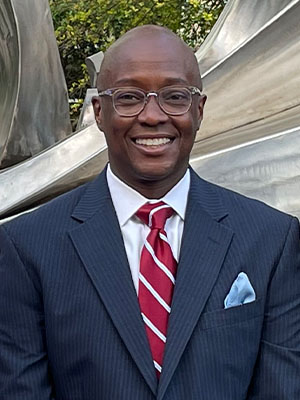
Marcel McCrea

Tylisa Crawford
The Opening Statements
The trial will begin with opening statements. During this part of the trial, both sides will have the opportunity to explain to the judge and jury what their case is about. Your attorney will start by giving an overview of what happened during the accident, the evidence that will be presented, and the damages you are seeking. The other side will also present their version of events.
While this might sound intimidating, it is an essential part of the process. Opening statements are not about proving anything yet; they are simply meant to set the stage for the evidence that will follow.
Presenting Evidence and Witness Testimony
Once the opening statements are complete, the trial will move into the phase where evidence is presented. This is often the most important part of the trial. Your attorney will introduce evidence such as medical records, testimony, and accident reports. If you or other witnesses were present during the accident, your attorney will ask them to testify about what they saw or experienced.
The other side will also have the opportunity to present their own evidence and witnesses. They may try to show that the accident was not your fault, or that you are not entitled to the compensation you are seeking.
I have worked and referred cases to Attorney Marcel McCrea in Charlotte, North Carolina, for a number of years. His zealous advocacy, keen attention to details, and client care are particularly noteworthy. He has been especially helpful in some complicated personal injury matters that I have referred to his firm. I highly recommend Marcel McCrea and ClearView Legal for anyone looking for excellent attorneys.” - Frantz Jacques ClearView Legal do great work. When I had my car accident they were very diligent in showing me the process. They took care of all the necessary paperwork and negotiation in my personal injury claim. They were both passionate and determined to get me my settlement. I am eternally grateful. Definitely 5 star lawyers in my book." - Osmund Marcellin I was recently injured in a car accident. I hired Attorney Marcel McCrea of ClearView Legal in Charlotte, NC to help me with my personal injury matter and to recover for my medical bills, lost wages, and pain and suffering. - S. Jackson
Before hiring the firm, I tried to negotiate with the insurance company on my own and got no where. Marcel McCrea did an excellent job and helped me to recover much more than I expected. Marcel and his staff exceeded my expectations and provided great customer service. I highly recommend the firm!"
Cross-Examination
After each witness testifies, the opposing attorney will have the opportunity to cross-examine them. This is when the opposing lawyer can ask questions to try and weaken your case or cast doubt on the evidence. Cross-examination is a crucial part of the trial, as it allows the jury to hear both sides of the story and assess the credibility of the witnesses.
If you have any witnesses or evidence to support your case, your attorney will use this opportunity to strengthen your position. Cross-examination is often one of the most stressful parts of the trial, but your attorney will be there to guide you and prepare you for what to expect.
Closing Arguments
Once all of the evidence has been presented and witnesses have been cross-examined, both sides will give closing arguments. In this phase, your attorney will summarize the case, remind the jury of the evidence, and explain why you deserve compensation for your injuries or damages.
The defendant’s attorney will also have the chance to make their closing argument, trying to convince the jury that you are not entitled to the amount of compensation you are asking for. After both sides have presented their closing arguments, the case will be ready for deliberation.
Jury Deliberation and Verdict
After closing arguments, the jury will leave the courtroom to deliberate. During deliberation, the jury will discuss the evidence, ask questions, and come to a decision about whether you should receive compensation and how much it should be. The jury’s decision is called the verdict, and they will present it to the judge.
Choosing a Personal Injury Attorney Personal Injury Case Case TimelineRelated Videos
If the jury finds in your favor, you will be awarded compensation for your injuries, medical bills, lost wages, and other damages related to the accident. If the jury rules against you, there may still be other options to pursue, such as appealing the decision.
Possible Outcomes and What They Mean for Your Case
There are several possible outcomes in a rideshare accident trial. If the jury rules in your favor, you will likely receive a financial award to cover your damages. However, even if the jury rules in your favor, there may be additional steps to take to ensure that you receive the compensation you deserve. If the jury rules against you, you may be able to appeal the decision or explore other legal avenues.
It’s also important to understand that not every case reaches the trial phase. Many cases are settled before they go to court, often through negotiation or mediation. If your case is settled, you will likely receive a settlement agreement that resolves the matter without going to trial.
At ClearView Legal, we are committed to helping you get the compensation you deserve after a rideshare accident. We understand how overwhelming the legal process can be, and we are here to guide you every step of the way. If your case goes to trial, we will work tirelessly to present the strongest case possible and fight for your rights.
If you are facing the challenges of a rideshare accident trial in North Carolina, don’t go through it alone. Our experienced team will stand by your side, providing the support and legal experience you need to navigate the trial process with confidence. We can help you understand your options, work with you to gather the necessary evidence, and advocate on your behalf in the courtroom.
Contact ClearView Legal today to schedule a consultation and learn how we can help you achieve a successful outcome in your rideshare accident case. You don’t have to face this challenge alone—let us help you take the next steps toward the justice you deserve.

 |
 |