
When you are involved in a pedestrian accident, it can feel overwhelming. You may be dealing with physical pain, emotional distress, and uncertainty about what steps to take next. If you are looking for a lawyer to guide you through a pedestrian accident case in North Carolina, you are not alone. ClearView Legal understands the confusion and worry that can follow such a traumatic event. Documenting evidence is one of the most crucial steps to strengthen your claim and help you achieve a successful outcome. Let us explore what you need to know to ensure you build a strong case.


Understanding the Importance of Evidence in Your Pedestrian Accident Case
Evidence is the backbone of any legal case, and pedestrian accident claims are no different. Strong evidence can help establish fault, prove the extent of your injuries, and support the compensation you deserve. Without proper documentation, you may face challenges in holding the responsible party accountable. The sooner you start gathering evidence, the better your chances of preserving critical information that can make or break your case.
Start by Preserving the Accident Scene
One of the first steps after a pedestrian accident is to preserve the accident scene as much as possible. If you are physically able, take photographs or videos of the location where the accident occurred. Capture the position of vehicles, skid marks, debris, and any traffic signals or signs in the area. Include images of the crosswalk or roadway where the incident happened. These details can provide a clear picture of the conditions that contributed to the accident and help demonstrate how the driver may have been at fault.
Seek Immediate Medical Attention and Document Your Injuries
Your health and safety should always come first. Even if you feel fine initially, some injuries may not show symptoms right away. Seeking medical attention promptly ensures that any injuries are properly diagnosed and treated. Medical records serve as key evidence, linking your injuries to the accident. Keep copies of all medical reports, treatment plans, and bills, as they can help demonstrate the financial impact of your injuries. Be sure to document how your injuries affect your daily life, including your ability to work or perform routine activities.
Attorney Paralegal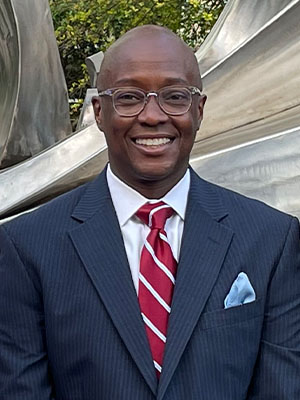
Marcel McCrea

Tylisa Crawford
Gather Contact Information from Witnesses and Involved Parties
Witnesses can play a vital role in supporting your case. If there were bystanders who saw the accident, try to collect their contact information. Witness statements can help corroborate your account of the events and provide additional perspectives on what occurred. Similarly, obtain the contact details and insurance information of the driver involved in the accident. Having this information readily available can simplify the claims process and help your lawyer build a stronger case.
Obtain a Copy of the Police Report
In most pedestrian accidents, law enforcement will respond to the scene and create an official police report. This document typically includes important details such as the time, date, and location of the accident, as well as preliminary findings on who may have been at fault. Obtain a copy of this report as soon as it becomes available. It can serve as a valuable piece of evidence when negotiating with insurance companies or presenting your case in court.
I have worked and referred cases to Attorney Marcel McCrea in Charlotte, North Carolina, for a number of years. His zealous advocacy, keen attention to details, and client care are particularly noteworthy. He has been especially helpful in some complicated personal injury matters that I have referred to his firm. I highly recommend Marcel McCrea and ClearView Legal for anyone looking for excellent attorneys.” - Frantz Jacques ClearView Legal do great work. When I had my car accident they were very diligent in showing me the process. They took care of all the necessary paperwork and negotiation in my personal injury claim. They were both passionate and determined to get me my settlement. I am eternally grateful. Definitely 5 star lawyers in my book." - Osmund Marcellin I was recently injured in a car accident. I hired Attorney Marcel McCrea of ClearView Legal in Charlotte, NC to help me with my personal injury matter and to recover for my medical bills, lost wages, and pain and suffering. - S. Jackson
Before hiring the firm, I tried to negotiate with the insurance company on my own and got no where. Marcel McCrea did an excellent job and helped me to recover much more than I expected. Marcel and his staff exceeded my expectations and provided great customer service. I highly recommend the firm!"
Keep Records of All Related Expenses
Pedestrian accidents often result in a wide range of expenses beyond medical bills. These may include transportation costs for medical appointments, lost wages due to missed work, and costs associated with property damage or hiring help for tasks you can no longer perform. Maintain a detailed record of all accident-related expenses, including receipts and invoices. This documentation can help demonstrate the full extent of your financial losses and support your claim for compensation.
Use Technology to Strengthen Your Case
In today’s digital age, technology can be a powerful tool for documenting evidence. Dashcam footage, surveillance cameras, or traffic cameras near the accident scene may have captured valuable footage of the incident. Request access to these recordings as soon as possible, as many systems overwrite data after a certain period. Additionally, keep a personal journal detailing your recovery process and the challenges you face. These entries can provide a compelling narrative of how the accident has impacted your life.
Document Your Pain and Emotional Distress
Physical injuries are often the most visible result of a pedestrian accident, but emotional distress can be just as significant. Emotional trauma, anxiety, and mental strain following an accident are legitimate damages you can seek compensation for. Documenting your emotional state is essential to support this part of your claim. Keep a daily journal of your mental well-being, noting any difficulties sleeping, increased anxiety, or other emotional challenges. This record provides clear evidence of how the accident has affected your mental health and overall quality of life. A mental health professional’s evaluation or therapy records can also support your claim for emotional distress.
Choosing a Personal Injury Attorney Personal Injury Case Case TimelineRelated Videos
Be Mindful of Social Media Posts and Online Activity
Social media may seem like a space to share life updates, but after a pedestrian accident, it is crucial to be cautious about what you post. Insurance companies and defense attorneys often monitor the social media activity of claimants. Even an innocent post about attending an event could be used against you to argue that your injuries are not as severe as you claim. To protect your case, limit your online activity and avoid sharing details about the accident, your recovery, or your legal strategy. If possible, adjust your privacy settings and discuss social media use with your attorney.
Don’t Delay in Taking Action on Your Claim
Time is a critical factor in pedestrian accident cases. Evidence can be lost, memories can fade, and surveillance footage may be erased. Acting quickly to document evidence and begin the legal process can prevent the loss of key information. North Carolina’s statute of limitations imposes a strict deadline for filing personal injury claims, so it is essential to act before time runs out. The sooner you begin documenting evidence, the more opportunities you have to strengthen your case and increase the chances of a successful outcome.
Consulting an Attorney to Navigate the Legal Process
Navigating the legal process after a pedestrian accident can be complex, especially when dealing with insurance companies or opposing parties. An attorney can help you understand your rights, gather additional evidence, and ensure all documentation is properly organized. They can also negotiate on your behalf to seek fair compensation for your injuries and losses. Having legal guidance can make a significant difference in the outcome of your case.
If you or a loved one has been injured in a pedestrian accident in North Carolina, do not face this difficult time alone. At ClearView Legal, we are committed to helping you secure the compensation you deserve. Our team understands the challenges you are facing and is here to provide compassionate, skilled representation. Contact us today to discuss your case and learn how we can support you in achieving a successful result.

 |
 |