




What to Do Immediately After an Accident During a Winter Power Outage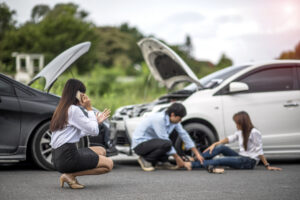
Winter conditions in Charlotte, especially during power outages, can cause havoc on the roads. Icy surfaces, downed traffic lights, and poor visibility can make an already stressful situation even more dangerous. If you’ve been in an accident during such conditions, knowing what to do in the aftermath is crucial for your safety, well-being, and your legal rights.
First and foremost, stay calm. In chaotic situations, it’s easy to panic, but remaining composed can help you assess the situation more clearly. If you or anyone else involved in the accident is injured, immediately call 911. In Charlotte, winter accidents can lead to serious injuries, especially if the crash involves sliding on ice or hitting objects such as trees or guardrails. ClearView Legal emphasizes the importance of having emergency responders assess the situation and provide medical attention as necessary.

Marcel McCrea
Attorney

James A. Noel
Attorney

Tylisa Crawford
Paralegal
Ensuring Your Safety After the Collision
Once you’ve called for help, ensure your safety by evaluating the condition of yourself and others involved in the accident. If your car is still drivable and it is safe to do so, move it to the shoulder or an area away from the flow of traffic. However, if you are in the middle of the road and moving the vehicle is unsafe, it is better to stay inside the car until help arrives, especially if it’s cold or icy outside. If your vehicle is on a busy road during a power outage, your chances of being hit by another vehicle increase significantly, so be vigilant. While waiting for emergency services, if it’s safe, document the scene. Taking photos of the accident, the surrounding conditions (such as ice or fallen trees), and any damage to vehicles is critical for insurance claims and legal proceedings. ClearView Legal encourages gathering as much evidence as possible during these stressful times.Related Videos
Choosing a Personal Injury Attorney
Personal Injury Case Case Timeline
Why Calling the Police Is Essential
Even if the collision appears minor, contacting the police is always a smart move. During winter power outages, road conditions are often hazardous, and accidents caused by these conditions may not be immediately visible. A police report is essential for documentation, and having official records of the incident can be crucial for resolving insurance claims and potential lawsuits. In some cases, the police may even issue tickets for violations related to the power outage (such as failure to stop at an intersection with a non-functioning traffic light). This can be an important factor in determining who is at fault in the accident. During power outages in Charlotte, law enforcement may be stretched thin, so response times could be slower than usual. However, patience is key. While waiting for help, make sure you stay in your vehicle to avoid being exposed to the elements, especially if snow or ice is making the roads unsafe.Seeking Medical Attention
It is important to understand that not all injuries are immediately apparent. Even if you feel fine after a collision, some injuries, such as whiplash, concussions, or internal injuries, may not show symptoms right away. For your own health and well-being, it’s advisable to seek medical evaluation, especially after an accident during a winter storm or power outage. Emergency services can assess you at the scene, but following up with a doctor afterward is essential for your recovery. ClearView Legal emphasizes the need to take medical records seriously, as they can be vital if there are disputes about injuries later on. Delaying medical treatment can sometimes affect the credibility of your injury claims when pursuing compensation.Documenting the Scene and Gathering Information
If you are able, collect as much information as possible from the scene of the accident. This includes:- Names, addresses, and contact information of all drivers and passengers involved.
- Insurance policy details from each party.
- Witness contact information if any bystanders saw the incident.
- Photos of the accident scene, vehicle damage, road conditions, and weather at the time.
- Weather conditions during the accident, such as snowfall, icy patches, and any visible impact from the power outage (e.g., downed power lines or damaged streetlights).