
Winter morning commutes in Charlotte bring a higher risk of accidents due to a combination of icy roads, fog, and congested highways. ClearView Legal explores why these conditions make driving more hazardous and provides practical tips for avoiding accidents.
Driving through Charlotte’s roads on a winter morning can be a perilous journey for many commuters. As temperatures drop and weather conditions worsen, the risk of car accidents significantly increases, particularly during the early hours. ClearView Legal, serving clients across Charlotte, has observed that winter mornings present a unique set of challenges for drivers, which increases the likelihood of accidents. It’s crucial for motorists to understand why these factors contribute to a higher risk during winter months, especially during the morning rush hour, and take the necessary precautions to stay safe.




Winter’s impact on the roads is a combination of several factors that make the morning commute more dangerous. From icy patches to reduced visibility, drivers often find themselves navigating through treacherous conditions before they even begin their workday. Understanding the cause of these accidents and how to mitigate the risks can go a long way toward ensuring safety during these cold, challenging months.
The Impact of Weather on Charlotte’s Roads 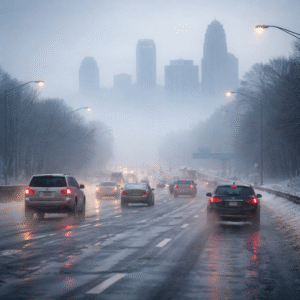
Charlotte is no stranger to harsh winter weather. While the city doesn’t experience the extreme snowstorms that the northern states face, icy roads, freezing rain, and unpredictable fog can create hazardous conditions. As temperatures fall overnight, roads that appear clear and dry in the morning often hide dangerous patches of black ice. Black ice is especially dangerous because it’s thin, hard to see, and forms in the early hours of the morning, when many people are heading out for work.
In fact, early morning commutes pose a higher risk for black ice because roads are still cold from the previous night’s drop in temperature. Bridges and overpasses, in particular, are more susceptible to freezing and can present a sudden and unexpected danger to drivers. Many drivers, especially those unfamiliar with these winter risks, fail to adjust their driving speeds or maintain a safe distance, putting themselves and others at risk.
Reduced Visibility During Winter Mornings
Another key factor that makes winter commutes more hazardous is reduced visibility. Winter mornings often come with heavy fog, which severely limits a driver’s ability to see ahead. This is particularly true in Charlotte, where fog can be thick and unpredictable. The low-lying fog, coupled with the sun’s rays still being low in the sky, makes it difficult for drivers to see other vehicles, traffic lights, and road signs clearly. Without adequate visibility, even experienced drivers may fail to notice pedestrians, other vehicles, or changes in the road conditions until it’s too late.
For those navigating through neighborhoods or rural roads, fog can be even more dangerous. These areas may not have streetlights or adequate reflectors to guide drivers safely through the haze. Without these visual cues, drivers may find themselves taking corners too quickly or veering into lanes they didn’t intend to, resulting in collisions.
Attorney Paralegal
Marcel McCrea

Tylisa Crawford
The Role of Traffic Congestion
Charlotte’s population has grown exponentially over the last decade, and with it, the morning traffic congestion has become more intense. Despite the weather, people still need to get to work, leading to crowded streets and highways. This congestion, combined with winter conditions, amplifies the risk of accidents. When traffic is backed up, drivers tend to get frustrated and impatient, which leads to aggressive driving behaviors, such as tailgating, sudden lane changes, or speeding. This impatience can also be exacerbated by drivers’ perception of getting to their destinations faster, which in reality only increases the chance of an accident.
In addition to these behaviors, more vehicles on the road result in longer commute times. When drivers are stuck in heavy traffic during the early hours, they often don’t have enough time to react to sudden stops or changes in road conditions. A slight misjudgment while navigating a slick patch of road can result in a rear-end collision or more serious crashes.
The Challenge of Sun Glare in the Winter
One of the less-discussed risks of winter driving is sun glare. In the early morning hours of the winter months, the sun rises late, and its rays can be blinding for drivers. The low position of the sun makes it difficult to see obstacles, pedestrians, or even other cars, particularly if the road is wet or icy. This glare is especially dangerous for drivers who are already dealing with fog or other poor visibility conditions. It’s not uncommon for drivers to momentarily lose sight of the road in front of them due to the brightness of the sun reflecting off the wet pavement or snow. With less time to react, accidents are more likely to occur when a driver cannot see clearly.
Choosing a Personal Injury Attorney Personal Injury Case Case TimelineRelated Videos
How to Drive Safely in These Conditions
While winter mornings in Charlotte are undeniably challenging, there are several steps that drivers can take to reduce the risk of accidents. First and foremost, it’s essential to drive more slowly and cautiously during these months. Winter driving requires increased attention to road conditions and the surrounding environment. Adjusting speed to match road conditions is crucial, and driving slower than usual can give you more time to react if an unexpected obstacle or change in road conditions appears.
Second, ensuring that your vehicle is equipped for winter driving is a critical step in reducing risk. This includes checking tire pressure, making sure your brakes are in good condition, and ensuring that your windshield wipers are functioning properly. If driving conditions are particularly hazardous, it’s a good idea to keep an emergency kit in your car that includes essentials such as blankets, food, water, and a flashlight.
Third, maintaining a safe distance from other vehicles is crucial. In the winter, roads can be slippery even if they don’t look icy, and drivers need more space to stop or avoid sudden obstacles. By keeping a longer following distance, you give yourself the opportunity to react more calmly to any situation.
Additionally, it’s essential to keep your headlights on during winter mornings, even if it’s not completely dark. This helps other drivers see you, especially in foggy or overcast conditions. And remember that when driving in fog, it’s better to use low beams instead of high beams. High beams will reflect off the fog and create glare, making it even harder to see.
Morning commutes in Charlotte during the winter months present unique and increased risks for drivers. Black ice, fog, traffic congestion, sun glare, and a lack of visibility make these commutes more dangerous. Understanding these risks and adjusting driving habits accordingly is essential to staying safe on the roads. Drivers must take the extra step to prepare their vehicles for winter conditions and remain vigilant during these colder months.
If you have been involved in a car accident during the winter months, ClearView Legal is here to help. Our team, led by experienced attorney Marcel McCrea, is ready to provide the legal support you need. Whether it’s a minor fender-bender or a more severe accident, we’re committed to ensuring that you receive the compensation you deserve for your injuries and damages. Contact us for a free consultation today.
If you’ve been involved in a winter accident or need legal assistance, ClearView Legal is ready to assist you. Reach out today to speak with an experienced attorney who can help you navigate the complexities of your personal injury claim.
To learn more about this subject click here: North Carolina Car Accident Settlement Process: A Step-by-Step Guide

 |
 |