
In Charlotte, late-winter mornings continue to be a high-risk time for car accidents. Despite the colder months seeming to be over, various weather conditions and behavioral patterns during this time of year contribute to increased accidents. Understanding the main factors behind this, and how drivers can mitigate the risks, is essential for safer roads.




Why Late-Winter Mornings Are Riskier 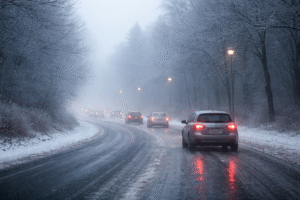
While Charlotte’s winters are mild compared to other parts of the country, late-winter mornings bring their own set of dangers. From fog and black ice to a lack of proper vehicle preparation, these mornings are deceptively hazardous.
- Morning Frost and Black Ice
Black ice is especially dangerous in the early morning when temperatures are lower and roads haven’t had time to clear from overnight cold. Areas in shaded spots or on bridges tend to freeze quickly, becoming near-invisible to drivers. Black ice is particularly treacherous because it’s nearly invisible, leaving little warning for drivers to react. Drivers often don’t realize that conditions are hazardous until it’s too late. This is especially dangerous on bridges and overpasses, where moisture can freeze much faster than on regular road surfaces.
Even seasoned drivers in Charlotte may underestimate how slippery these roads can be in the early morning hours. When ice forms and is combined with low visibility, the risk of accidents increases dramatically. The worst part is that drivers may not even recognize that they’ve lost traction until they begin skidding. This is why staying cautious during the early morning hours is key to avoiding accidents.
- Foggy Conditions
Late-winter mornings are often foggy in Charlotte. Fog severely reduces visibility, making it difficult for drivers to see obstacles in their path. This is particularly dangerous on highways or rural roads where visibility can drop to just a few feet. When fog settles in, especially in the cooler mornings, it can cover entire stretches of road without much warning. Since fog can linger in the early hours of the day, drivers often find themselves driving in conditions that limit their visibility to only a few feet. On highways, this creates a unique risk of collisions with other vehicles or even stationary objects.
Attorney Paralegal
Marcel McCrea

Tylisa Crawford
When you combine the risk of poor visibility with the fact that some drivers might still be speeding or not keeping proper distance from other vehicles, the risk of collisions becomes even higher. It’s not just the fact that fog reduces how far you can see ahead of you, but it also distorts your perception of the speed and distance of other vehicles, which can lead to accidents.
- Decreased Driver Alertness
Drivers are often less alert in the early morning, especially after a long winter. The lack of sleep or sudden transitions from warm indoor environments to cold weather can reduce reaction times. With fog or black ice on the roads, the result can be devastating. Late-winter mornings often find drivers feeling groggy and less alert. The colder weather and the early hour contribute to people being tired and less prepared to react quickly to changes in road conditions. Fatigue is a common cause of car accidents during these months, especially for those who may not have gotten enough rest the night before.
Drivers who haven’t adjusted to the colder temperatures may also be more likely to make rash decisions or fail to make the proper adjustments when conditions worsen. The sudden shift from a warm home to a cold, sometimes icy environment can cause drivers to feel rushed or distracted. It’s important that drivers focus on staying alert and adjusting their speed to the conditions of the road, particularly in the early morning when they’re at their most fatigued.
Choosing a Personal Injury Attorney Personal Injury Case Case TimelineRelated Videos
Behavioral Patterns and Accidents
During late-winter mornings, many drivers may be anxious to get to work or school, leading them to drive faster than they should in poor conditions. Additionally, fatigue can set in during the final stretch of winter, leading to lapses in focus. The last few months of winter can often bring a sense of restlessness and a desire to get things back to normal. For many drivers in Charlotte, this translates into rushing to reach their destinations, especially after a holiday or weekend, leading to speed and distraction.
This sense of urgency to get to work, school, or another commitment can cause drivers to ignore signs that they should slow down. When combined with the already dangerous road conditions caused by fog, ice, and frost, these behavioral patterns make late-winter mornings a high-risk time for car accidents. Drivers might be tempted to cut corners or speed to make up time, thinking that the weather won’t have any effect on them. This is a common mistake that leads to accidents.
What Can Drivers Do to Stay Safe?
Staying safe during the late-winter mornings requires preparation, awareness, and caution. Here are a few simple steps you can take to ensure you’re driving safely during this time of year:
- Prepare Your Vehicle
- Check Your Tires: Ensure your tires have enough tread to provide traction, especially in icy or wet conditions. Worn tires can increase the likelihood of losing control.
- Ensure Proper Brake Function: Make sure your brakes are responsive, as stopping distances are longer on wet or icy roads.
- Clear Your Windows and Mirrors: Clean off any frost, snow, or fog that could obstruct your view. This simple step can prevent accidents caused by low visibility.
- Use Defoggers Regularly: Keep your defogger on during cold mornings to clear moisture from your windows and mirrors.
- Allow Extra Time: Start your day earlier to ensure that you have time to defrost your windows and prepare your vehicle properly before hitting the road.
- Drive Carefully in Fog and Ice
- Reduce Speed in Fog: When driving in foggy conditions, slow down and use your low-beam headlights. High beams reflect off the fog, making it even harder to see.
- Increase Following Distance: Give yourself extra space between your car and the one ahead of you. In foggy or icy conditions, stopping distances increase significantly, so more space is essential.
- Watch for Black Ice: If you’re driving in areas prone to ice, such as bridges, underpasses, or shaded spots, reduce your speed and be extra cautious.
I have worked and referred cases to Attorney Marcel McCrea in Charlotte, North Carolina, for a number of years. His zealous advocacy, keen attention to details, and client care are particularly noteworthy. He has been especially helpful in some complicated personal injury matters that I have referred to his firm. I highly recommend Marcel McCrea and ClearView Legal for anyone looking for excellent attorneys.” - Frantz Jacques ClearView Legal do great work. When I had my car accident they were very diligent in showing me the process. They took care of all the necessary paperwork and negotiation in my personal injury claim. They were both passionate and determined to get me my settlement. I am eternally grateful. Definitely 5 star lawyers in my book." - Osmund Marcellin I was recently injured in a car accident. I hired Attorney Marcel McCrea of ClearView Legal in Charlotte, NC to help me with my personal injury matter and to recover for my medical bills, lost wages, and pain and suffering. - S. Jackson
Before hiring the firm, I tried to negotiate with the insurance company on my own and got no where. Marcel McCrea did an excellent job and helped me to recover much more than I expected. Marcel and his staff exceeded my expectations and provided great customer service. I highly recommend the firm!"
- Stay Alert and Avoid Rushing
- Get Adequate Sleep: Before embarking on early morning drives, ensure you’ve had enough rest. Fatigue is a major contributing factor to accidents.
- Don’t Rush: Allow plenty of time to reach your destination. Rushing increases your chances of making poor decisions while driving.
The late-winter mornings in Charlotte may seem like an easy driving season, but they bring a unique set of risks. Understanding the dangers, from black ice to fog, and adopting better driving habits can go a long way in reducing accidents. If you’ve been involved in an accident during these conditions, ClearView Legal offers free consultations to help you understand your rights and pursue compensation.
By making simple adjustments to your driving habits and preparing your vehicle, you can greatly reduce the risks associated with these hazardous conditions.
To learn more about this subject click here: The Difference Between Truck Accidents and Car Accidents in Cabarrus County

 |
 |