
A dog bite injury at a holiday gathering can be a traumatic experience. If you or someone you love were injured by a dog in Charlotte during a holiday gathering, it is important to understand the process of pursuing a claim against the homeowner’s insurance in North Carolina. Filing a claim requires gathering evidence, seeking medical treatment, and understanding North Carolina’s dog bite laws. This post will guide you through the essential steps to take and how ClearView Legal can help you seek compensation.
Introduction to Dog Bite Incidents During Holidays 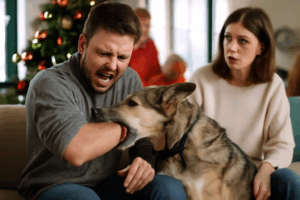
The holiday season is a time of joy, family gatherings, and celebration. However, for some people, it can also be a time of unexpected accidents. One such incident is a dog bite, which can occur even in familiar and seemingly safe environments, like a friend’s or family member’s home during a holiday party. While a dog may be friendly in most situations, an unexpected trigger or an unfamiliar environment can lead to a dog feeling threatened or protective, resulting in an attack.
If you find yourself injured by a dog during a holiday gathering in Charlotte, it is crucial to understand how you can protect your rights and pursue compensation for your injuries. North Carolina law provides certain protections for victims of dog bites, and homeowner’s insurance can potentially cover your medical expenses and other damages. This guide will walk you through the process of filing a claim and what you can expect along the way.
Understanding North Carolina’s Dog Bite Laws
North Carolina follows the “one bite” rule, which holds dog owners responsible for injuries caused by their dogs if they knew or should have known that their dog was dangerous. This is known as “strict liability.” In other words, if a dog has bitten someone before or has exhibited aggressive behavior, the dog’s owner may be held liable for any subsequent attacks.
It’s important to note that liability in dog bite cases can vary depending on the specific circumstances. Even if the dog has never attacked anyone before, a homeowner’s insurance policy may still provide compensation for medical bills and damages if the dog’s owner was negligent in managing the animal.
Step 1: Seek Medical Attention and Document the Incident
If you’ve been bitten by a dog at a holiday gathering, your immediate priority should be to seek medical attention. Dog bites can lead to serious infections, nerve damage, or even rabies. Prompt medical treatment is essential not only for your health and well-being but also for building a strong case.
Once you’ve received the necessary medical treatment, you should begin documenting the incident. Take detailed notes about the event:
- The exact location of the holiday gathering
- The behavior of the dog before and after the attack
- A description of the injury and its severity
- The names and contact information of any witnesses
- Any photos or videos of the injury or the dog involved in the attack
This documentation will be invaluable when filing your homeowner’s insurance claim and will help to support your case should you need to pursue a lawsuit.
Step 2: Identifying the Dog’s Owner and Insurance Information
To file a claim against homeowner’s insurance, you’ll need to identify the dog’s owner and confirm their homeowner’s insurance coverage. During a holiday gathering, it is common for hosts to invite guests over with their pets, so it’s essential to know the dog’s owner and whether they have insurance that covers dog bite injuries.
If you were unable to get this information at the time of the incident, you may need to contact the host or other witnesses to identify the dog’s owner. You can also reach out to local animal control authorities, who may have records of the dog and its vaccination history. Once you’ve identified the owner, you can request information regarding their homeowner’s insurance policy, which should cover any damages resulting from the attack.
Step 3: Reporting the Dog Bite to the Insurance Company
After you’ve gathered the necessary information, the next step is to contact the homeowner’s insurance company to report the incident. It’s crucial to notify the insurance company as soon as possible, as delays can complicate the claims process.
When reporting the dog bite, be prepared to provide:
- A detailed account of the incident, including when and where it occurred
- Medical records or bills documenting your treatment and expenses
- Photos or videos of the injury and the dog
- Witness statements supporting your account of the incident
Insurance companies will conduct their investigation into the claim, which may involve interviewing the dog’s owner, witnesses, and reviewing medical records. It’s also advisable to work with a personal injury attorney to ensure that your claim is handled properly and that you receive fair compensation.
Step 4: The Claims Process and Settlement Offers
Once your claim is filed, the homeowner’s insurance company will typically conduct an investigation into the circumstances surrounding the dog bite. In many cases, the insurance company will make an offer to settle the claim before it reaches the court system. While a settlement may seem appealing, it’s important to evaluate the offer carefully.
Insurance companies often offer settlements that cover basic medical costs but may not account for long-term medical needs, pain and suffering, lost wages, or emotional distress. If the settlement offer is insufficient, you may choose to negotiate for a higher amount or pursue a lawsuit.
A personal injury lawyer specializing in dog bite cases can be instrumental in evaluating the insurance offer and determining whether further legal action is necessary. Your lawyer will help negotiate with the insurance company to ensure that you are compensated fairly.
Step 5: Pursuing Legal Action if Necessary
If a fair settlement cannot be reached through negotiations, you have the option to pursue a lawsuit against the dog’s owner or the homeowner’s insurance company. A lawsuit can help you recover compensation for a variety of damages, including:
- Medical expenses
- Lost wages due to missed work
- Pain and suffering
- Long-term care or rehabilitation costs
- Scarring, disfigurement, or permanent disability
- Emotional distress or psychological trauma
Before proceeding with a lawsuit, it’s important to consult with an experienced attorney who can assess the merits of your case and guide you through the legal process. In some instances, a dog bite victim may be entitled to additional damages if the dog’s owner was grossly negligent or acted recklessly.
What Compensation Can You Expect from a Dog Bite Claim?
If your claim is successful, the compensation you receive will depend on the severity of the injury and the circumstances surrounding the attack. Possible damages include:
- Medical expenses: Compensation for hospital bills, surgeries, medications, physical therapy, and any future medical costs related to the injury.
- Lost wages: If the injury prevents you from working, you may be entitled to compensation for lost wages and future income.
- Pain and suffering: Compensation for the physical pain and emotional distress caused by the dog bite.
- Permanent injury or scarring: If the injury leaves permanent scars or affects your ability to function, you may be eligible for additional compensation.
- Punitive damages: In rare cases, punitive damages may be awarded if the dog’s owner demonstrated gross negligence or acted maliciously.
The amount of compensation you are entitled to will depend on the details of the case and the impact of the injury on your life. An experienced personal injury attorney will help ensure that all aspects of your claim are addressed and that you receive the compensation you deserve.
A dog bite injury at a holiday gathering in Charlotte is a traumatic experience that can have lasting physical, emotional, and financial consequences. By understanding the process for pursuing a claim against the dog owner’s homeowner’s insurance, you can take steps to secure compensation for your injuries. It’s important to gather all necessary documentation, report the incident promptly, and work with a skilled attorney to navigate the complexities of the claims process.
At ClearView Legal, we are committed to helping you through this challenging time. Our team offers free consultations and is ready to assist you in seeking justice and fair compensation. Contact us today to learn more about how we can help you with your dog bite claim.
For more information, schedule your free consultation with ClearView Legal today.
To learn more about this subject click here: Who Is Liable for a Dog Bite in North Carolina?

 |
 |