
The Risks of Thanksgiving Travel and Rideshare Accidents 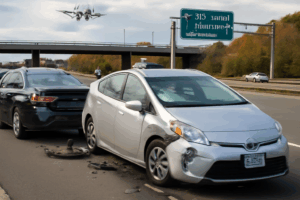
Thanksgiving is a time when roads are congested, and travel can be chaotic. People are rushing to make flights, attend family gatherings, and return home after the long weekend. This added stress on the roads increases the likelihood of accidents, and rideshare drivers are no exception. Whether you’re riding in an Uber or Lyft, the risks are heightened during this busy travel period, especially around airports like CLT, where traffic is notoriously heavy.
For rideshare passengers, the risk is compounded by the fact that the drivers they’re relying on may not always be experienced with such heavy traffic or challenging driving conditions. Moreover, accidents involving rideshare vehicles tend to be more complex than those involving personal vehicles. The question of who is responsible for covering your medical bills or property damage depends on the circumstances surrounding the crash, including who is at fault and what insurance policies are in place.
Uber and Lyft Insurance Coverage: What You Need to Know
If you’re involved in a crash while using a rideshare service like Uber or Lyft, one of the first things you need to understand is how insurance coverage works. Rideshare companies like Uber and Lyft provide insurance, but it’s different from traditional car insurance. The type and amount of coverage depend on whether the driver is logged into the app and whether they have accepted your ride.Uber and Lyft Insurance Coverage Breakdown
- When the Driver is Offline: If the driver is not logged into the Uber or Lyft app when the accident occurs, only the driver’s personal auto insurance is in effect. In this case, the rideshare company’s insurance does not apply, which can complicate claims, especially if the driver’s personal insurance is inadequate.
- When the Driver is Online but Waiting for a Ride: If the driver is logged into the app and waiting for a ride request, the rideshare company’s liability insurance kicks in. However, this coverage is limited. Uber and Lyft provide liability coverage for property damage and injuries to third parties, but it may not cover the full extent of medical expenses for passengers or the driver.
- When the Driver is on a Trip: When a driver has accepted a ride request and is transporting a passenger, Uber and Lyft provide full liability coverage. This includes injury liability for both the driver and the passenger. If you are injured in an accident while in the rideshare vehicle, this insurance is intended to cover your medical expenses, damages, and other costs. However, this coverage has limits, and if the driver is at fault, their own insurance might also play a role in covering costs.
- Uninsured or Underinsured Motorist Coverage: If another driver causes the accident and they do not have sufficient insurance coverage, Uber and Lyft’s insurance may cover the costs under uninsured/underinsured motorist coverage. This coverage is only available in certain states and depends on the circumstances surrounding the crash.
- Personal Injury Protection (PIP): In North Carolina, the state offers Personal Injury Protection (PIP) insurance, which provides benefits regardless of who is at fault. If you’re injured in a rideshare accident, PIP may help cover medical bills, lost wages, and other expenses, even if the other driver was not at fault.
How Are Medical Bills Handled After an Uber or Lyft Accident?
Dealing with medical bills after a car accident can be one of the most stressful aspects of a rideshare accident, especially if you’re injured during a busy time like Thanksgiving. Understanding who is responsible for paying your medical bills can be complex. Here’s a look at how medical expenses are typically handled in rideshare accidents.Health Insurance Coverage
Your personal health insurance should be your first line of defense when it comes to paying for medical bills following a rideshare accident. Health insurance covers a variety of medical expenses, including:- Hospital stays
- Doctor’s visits
- Emergency services
- Physical therapy and rehabilitation
- Medication
Rideshare Insurance and Medical Coverage
If the rideshare driver is at fault, Uber and Lyft may provide coverage for your medical expenses. However, this coverage is not unlimited. You may need to file a claim with Uber or Lyft’s insurance provider to help cover the costs. This process can be complex, and you may need to work with an attorney to ensure that your medical bills are paid. In some cases, Uber and Lyft’s insurance may only cover part of your medical expenses, leaving you to pay the remaining costs out of pocket or through your own health insurance. If the other driver caused the crash, their insurance may be responsible for covering your medical bills.Personal Injury Protection (PIP)
As mentioned earlier, Personal Injury Protection (PIP) is available in North Carolina and may be used to pay for medical bills following a rideshare accident. PIP covers medical costs and other expenses, such as lost wages, regardless of who is at fault. If you are involved in a rideshare accident and are injured, you may be able to use PIP benefits to help cover your medical treatment. PIP insurance is often provided through your own auto insurance, so you’ll need to check with your insurance provider to determine whether you have this coverage and how to file a claim.Steps to Take After a Rideshare Accident During Thanksgiving Travel
If you’re involved in an Uber or Lyft crash to or from CLT Airport, it’s crucial to take immediate action to protect your rights and ensure your medical bills are covered. Here are the key steps to take after the accident:- Call 911: Always report the accident to the authorities, even if the crash seems minor. Emergency medical services (EMS) can assess your condition and provide treatment on the scene.
- Get Medical Attention: Even if you feel fine, it’s essential to see a doctor after a rideshare accident. Some injuries, like whiplash or concussions, may not be immediately apparent.
- Document the Scene: Take pictures of the accident scene, including any damage to the vehicles, injuries, and the surrounding area. Exchange contact and insurance information with the driver and any other parties involved.
- Report the Accident to Uber or Lyft: Both Uber and Lyft have a process for reporting accidents through their apps. Make sure you report the incident as soon as possible so that their insurance coverage can kick in.
- Contact an Attorney: If you’re unsure about how to handle the insurance claims process or need help negotiating with Uber, Lyft, or the at-fault driver’s insurance, contact an experienced personal injury attorney.
- Keep Track of Medical Bills and Expenses: As your medical treatment progresses, keep detailed records of all medical bills, prescriptions, therapy sessions, and any other related expenses. This documentation will be crucial for filing claims and seeking compensation.