
In Matthews, North Carolina, dog bite incidents can result in legal ramifications for both the dog owner and the victim. When a person is bitten by a dog, the consequences can be severe, leading to physical injuries, emotional trauma, and significant medical expenses. In such cases, legal action may be pursued to seek compensation for damages. However, it’s crucial to understand that dog bite lawsuits are complex, and defendants often employ various defenses to mitigate their liability. In this page, we will explore common defenses used in Matthews, NC dog bite lawsuits and the requirements associated with each.
Provocation Defense
One frequently used defense in dog bite cases is the claim of provocation. In North Carolina, if the defendant can demonstrate that the victim provoked the dog into aggressive behavior, it may reduce or eliminate their liability. However, for this defense to be valid, the provocation must be both intentional and substantial. Accidental actions that unintentionally lead to a dog bite may not suffice as provocation under the law.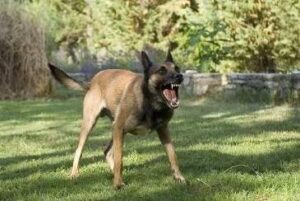
Trespassing Defense
Dog owners may also invoke the defense of trespassing when facing a dog bite lawsuit. If the victim was unlawfully on the property at the time of the incident, the dog owner may argue that the victim’s presence constituted trespassing. It’s important to note that this defense hinges on the property owner’s right to exclude others, and the trespassing must be evident for the defense to be effective.
Comparative Negligence Defense
North Carolina follows the doctrine of contributory negligence, which means that if the victim is found even slightly at fault for the incident, they may be barred from recovering any damages. Dog owners often employ the defense of comparative negligence, asserting that the victim’s actions or failure to exercise reasonable care contributed to the dog bite. Proving comparative negligence requires demonstrating that the victim’s conduct fell below the standard of care expected in the given situation.
Lack of Knowledge Defense
Another defense used in dog bite lawsuits involves the dog owner claiming they were unaware of their pet’s aggressive tendencies. If the owner can prove that they had no prior knowledge of the dog’s propensity to bite or attack, it may impact the extent of their liability. However, establishing lack of knowledge can be challenging, as it necessitates evidence that the owner had no reason to believe the dog posed a danger to others.
Leash Law Compliance Defense
In Matthews, NC, there are leash laws in place that require dog owners to restrain their pets in public spaces. Dog owners may use compliance with leash laws as a defense, arguing that they adhered to local regulations, and the incident occurred despite their efforts to control the animal. However, it’s important to note that compliance with leash laws may not absolve the owner of liability if other factors, such as negligence, are present.
Working Dog Exception Defense
Certain exceptions may apply if the dog in question serves a specific purpose, such as being a service or working dog. In these cases, the defense may argue that the dog was engaged in activities related to its designated role, and the incident occurred in the course of those duties. However, this defense requires a clear connection between the dog’s function and the circumstances surrounding the bite.
Requirements for Establishing Defenses
Successfully utilizing these defenses in Matthews, NC dog bite lawsuits requires thorough documentation, compelling evidence, and a comprehensive understanding of the legal requirements associated with each defense.
For the provocation defense, evidence must establish intentional and substantial provocation by the victim. This may include witness statements, video footage, or other relevant documentation supporting the claim.
In trespassing cases, the property owner must prove that the victim was on the premises without permission. This can be demonstrated through property records, surveillance footage, or witness testimony confirming the unauthorized entry.
Comparative negligence defenses necessitate a careful examination of the victim’s actions leading up to the incident. Clear evidence of the victim’s failure to exercise reasonable care is crucial to support this defense.
To establish lack of knowledge, the dog owner must present evidence demonstrating their unfamiliarity with any aggressive tendencies in the dog. Veterinary records, behavioral assessments, or witness statements may be used to substantiate this claim.
Compliance with leash laws requires documented proof that the dog was appropriately restrained at the time of the incident. This can include witness statements, photographs, or law enforcement reports confirming the owner’s adherence to leash regulations.
For the working dog exception defense, a strong connection between the dog’s duties and the circumstances of the bite is essential. This may involve detailed records of the dog’s training, certification, and the specific tasks it performs.
Navigating dog bite lawsuits in Matthews, NC involves a careful consideration of the defenses available to the dog owner. Each defense comes with its own set of requirements and challenges, emphasizing the importance of comprehensive documentation and legal experience in such cases. If you or someone you know has been a victim of a dog bite incident, seeking legal counsel is crucial to understanding your rights and pursuing just compensation.
For experienced guidance and legal support in Matthews, NC dog bite cases, contact ClearView Legal. Our dedicated team is committed to advocating for your rights and helping you navigate the complexities of dog bite lawsuits. Call us today to schedule a consultation and take the first step toward securing the compensation you deserve.

 |
 |