
Charlotte, North Carolina, is a vibrant and pet-friendly city where dogs are often considered cherished members of the family. However, as much as we love our furry companions, there are times when accidents happen, and dogs may bite. In such unfortunate instances, understanding how insurance companies handle dog bite claims in Charlotte becomes crucial.
At ClearView Legal, we have extensive experience in helping clients navigate the complexities of personal injury claims, including those related to dog bites. In this article, we will shed light on how insurance companies typically handle dog bite claims in Charlotte, along with the requirements involved in the process.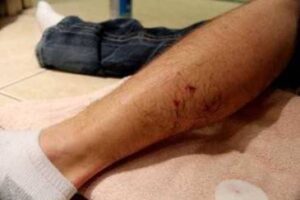
Insurance Coverage for Dog Bite Claims
When a dog bite occurs, the first question that often arises is, “Will insurance cover the damages?” In many cases, homeowner’s insurance or renter’s insurance policies may provide coverage for dog bite claims. However, the specifics can vary depending on the insurance company and the policy’s terms and conditions.
- Homeowner’s and Renter’s Insurance: Most homeowner’s and renter’s insurance policies include liability coverage. This means that if your dog bites someone and causes injuries, the liability portion of your policy may cover the injured person’s medical expenses and other damages up to the policy’s limit.
- Exclusions and Breed Restrictions: It’s important to note that some insurance companies have exclusions or breed restrictions when it comes to dog bite claims. Certain dog breeds, considered to be more aggressive or dangerous, may be excluded from coverage. It’s essential to review your policy to understand if any such limitations apply.
Reporting the Dog Bite Incident
In Charlotte, North Carolina, and elsewhere, insurance companies require prompt reporting of dog bite incidents. Failing to report the incident promptly could lead to complications in your claim process. Here are the steps to follow when reporting a dog bite incident:
- Contact the Insurance Company: As soon as a dog bite occurs, contact your homeowner’s or renter’s insurance company to report the incident. You’ll need to provide details such as the date, time, location, and circumstances of the incident.
- Cooperate Fully: Insurance companies will investigate the claim thoroughly. This may involve interviewing witnesses, obtaining medical records, and assessing the severity of injuries. It’s essential to cooperate fully with the insurance company’s investigation.
- Provide Documentation: Be prepared to provide any necessary documentation, such as photographs of the injury, medical bills, and any other evidence that supports your claim. This documentation will play a significant role in determining the compensation you may receive.
Determining Liability
One of the key aspects insurance companies assess is liability. In the context of dog bite claims, liability involves determining who is responsible for the incident. Liability can fall on the dog owner, the victim, or a combination of both.
- Dog Owner’s Liability: If it is established that the dog owner was negligent in controlling their pet or was aware of the dog’s aggressive behavior, they may be held liable for the injuries caused by their dog.
- Victim’s Liability: In some cases, the victim’s actions may contribute to the incident. For instance, if the victim provoked the dog or trespassed on private property, their own negligence may affect the determination of liability.
The Role of Negligence in Dog Bite Claims
Negligence is a critical factor in assessing liability for dog bite claims. Insurance companies will consider whether the dog owner or the victim acted negligently. Here’s how negligence may impact the outcome of a claim:
- Dog Owner’s Negligence: If the dog owner failed to properly leash, restrain, or control their dog in a public place or on their property, and this negligence led to the bite, they may be found liable for the victim’s injuries.
- Victim’s Negligence: On the other hand, if the victim’s actions, such as teasing or provoking the dog, directly contributed to the incident, their own negligence may reduce the compensation they receive.
Compensation for Dog Bite Injuries
Insurance companies in Charlotte, North Carolina, typically provide compensation for various damages resulting from dog bite injuries. These damages may include:
- Medical Expenses: Coverage for medical bills related to the treatment of dog bite injuries, including hospitalization, surgeries, medications, and rehabilitation.
- Pain and Suffering: Compensation for physical pain and emotional distress caused by the dog bite incident.
- Lost Wages: If the victim is unable to work due to their injuries, they may receive compensation for lost wages.
- Property Damage: If personal property, such as clothing, was damaged during the incident, insurance may cover the cost of replacement.
- Legal Fees: In some cases, insurance may also cover the legal fees associated with defending a dog bite claim.
Settlement vs. Litigation
In many cases, insurance companies prefer to settle dog bite claims rather than go to court. Settlement negotiations involve reaching an agreement between the parties involved, which can often be a quicker and less adversarial process.
However, if a fair settlement cannot be reached, the injured party may choose to pursue litigation and take the case to court. In such instances, having legal representation, such as an experienced personal injury attorney, can be crucial in securing the best possible outcome.
Statute of Limitations
It’s important to be aware of the statute of limitations for filing a dog bite claim in Charlotte, North Carolina. The statute of limitations sets a time limit within which you must file your claim; otherwise, you may lose your right to seek compensation.
In North Carolina, the statute of limitations for personal injury claims, including dog bite claims, is generally three years from the date of the injury. It’s advisable to consult with an attorney and initiate the claims process as soon as possible to ensure you meet this deadline.
The Importance of Responsible Dog Ownership
While insurance companies play a vital role in compensating victims of dog bites, it’s crucial to emphasize the importance of responsible dog ownership. Preventing dog bite incidents in the first place should be the ultimate goal for the safety and well-being of both the community and our four-legged friends.
Here are some key steps that dog owners can take to minimize the risk of their dogs causing harm:
- Training and Socialization: Proper training and socialization from a young age can significantly reduce a dog’s aggressiveness and help them interact positively with people and other animals.
- Proper Restraint: When in public places, dogs should be on a leash and under control. For larger dogs or those with aggressive tendencies, a muzzle may also be necessary.
- Supervision: Never leave your dog unattended with unfamiliar people, especially children. Close supervision can prevent unexpected incidents.
- Education: Educate yourself about your dog’s breed and any specific behaviors or tendencies associated with it. This knowledge can help you anticipate and manage potential risks.
- Spaying and Neutering: Spaying or neutering your dog can reduce their aggression and territorial instincts, making them less likely to engage in aggressive behavior.
- Secure Fencing: If you have a yard, ensure it has a secure fence to prevent your dog from escaping and potentially causing harm to others.
- Regular Veterinary Care: Maintain your dog’s health by scheduling regular check-ups with a veterinarian. This can help identify and address any underlying health issues that may contribute to aggressive behavior.
Navigating the complexities of dog bite claims with insurance companies in Charlotte, North Carolina, can be challenging. Understanding the coverage provided by homeowner’s or renter’s insurance policies, reporting the incident promptly, determining liability, and seeking fair compensation are all essential steps in the process.
At ClearView Legal, we are committed to helping individuals who have suffered injuries due to dog bites. Our experienced team of attorneys is well-versed in handling dog bite claims, and we are dedicated to protecting your rights and interests.
If you or a loved one has been the victim of a dog bite in Charlotte, don’t hesitate to reach out to us for a free consultation. We will work tirelessly to ensure you receive the compensation you deserve for your injuries and losses.
Contact ClearView Legal, today to discuss your dog bite claim and take the first step towards obtaining the justice and compensation you need to move forward. Your well-being is our top priority.

 |
 |