
Spring in Charlotte often brings more outdoor activity, which unfortunately correlates with a rise in dog bite injuries. ClearView Legal has observed an increase in cases where residents are bitten by unfamiliar or improperly supervised dogs, emphasizing the importance of understanding legal rights and owner responsibilities. Victims should know that North Carolina law holds dog owners strictly liable for injuries caused by their dogs, even if the dog has no prior history of aggression. This principle ensures that victims are protected and can pursue compensation without needing to prove negligence, as long as the injury occurred under circumstances covered by the statute. Awareness of local law, prompt medical care, and timely legal consultation can make a critical difference in the recovery and compensation process.

Overview of North Carolina Dog Bite Laws 
North Carolina’s strict liability law places the burden of injury costs squarely on the dog owner. Unlike negligence claims, victims do not have to demonstrate that the owner failed to exercise care. Instead, establishing that the dog caused the injury is sufficient. Liability extends to situations where the dog is on public property or private property with the owner’s permission, and it applies even if the bite occurs in the victim’s home or yard. Damages may include medical expenses, lost income, pain and suffering, and, in some cases, ongoing care costs for serious injuries. Understanding the legal framework is essential, as it guides victims in documenting the incident, reporting it appropriately, and pursuing compensation efficiently.
Why Dog Bites Increase in Spring
Several factors contribute to a rise in dog bite incidents during the spring months. Warmer temperatures and longer daylight hours encourage more outdoor activity, leading to increased encounters between dogs and the public. Families often spend time at parks, neighborhood trails, and outdoor events, where interactions with dogs may occur. Dogs may also experience changes in routine, including increased socialization or stress from new environments, leading to unpredictable behavior. Understanding these seasonal trends can help residents remain cautious while enjoying outdoor spaces and alert dog owners to supervise and secure their pets diligently.
Attorney Paralegal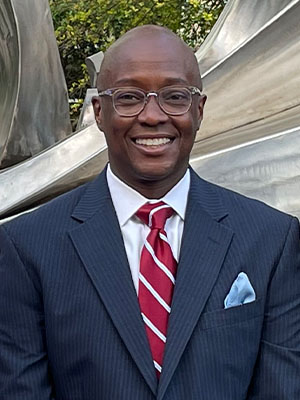
Marcel McCrea

Tylisa Crawford
Responsibilities of Dog Owners in Charlotte
Dog owners have a legal and ethical duty to prevent their pets from causing harm. Measures to reduce the risk of attacks include:
- Using secure fencing and gates to prevent dogs from escaping.
- Keeping dogs on a leash in public areas, particularly where foot traffic is high.
- Providing proper training and socialization to reduce aggressive behavior.
- Closely supervising dogs around children, the elderly, or other vulnerable individuals.
- Warning neighbors or visitors if a dog has previously displayed aggressive tendencies.
Failure to meet these responsibilities can significantly strengthen a victim’s claim and increase the likelihood of full compensation.
Immediate Steps After a Dog Bite
Victims of dog bites should take immediate and careful steps to protect their health and legal rights:
- Seek medical attention promptly to document the injury and prevent infection.
- Notify local authorities, including animal control, to create an official record of the incident.
- Collect evidence such as photographs of injuries, eyewitness accounts, and details of the dog owner.
- Maintain records of medical treatment, communications with the dog owner, and any lost wages due to the injury.
- Consult with an experienced attorney like those at ClearView Legal to review your case and discuss options for pursuing compensation.
Acting quickly preserves critical evidence and strengthens the case, especially if the injury requires long-term care.
I have worked and referred cases to Attorney Marcel McCrea in Charlotte, North Carolina, for a number of years. His zealous advocacy, keen attention to details, and client care are particularly noteworthy. He has been especially helpful in some complicated personal injury matters that I have referred to his firm. I highly recommend Marcel McCrea and ClearView Legal for anyone looking for excellent attorneys.” - Frantz Jacques ClearView Legal do great work. When I had my car accident they were very diligent in showing me the process. They took care of all the necessary paperwork and negotiation in my personal injury claim. They were both passionate and determined to get me my settlement. I am eternally grateful. Definitely 5 star lawyers in my book." - Osmund Marcellin I was recently injured in a car accident. I hired Attorney Marcel McCrea of ClearView Legal in Charlotte, NC to help me with my personal injury matter and to recover for my medical bills, lost wages, and pain and suffering. - S. Jackson
Before hiring the firm, I tried to negotiate with the insurance company on my own and got no where. Marcel McCrea did an excellent job and helped me to recover much more than I expected. Marcel and his staff exceeded my expectations and provided great customer service. I highly recommend the firm!"
Potential Compensation for Victims
Victims may recover compensation for a wide range of damages related to dog bites:
- Immediate medical care, including emergency treatment and hospitalization.
- Ongoing rehabilitation, physical therapy, or medical procedures.
- Lost income if injuries prevent work or reduce earning capacity.
- Pain, suffering, and emotional distress caused by the incident.
- Future medical expenses for permanent injuries or long-term treatment.
A lawyer’s guidance ensures that all potential damages are considered and appropriately documented to maximize recovery.
I have worked and referred cases to Attorney Marcel McCrea in Charlotte, North Carolina, for a number of years. His zealous advocacy, keen attention to details, and client care are particularly noteworthy. He has been especially helpful in some complicated personal injury matters that I have referred to his firm. I highly recommend Marcel McCrea and ClearView Legal for anyone looking for excellent attorneys.” - Frantz Jacques ClearView Legal do great work. When I had my car accident they were very diligent in showing me the process. They took care of all the necessary paperwork and negotiation in my personal injury claim. They were both passionate and determined to get me my settlement. I am eternally grateful. Definitely 5 star lawyers in my book." - Osmund Marcellin I was recently injured in a car accident. I hired Attorney Marcel McCrea of ClearView Legal in Charlotte, NC to help me with my personal injury matter and to recover for my medical bills, lost wages, and pain and suffering. - S. Jackson
Before hiring the firm, I tried to negotiate with the insurance company on my own and got no where. Marcel McCrea did an excellent job and helped me to recover much more than I expected. Marcel and his staff exceeded my expectations and provided great customer service. I highly recommend the firm!"
Insurance Considerations and Legal Action
Many dog owners have homeowner or renter insurance that covers liability for dog bites. Engaging an attorney helps victims navigate insurance claims, negotiate settlements, and challenge low or unfair offers. Insurance companies may attempt to minimize payouts, making professional legal support essential. Legal action may involve negotiating with insurers, filing a claim against the owner, and, if necessary, pursuing a court case to recover full damages. ClearView Legal offers experienced representation to guide victims through this process efficiently.
How a Charlotte Attorney Can Help
An attorney specializing in dog bite cases brings significant advantages:
- Knowledge of Mecklenburg County courts and legal procedures.
- Expertise in North Carolina dog bite law and liability standards.
- Experience handling insurance negotiations and settlement discussions.
- Assistance with evidence collection, documentation, and medical records.
- Representation in court if negotiations fail or a trial is necessary.
Early engagement with a lawyer can reduce stress, ensure deadlines are met, and increase the likelihood of favorable outcomes.
Preventing Future Incidents
While victims cannot control another dog’s behavior, preventive steps can reduce risk:
- Avoid approaching unfamiliar dogs or those displaying aggressive behavior.
- Educate children about safe interactions with pets and boundaries around animals.
- Encourage dog owners to properly socialize, train, and supervise pets.
- Maintain vigilance in neighborhoods, parks, and outdoor events during spring and summer.
Public awareness, education, and responsible pet ownership are crucial for reducing the incidence of bites and fostering a safer community in Charlotte.
Recognizing When Legal Assistance is Needed
Victims should consult an attorney if:
- Medical treatment was necessary or injuries are severe.
- Insurance negotiations are uncooperative or insufficient.
- Liability is contested by the dog owner.
- The injury has long-term or permanent effects requiring ongoing care.
Seeking professional advice ensures victims understand their rights, deadlines, and legal options, ultimately protecting their ability to recover compensation.
Dog bites can result in significant injuries and complex legal matters. ClearView Legal has extensive experience assisting victims in Charlotte, helping them navigate the legal process, document injuries, and pursue compensation for medical bills, lost income, and emotional distress. Contact us to schedule a free consultation and learn how we can protect your rights and guide you through recovery.
Disclaimer: This information is for general purposes only and is not legal advice. Consult an attorney about your specific circumstances.
To learn more about this subject click here: North Carolina Dog Bite Laws: Children as Victims and Defendants

 |
 |