
Liability for a Thanksgiving travel accident in North Carolina usually depends on whether a driver or another party failed to use reasonable care and caused your injuries. Speeding, distracted driving, unsafe lane changes, and following too closely may all support a negligence claim. North Carolina also follows a contributory negligence rule, which can prevent recovery when your own negligence contributed to the injury, subject to limited exceptions.
If you were injured while traveling through Charlotte, North Carolina, Mecklenburg County, or nearby areas, preserving evidence and understanding the applicable legal deadlines can help protect your claim. ClearView Legal can review the circumstances of a collision and explain your potential legal options.
Why Thanksgiving Travel Accidents Raise Liability Questions
Thanksgiving trips often involve busy highways, changing travel plans, and drivers unfamiliar with local routes. Motorists traveling on I-77, I-85, or I-485 around Charlotte may encounter sudden congestion and frequent lane changes.
The holiday itself does not decide who is responsible. The key questions are what each person did, whether those actions were negligent, and whether the negligence caused an injury.
Who Can Be Liable for a Thanksgiving Car Accident?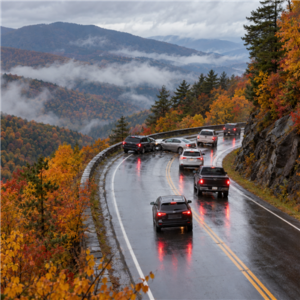
The legally responsible party depends on the facts of the collision. A careful investigation may identify one or several potentially responsible people or businesses.
1. Negligent Drivers
A driver may be liable when careless driving causes a collision and resulting losses. Examples include:
- Driving too fast for the road or traffic conditions
- Texting or looking away from the road to check directions
- Following another vehicle too closely
- Failing to yield or obey a traffic signal
- Changing lanes without checking for nearby vehicles
For example, a driver on I-485 who fails to slow for stopped traffic may be responsible for injuries caused by a rear-end crash. The surrounding evidence still matters. Learn more on our Charlotte car accident lawyers page:
https://clearview.legal/charlotte-car-accident-lawyers/
2. Commercial Truck Drivers and Trucking Companies
A commercial driver may cause an accident through distraction, fatigue, speeding, or an unsafe maneuver. A trucking company can sometimes face liability for its own negligence, such as unsafe maintenance practices or negligent hiring, or for an employee acting within the scope of employment.
Vehicle data, inspection records, driver logs, and employment records may help determine responsibility. See our Charlotte truck accident attorneys page:
https://clearview.legal/charlotte-truck-accident-attorneys/
3. Rideshare Drivers and Other Motorists
If an Uber or Lyft vehicle is involved, fault still depends on the conduct that caused the crash. Available insurance coverage may also depend on whether the rideshare driver was offline, awaiting a trip request, or engaged in a trip.
Trip records, insurance documents, and witness statements may clarify the available coverage. Read our Charlotte rideshare accident attorneys page:
https://clearview.legal/charlotte-rideshare-accident-attorneys/
How Is Fault Determined After a Holiday Crash?
In a typical negligence case, an injured person must establish a duty of reasonable care, a breach of that duty, a causal link between the breach and the injuries, and legally recognized damages.
Useful evidence may include:
- Photographs of vehicles, the roadway, and visible injuries
- Witness contact information and statements
- Crash reports, available video footage, and vehicle data
- Medical records and proof of expenses or missed work
A traffic citation can be relevant, but it does not automatically establish civil liability.
How Does North Carolina Contributory Negligence Affect Your Claim?
North Carolina generally applies contributory negligence rather than comparative fault. If your own negligence contributed to the injury, you may be barred from recovering ordinary negligence damages even if another driver was more at fault.
An insurance adjuster saying that you share fault does not make that allegation legally correct. The evidence and applicable legal doctrines control the analysis. In limited circumstances, the last clear chance doctrine may allow recovery despite contributory negligence when its specific elements are proven.
A fault allegation is not the final answer. The details of how the collision happened matter.
Can Multiple Parties Share Responsibility?
Yes. Two or more drivers may act negligently in the same collision. A multi-vehicle crash on I-85 might involve an unsafe lane change by one driver and inadequate following distance by another.
North Carolina does not generally use a comparative-fault percentage system to reduce an injured claimant’s ordinary negligence damages. A claim involving several defendants needs a fact-specific review of causation and applicable defenses.
What If Road Conditions Contributed to the Accident?
Road debris, damaged pavement, construction activity, or malfunctioning traffic controls may contribute to an accident. Liability does not automatically fall on the government or a road contractor merely because a hazard existed.
Claims involving public agencies may involve immunity, notice requirements, and special procedures. A private contractor may be responsible when negligent work creates a dangerous condition that causes an injury. Drivers also have a duty to use reasonable care under foreseeable road conditions.
What Compensation May Be Available?
If your claim is legally valid, the damages supported by your evidence may include:
- Past and reasonably expected future medical costs
- Lost wages and reduced earning capacity
- Physical pain and suffering
- Qualifying emotional distress
- Vehicle damage and other covered property losses
The amount that may be recovered depends on the injuries, evidence, liability defenses, available coverage, and other facts. No particular result or settlement amount can be promised.
What Should You Do After a Thanksgiving Travel Accident?
Protect your health first. Call emergency services when necessary and move to a safer position if you can do so without increasing the danger.
- Get medical attention and follow treatment recommendations.
- Photograph the scene and obtain witness information when safe.
- Exchange contact and insurance details with the other drivers.
- Keep medical records, receipts, and documentation of missed work.
- Notify the appropriate insurer with accurate factual information and avoid guessing about fault.
- Review any proposed settlement release carefully before signing.
North Carolina requires drivers to report certain crashes involving injury, death, or qualifying property damage. Prompt documentation can also help preserve evidence.
How Long Do You Have to File a Claim in North Carolina?
Under North Carolina General Statutes § 1-52, many personal injury lawsuits are subject to a three-year limitations period, often measured from the date of the crash. Under § 1-53(4), a wrongful death lawsuit generally must be filed within two years of the date of death.
Different rules, accrual dates, and procedures can apply in some circumstances, including certain claims involving public entities. Speaking with an insurer does not automatically extend a lawsuit filing deadline.
Official statutory references:
https://www.ncleg.gov/EnactedLegislation/Statutes/HTML/BySection/Chapter_1/GS_1-52.html
https://www.ncleg.gov/enactedlegislation/statutes/html/bysection/chapter_1/gs_1-53.html
Frequently Asked Questions About Thanksgiving Travel Accidents
Is a driver who rear-ends another car always liable?
No. Following too closely may be negligent, but the full circumstances, including traffic movements and other drivers’ conduct, determine liability.
Can an out-of-state driver be liable for a North Carolina crash?
Yes. A driver visiting North Carolina can face a negligence claim for a collision in the state. Jurisdiction and insurance issues may require additional review.
Does heavy holiday traffic excuse distracted driving?
No. Drivers must continue to use reasonable care, including adjusting their speed and attention to traffic conditions.
Can an injured passenger bring a claim?
A passenger may pursue a claim against a negligent party when the evidence and applicable law support recovery. Insurance coverage and legal defenses depend on the circumstances.
Speak With a Charlotte Car Accident Attorney About Your Legal Options
After a Thanksgiving travel accident, you may have questions about medical bills, time away from work, and the evidence needed to pursue compensation. ClearView Legal serves injured people in Charlotte, North Carolina, and nearby communities. Attorney Marcel McCrea and the team can review your situation, explain applicable legal issues, and help you consider your options.
Visit our contact page to request a consultation:
https://clearview.legal/contact-us/
This article provides general information and is not legal advice. Reading it does not create an attorney-client relationship.

 |
 |