
When a loose dog bites your child during trick-or-treating in North Carolina, the owner may be responsible for the injuries. Liability can depend on whether the dog meets the state’s dangerous-dog definition, whether the owner violated restraint requirements, and whether the owner failed to use reasonable care. You can protect your child’s health and potential claim by seeking medical attention, reporting the bite, and preserving evidence. Families in Charlotte, North Carolina, and nearby communities can speak with a dog bite attorney about the circumstances and possible compensation.
Who May Be Liable for a Halloween Dog Bite?
A dog owner is not automatically responsible for every dog bite in North Carolina. A claim may be based on a dangerous-dog statute, a violation of an applicable restraint law, or negligent handling of the animal. A homeowner or another responsible party may also require investigation depending on who controlled the dog and the property.
Consider a child approaching a home displaying Halloween decorations. When the front door opens, a dog runs outside and bites the child. Relevant questions include whether the dog had behaved aggressively before, whether the homeowner knew it might rush through the doorway, and what steps were taken to keep visitors safe.
- The dog’s prior behavior and the owner’s knowledge of any risk.
- Whether a gate, door, fence, leash, or other restraint was used appropriately.
- Whether the owner violated a local animal control rule.
- Witness accounts, video footage, and the location of the bite.
- Medical documentation connecting the attack to the child’s injuries.
A Charlotte dog bite attorney can examine these facts and identify the legal theories supported by the evidence.

Marcel McCrea
Attorney

Tylisa Crawford
Paralegal
How North Carolina Dangerous-Dog Laws Affect Liability
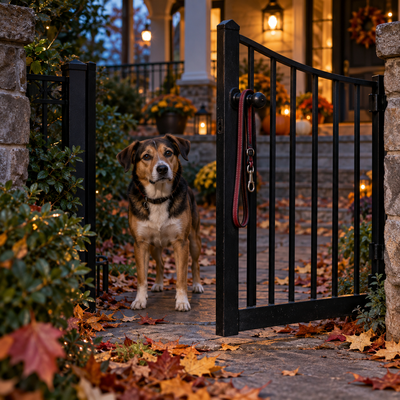
North Carolina General Statute § 67-4.4 makes the owner of a dog that qualifies as dangerous under state law strictly liable for injuries or property damage the dog causes. Strict liability under this statute does not require proof of ordinary negligence, but the statutory definition and any applicable exclusions still matter.
Section 67-4.1 describes the relevant definitions and procedures. A potentially dangerous dog may include one that has caused specified serious injuries in an unprovoked attack or has engaged in certain other conduct, as determined under the law. A bite alone does not necessarily establish that a dog is legally dangerous. State law also identifies exclusions for particular circumstances, such as certain trespassing and provocation situations.
You can read the applicable statutes at North Carolina dangerous dog definitions and North Carolina dangerous dog liability law.
A dog does not need a previous bite on record for every possible liability theory. The owner’s actions and the facts of the incident remain central to the analysis.
Do Leash Laws Apply on Halloween in Charlotte?
Yes. Halloween does not suspend the City of Charlotte and Mecklenburg County animal restraint rules. Local guidance generally requires animals to be leashed or appropriately contained, with specific conditions for a dog controlled by an adult on its own property. Dogs being walked in neighborhoods and public parks generally must be on a leash and under physical restraint.
North Carolina General Statute § 67-12 separately addresses dogs older than six months running at large at nighttime without an authorized accompanying person. It imposes civil liability for resulting injuries when the statutory requirements, including an intentional, knowing, and willful violation, are met. A leash-law violation does not, by itself, prove every element of every dog bite claim.
For official rules, see Mecklenburg County animal ordinance and North Carolina leash law.
What Should Parents Do Immediately After a Dog Bite?
Your child’s safety and medical care come first. A dog bite can cause puncture wounds, infection, damage beneath the skin, and lasting scars. If the injuries are serious or the dog remains a threat, seek emergency assistance.
- Move your child to a safe location away from the dog.
- Gently clean the wound with soap and running water, and apply pressure to bleeding with a clean cloth.
- Arrange prompt medical evaluation, especially for deep wounds, punctures, facial injuries, or infection concerns.
- Ask for the dog owner’s identity and available rabies vaccination information.
- Report the bite to Charlotte-Mecklenburg Animal Care and Control through its official reporting channels.
- Photograph the injuries and scene, and save witness contact details or available video.
- Keep discharge instructions, medical bills, receipts, and communications about the attack.
A clinician can determine whether your child needs antibiotics, tetanus protection, rabies exposure assessment, or follow-up care. Follow the clinician’s instructions, and report any worsening symptoms.
Related Videos
Choosing a Personal Injury Attorney
Personal Injury Case Case Timeline
What Compensation May Be Available for Your Child?
If liability is established, recoverable damages may include current and future medical expenses, pain and suffering, scarring or disfigurement, and emotional harm supported by evidence. The type and amount of damages depend on the facts, applicable law, and proof of loss.
- Emergency treatment, follow-up care, medication, and rehabilitation.
- Necessary treatment for permanent scarring or disfigurement.
- Physical pain, limitations, and documented emotional effects.
- Reasonably supported future treatment expenses.
The child’s injury claim and a parent’s possible claim for medical expenses may involve different legal rights and deadlines. A Charlotte personal injury attorney can review those distinctions.
Can Homeowners or Renters Insurance Pay for a Dog Bite?
Some homeowners and renters insurance policies provide liability coverage for dog bite incidents. Whether coverage applies depends on the policy terms, exclusions, insured parties, and circumstances. The insurer may investigate the dog’s history, how the bite occurred, and the injuries claimed.
Before resolving a minor’s claim, families should seek legal advice. North Carolina procedures may require court approval of a settlement involving a child.

I have worked and referred cases to Attorney Marcel McCrea in Charlotte, North Carolina, for a number of years. His zealous advocacy, keen attention to details, and client care are particularly noteworthy. He has been especially helpful in some complicated personal injury matters that I have referred to his firm. I highly recommend Marcel McCrea and ClearView Legal for anyone looking for excellent attorneys.”
- Frantz Jacques
ClearView Legal do great work. When I had my car accident they were very diligent in showing me the process. They took care of all the necessary paperwork and negotiation in my personal injury claim. They were both passionate and determined to get me my settlement. I am eternally grateful. Definitely 5 star lawyers in my book."
- Osmund Marcellin
I was recently injured in a car accident. I hired Attorney Marcel McCrea of ClearView Legal in Charlotte, NC to help me with my personal injury matter and to recover for my medical bills, lost wages, and pain and suffering.
Before hiring the firm, I tried to negotiate with the insurance company on my own and got no where. Marcel McCrea did an excellent job and helped me to recover much more than I expected. Marcel and his staff exceeded my expectations and provided great customer service. I highly recommend the firm!"
- S. Jackson
Can the Dog Owner Say the Child Caused the Bite?
North Carolina’s contributory negligence doctrine can affect certain negligence claims. The child’s age and capacity are especially relevant. Children under seven are generally treated as incapable of contributory negligence. For children ages seven through fourteen, a rebuttable presumption of incapacity generally applies. The analysis for older minors depends on their age, experience, and circumstances.
A child who approaches a decorated home to ask for candy is not automatically trespassing or acting negligently. Facts such as an invitation to approach, posted warnings, the child’s conduct, and the dog’s behavior may influence the case. Statutory dangerous-dog exclusions also require separate review.
How Long Do Families Have to File a Claim in North Carolina?
North Carolina General Statute § 1-52 generally sets a three-year period for many personal injury actions. Section 1-17 can extend the time to bring certain claims belonging to a minor because of the legal disability of minority. The extension does not necessarily apply to a parent’s separate claims, and exceptions or other timing rules may change the analysis.
Seek advice promptly rather than assuming that time remains available. Security footage can be overwritten, witnesses can become difficult to locate, and property conditions can change.
Review the statutory text at North Carolina injury filing deadline and North Carolina tolling rule for minors.

Frequently Asked Questions About Halloween Dog Bites
Can an owner be liable if the dog never bit anyone before?
Yes. A prior bite is not required for every negligence or restraint-law theory. Whether liability exists depends on the applicable law and the available evidence.
What if the bite happens on the homeowner’s porch?
The location alone does not decide liability. The homeowner’s invitation to visitors, the dog’s conduct, and reasonable safety precautions may all matter.
What if the dog owner refuses to provide vaccination records?
Report the incident to animal control and follow your child’s medical guidance. Animal control and public health authorities can assess the circumstances and appropriate next steps.
Can a child recover compensation for a permanent scar?
Potentially. Scarring, disfigurement, medically necessary treatment, and related consequences may be recoverable when supported by evidence and the applicable liability theory.
I have worked and referred cases to Attorney Marcel McCrea in Charlotte, North Carolina, for a number of years. His zealous advocacy, keen attention to details, and client care are particularly noteworthy. He has been especially helpful in some complicated personal injury matters that I have referred to his firm. I highly recommend Marcel McCrea and ClearView Legal for anyone looking for excellent attorneys.”
- Frantz Jacques
ClearView Legal do great work. When I had my car accident they were very diligent in showing me the process. They took care of all the necessary paperwork and negotiation in my personal injury claim. They were both passionate and determined to get me my settlement. I am eternally grateful. Definitely 5 star lawyers in my book."
- Osmund Marcellin
I was recently injured in a car accident. I hired Attorney Marcel McCrea of ClearView Legal in Charlotte, NC to help me with my personal injury matter and to recover for my medical bills, lost wages, and pain and suffering.
Before hiring the firm, I tried to negotiate with the insurance company on my own and got no where. Marcel McCrea did an excellent job and helped me to recover much more than I expected. Marcel and his staff exceeded my expectations and provided great customer service. I highly recommend the firm!"
- S. Jackson
Talk With a Charlotte Dog Bite Attorney About Your Child’s Injuries
After a Halloween dog bite, you deserve clear answers about your child’s treatment, potential legal claim, and the evidence needed to evaluate responsibility. ClearView Legal assists families with personal injury matters in Charlotte, North Carolina, Mecklenburg County, and nearby areas. Attorney Marcel McCrea and the team focus on clear communication and individual case evaluation.
Visit Clearview Legal contact page to discuss the incident with ClearView Legal and request a consultation.
This article provides general information, not legal advice. An attorney can assess the law and facts that apply to your situation.

 |
 |