
Slip and fall accidents can happen anywhere, and they often result in injuries ranging from minor bruises to severe fractures. In Iredell County, North Carolina, slip and fall cases are not uncommon, and when they lead to legal disputes, the role of expert witnesses becomes crucial. These professionals play a vital role in determining liability and helping the court make informed decisions. In this article, we will explore the significance of expert witnesses in Iredell County slip and fall cases, their requirements, and their impact on the legal process.
Understanding Slip and Fall Cases in Iredell County
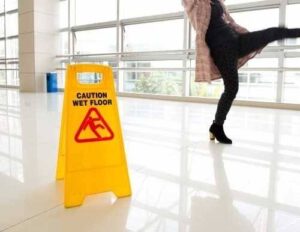
Before delving into the role of expert witnesses, it’s essential to understand the context of slip and fall cases in Iredell County. These accidents can occur in various settings, including:
- Retail Stores: Shoppers can slip and fall due to wet floors, uneven surfaces, or cluttered aisles.
- Restaurants: Spilled liquids, food debris, or poorly maintained flooring can lead to slip and fall incidents.
- Public Places: Parks, sidewalks, and government-owned properties can also be the site of slip-and-fall accidents.
- Private Residences: Visitors or tenants may experience slip and fall accidents due to inadequate maintenance.
When these accidents occur, it can be challenging to determine liability. Was the property
owner negligent in maintaining a safe environment, or was the injured party careless? Expert witnesses can help answer these questions.
The Role of Expert Witnesses
Expert witnesses are individuals with specialized knowledge and expertise in a particular field. In slip-and-fall cases, their role is to provide professional opinions and insights based on their expertise, which can help the court make informed decisions. Here are some key roles that expert witnesses play in Iredell County slip and fall cases:
- Establishing Standard of Care: Expert witnesses can define the standard of care expected in a particular setting. For instance, in a retail store, they can explain how often floors should be cleaned to maintain a safe environment.
- Evaluating Negligence: These experts can assess whether the property owner or manager was negligent in fulfilling their duty of care. They can identify hazards, maintenance lapses, or safety violations that contributed to the accident.
- Assessing Causation: Expert witnesses can link the hazardous condition to the plaintiff’s injuries. They provide insight into how the accident likely occurred and the extent of the harm caused.
- Quantifying Damages: In slip and fall cases, expert witnesses may also calculate the economic damages incurred by the injured party. This includes medical expenses, lost wages, and future rehabilitation costs.
- Providing Expert Testimony: During court proceedings, expert witnesses are called upon to testify and present their findings. Their testimony can carry significant weight in the case’s outcome.
Requirements for Expert Witnesses in Iredell County
To serve as an expert witness in Iredell County slip and fall cases, individuals must meet specific requirements. These requirements ensure that the expert is qualified and can provide valuable insights to the court. Some of the essential criteria for expert witnesses in North Carolina include:
- Education and Training: Expert witnesses must have relevant education and training in their field of expertise. For example, a slip and fall expert should have a background in premises safety, building codes, or property maintenance.
- Experience: Courts typically prefer expert witnesses with substantial experience in their field. The more cases an expert has worked on, the more credible their testimony may be.
- Impartiality: Expert witnesses are expected to be impartial and unbiased. They should not have any personal or financial interest in the outcome of the case.
- Licensing and Certification: Some fields require specific licenses or certifications. Expert witnesses should have the necessary credentials to testify in court.
- Knowledge of Local Laws: In Iredell County, it’s crucial for expert witnesses to have a solid understanding of local laws and regulations related to premises liability and personal injury cases.
- Admissibility of Evidence: The expert’s testimony and evidence presented must be admissible in court. Their findings should be based on reliable principles and methods.
- Communication Skills: Expert witnesses must effectively communicate their findings and opinions to the judge and jury. Clear and concise communication is essential in making their testimony impactful.
The Impact of Expert Witnesses on Slip and Fall Cases
The presence of expert witnesses in slip and fall cases can significantly impact the outcome. Here’s how:
- Clarity and Understanding: Expert witnesses help the court and jury understand complex technical aspects of a case. They break down the issues into understandable terms, making it easier for everyone involved to grasp the key points.
- Credibility: Well-qualified expert witnesses enhance the credibility of the plaintiff’s case. Their impartial and professional opinions can sway the jury in favor of the injured party.
- Settlement Negotiations: The involvement of expert witnesses can lead to favorable settlement negotiations. When the opposing party recognizes the strength of the expert’s testimony, they may be more inclined to settle rather than go to trial.
- Case Strategy: Expert witnesses assist attorneys in forming their case strategy. They provide valuable insights into the strengths and weaknesses of the case and help attorneys determine the best course of action.
- Favorable Verdicts: In many instances, the testimony of expert witnesses has led to favorable verdicts for plaintiffs in slip and fall cases. Their expertise can be the determining factor in holding negligent parties accountable.
Expert Witnesses: A Vital Component of Slip and Fall Cases
In the legal realm, expert witnesses are more than just professionals with specialized knowledge; they serve as the bridge between the complexities of a case and the understanding of the court and jury. Their presence and contributions extend beyond the courtroom and have a far-reaching impact on various aspects of slip and fall cases in Iredell County.
- Ensuring Justice and Fairness
One of the fundamental principles of the legal system is to ensure justice and fairness for all parties involved. Expert witnesses play a pivotal role in upholding this principle. By providing unbiased, evidence-based insights, they help level the playing field in slip and fall cases. This is particularly important when facing property owners or insurance companies with significant resources.
In many instances, property owners or their insurance providers may attempt to downplay their liability, shift blame onto the injured party, or undervalue the damages. Expert witnesses, armed with their knowledge and experience, act as a counterbalance to such tactics. They present facts and objective assessments that can prevent injustice and ensure that those who are genuinely responsible are held accountable.
- Promoting Safety and Preventing Future Accidents
The involvement of expert witnesses in slip and fall cases serves as a catalyst for change. When negligence or hazardous conditions are identified and exposed through expert testimony, property owners and managers often take immediate steps to rectify the situation. This proactive approach can lead to improved safety measures and a reduced risk of future accidents on the premises.
For instance, if an expert witness reveals that a retail store’s failure to maintain proper lighting led to a slip and fall incident, the store may invest in better lighting to prevent similar accidents in the future. In this way, expert witnesses contribute to the broader goal of promoting safety within the community.
- Educating the Public and Legal Community
Slip and fall cases often involve intricate details related to premises liability, building codes, and safety standards. Expert witnesses not only educate the court and jury but also educate the public and the legal community at large. Their testimony sheds light on the importance of adhering to safety regulations and maintaining property in a condition that minimizes risks.
By doing so, expert witnesses indirectly contribute to the prevention of accidents. Their work fosters a culture of accountability and responsibility among property owners, encouraging them to prioritize safety and maintenance. In turn, this can lead to a safer environment for everyone in Iredell County.
Expert witnesses are integral to slip and fall cases in Iredell County, North Carolina. Their experience and qualifications play a pivotal role in establishing liability, assessing damages, and ensuring a fair legal process. If you or a loved one has been injured in a slip and fall accident in Iredell County, seeking the assistance of experienced attorneys who can engage qualified expert witnesses may be crucial in obtaining the compensation you deserve.
Don’t navigate the complex legal landscape of slip and fall cases alone. Contact ClearView Legal today to discuss your case with our knowledgeable team of attorneys. We have a proven track record of success in handling slip and fall cases in Iredell County, and we are ready to advocate for your rights. Your initial consultation is free, so take the first step towards justice by reaching out to us today. Your well-being and financial recovery are our top priorities.

 |
 |