


The Hidden Dangers of Pedestrian Accidents
When a pedestrian is struck by a vehicle, the injuries sustained can vary widely depending on several factors, including the vehicle’s speed, the point of impact, and how the body reacts to the collision. Common injuries include broken bones, head trauma, spinal injuries, internal injuries, and soft tissue damage. However, the most concerning aspect of these accidents is that many injuries may not show immediate symptoms. This is why it’s crucial to see a doctor as soon as possible after the accident. Some injuries, such as internal bleeding or organ damage, may not be immediately obvious. These conditions can worsen over time, becoming life-threatening if left untreated. Similarly, brain injuries, like concussions or other types of head trauma, might not present symptoms until hours or even days after the accident. By seeking medical attention immediately, you give yourself the best chance to detect and treat these potentially serious conditions before they turn into something far more dangerous.The Role of Medical Records in Your Legal Case
In North Carolina, the legal process following a pedestrian accident can be complicated, especially if you plan to pursue compensation for your injuries. One of the most important aspects of any personal injury case is proving that your injuries were caused by the accident. This is where medical records play a crucial role.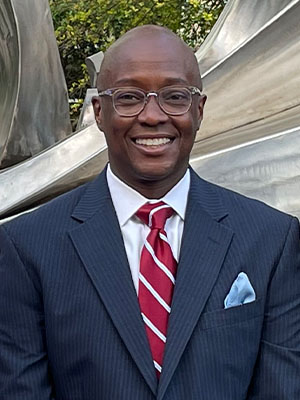
Marcel McCrea
Attorney

James A. Noel
Attorney

Tylisa Crawford
Paralegal
What to Expect During Medical Evaluation After an Accident
After a pedestrian accident, a medical professional will typically conduct a series of evaluations to assess your injuries. This might include physical exams, imaging tests like X-rays or MRIs, and blood tests to check for internal injuries. For injuries that may not be immediately visible, these tests are essential for providing valuable insight into your condition. Even if you feel fine after the accident, it’s still important to see a doctor. Adrenaline and shock can mask pain, causing you to believe you’re not injured. Many people think they simply need rest, but without proper evaluation, it’s impossible to be sure. The initial visit to the doctor might involve a thorough check-up, and depending on what is found, you might be referred to specialists for further treatment or therapy.
I have worked and referred cases to Attorney Marcel McCrea in Charlotte, North Carolina, for a number of years. His zealous advocacy, keen attention to details, and client care are particularly noteworthy. He has been especially helpful in some complicated personal injury matters that I have referred to his firm. I highly recommend Marcel McCrea and ClearView Legal for anyone looking for excellent attorneys.”
- Frantz Jacques
ClearView Legal do great work. When I had my car accident they were very diligent in showing me the process. They took care of all the necessary paperwork and negotiation in my personal injury claim. They were both passionate and determined to get me my settlement. I am eternally grateful. Definitely 5 star lawyers in my book."
- Osmund Marcellin
I was recently injured in a car accident. I hired Attorney Marcel McCrea of ClearView Legal in Charlotte, NC to help me with my personal injury matter and to recover for my medical bills, lost wages, and pain and suffering.
Before hiring the firm, I tried to negotiate with the insurance company on my own and got no where. Marcel McCrea did an excellent job and helped me to recover much more than I expected. Marcel and his staff exceeded my expectations and provided great customer service. I highly recommend the firm!"
- S. Jackson
Long-Term Health Impacts of Not Seeking Immediate Medical Attention
Failing to seek medical care after a pedestrian accident can result in long-term health problems. These could range from chronic pain and permanent disability to emotional trauma. For example, if a concussion goes undiagnosed, it may lead to cognitive impairments or neurological issues that affect your daily life. Similarly, fractures that aren’t treated properly may heal incorrectly, leading to lifelong pain or mobility issues. Psychological effects, such as anxiety or PTSD, are also common after pedestrian accidents, especially if the accident was traumatic. These issues may not become apparent right away, but they can severely impact your mental and emotional health over time. Seeking early intervention from a medical or mental health professional can greatly improve your recovery and ability to move forward.How Seeking Medical Attention Strengthens Your Legal Case
In addition to the physical and emotional benefits of medical care, prompt medical treatment also plays a significant role in strengthening your legal case. In personal injury cases, proving that your injuries were directly caused by the accident is often one of the biggest challenges. Without timely medical care, the opposing party may argue that your injuries were not a result of the accident but caused by something else. Insurance companies also use delays in seeking medical treatment to dispute claims. If you wait too long to get help, they might argue that your injuries weren’t as severe as you claim or that they weren’t sustained in the accident at all. By getting medical attention right away, you protect yourself from these types of arguments and ensure that your case remains strong.Related Videos
Choosing a Personal Injury Attorney
Personal Injury Case Case Timeline