
Car accidents can be distressing and complicated events, especially when it comes to determining fault. In Iredell County, North Carolina, the process of establishing responsibility for a car accident involves various factors and considerations. Understanding the key elements that play a role in determining fault is crucial for individuals involved in such incidents. This page will explore the essential aspects of establishing fault in a car accident in Iredell County, helping residents navigate the aftermath with confidence.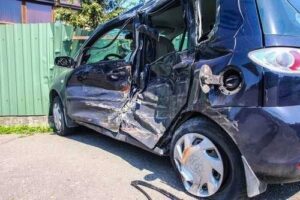
Traffic Laws and Regulations
In Iredell County, as in any other jurisdiction, adherence to traffic laws and regulations is fundamental in determining fault. The North Carolina Department of Transportation outlines specific rules and guidelines that drivers must follow. Violating these laws can contribute significantly to the assignment of fault in an accident. Common violations include speeding, running red lights, and failure to yield.
Police Reports
One of the primary documents used in determining fault is the police report filed at the scene of the accident. Law enforcement officers gather information from witnesses, drivers involved, and the scene itself to compile an accurate account of the events leading up to the collision. While the police report is not definitive proof of fault, it is a crucial piece of evidence that insurance companies and courts often use during investigations.
Eyewitness Testimonies
Eyewitness accounts can play a crucial role in establishing fault. Individuals who witnessed the accident may be called upon to provide their version of events. Their testimonies can either support or challenge the information provided by the drivers involved, providing additional perspectives for a more comprehensive understanding of the incident.
Evidence from the Scene
Physical evidence from the accident scene, such as skid marks, vehicle damage, and the positioning of vehicles, can be invaluable in determining fault. Accident reconstruction specialists may be called in to analyze this evidence and recreate the sequence of events leading to the collision.
Traffic Violation Citations
If a driver is cited for a traffic violation in connection with the accident, it can strongly indicate fault. The citation serves as an official acknowledgment of the driver’s failure to adhere to traffic laws and can have significant implications in insurance claims and legal proceedings.
Insurance Claims and Statements
Insurance companies conduct their own investigations when processing claims. Statements provided by the involved parties, along with any supporting documentation, are thoroughly reviewed to determine fault. It’s essential for individuals to be cautious about the information they provide to insurance adjusters and seek legal advice if necessary.
Determining fault in a car accident in Iredell County, NC, is a complex process that involves various factors. Understanding the role of traffic laws, police reports, eyewitness testimonies, physical evidence, traffic violation citations, and insurance claims can empower individuals to navigate the aftermath of an accident more effectively. Seeking legal advice in complex cases is always advisable to ensure one’s rights are protected and to facilitate a fair resolution. In the unfortunate event of a car accident, being informed about the process of determining fault is crucial for a smoother and more just resolution.
How can ClearView Legal help you on Car Accident cases in Iredell County, NC
At ClearView Legal, we understand the challenges and complexities that arise in the aftermath of a car accident. If you find yourself involved in a collision in Iredell County, North Carolina, our experienced legal team is here to provide dedicated assistance and help you navigate the legal process. Here’s how ClearView Legal can be your ally in seeking justice and fair compensation after a car accident in Iredell County.
Experience in North Carolina Traffic Laws
Our legal professionals at ClearView Legal are well-versed in North Carolina traffic laws and regulations. We leverage this knowledge to analyze the circumstances surrounding your accident and determine the extent to which traffic violations or negligence may have contributed to the incident. Understanding the intricacies of local laws is crucial in building a strong case on your behalf.
Thorough Investigation and Evidence Gathering
We recognize the importance of a comprehensive investigation in establishing fault after a car accident. Our legal team diligently gathers evidence, reviews police reports, interviews witnesses, and works with accident reconstruction specialists to build a robust case. This meticulous approach allows us to present compelling arguments and support your claim for fair compensation.
Navigating Insurance Claims
Dealing with insurance companies can be a daunting task, and they may try to minimize payouts or shift blame. ClearView Legal is skilled in negotiating with insurance companies to ensure that your rights are protected. We help you navigate the claims process, providing the necessary documentation and information to support your case and maximize the compensation you deserve.
Representation in Court
If negotiations with insurance companies prove insufficient, our firm is prepared to take your case to court. With a team of experienced litigators, ClearView Legal advocates for your rights in the courtroom, presenting a compelling case to secure the best possible outcome for you.
Compassionate Client-Centered Approach
We understand the emotional and physical toll a car accident can take on individuals and their families. ClearView Legal is committed to providing compassionate and personalized legal representation. Our team communicates transparently with clients, keeping them informed at every stage of the legal process, and offering support during what can be a challenging time.
At ClearView Legal, we believe in championing the rights of those affected by car accidents in Iredell County, NC. Our firm combines legal experience, thorough investigation, and a client-centered approach to provide comprehensive assistance to individuals seeking justice and fair compensation. If you or a loved one has been involved in a car accident, trust ClearView Legal to be your dedicated legal partner, committed to securing the best possible outcome for your case.

 |
 |