
What is Comprehensive Coverage and How Does It Apply to Deer Strikes? 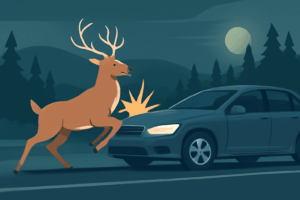
When you purchase auto insurance, one of the first decisions you’ll need to make is whether to include comprehensive coverage in your policy. Comprehensive insurance is often called “other than collision” coverage because it covers a range of incidents that are not caused by another vehicle. This includes damage from weather events like hail, fire, vandalism, and most importantly in this context—wildlife strikes, such as hitting a deer.
How Comprehensive Coverage Works in Deer-Related Accidents
If you have comprehensive coverage on your policy and hit a deer, your insurance should cover the damage to your vehicle caused by the collision. Unlike a typical collision with another vehicle, a deer strike is not due to another driver’s actions, but rather the presence of wildlife on the road. This means that, under your comprehensive policy, the damage to your vehicle would generally be covered by the insurance company, minus any deductible you have in place. Let’s break down how this works in practice:- Vehicle Damage: If you hit a deer and cause significant damage to your vehicle, your comprehensive coverage will typically cover the cost of repairs. This includes repairs to the vehicle’s body, windshield, and any other areas affected by the crash.
- Total Loss: In extreme cases where the vehicle is too damaged to repair and is deemed a total loss, your insurance company will pay the actual cash value (ACV) of the vehicle, which is the replacement cost minus depreciation.
- Deductibles: Comprehensive coverage will include a deductible, which is the amount you must pay out of pocket before the insurance company covers the remaining damage. It’s important to understand your deductible amount and how it will impact the claim. A higher deductible often results in lower monthly premiums but can result in a larger out-of-pocket expense in the event of a claim.
Does Uninsured Motorist (UM) Coverage Apply After a Deer Strike?
Uninsured Motorist (UM) coverage is a crucial aspect of auto insurance that protects you in cases where the other driver is at fault but doesn’t have insurance or cannot be identified in a hit-and-run accident. However, many people don’t realize that UM coverage can sometimes apply in more unusual situations, including when you are injured in a deer strike. While UM coverage traditionally applies to incidents involving other drivers, it can extend to cover bodily injury expenses resulting from accidents where there is no responsible party, as is often the case in deer-related collisions. Here’s how:How UM Coverage Can Help After a Deer Strike
If you are injured during a deer collision, UM coverage can help cover the medical expenses related to your injuries. Even though the accident was caused by a deer and not another driver, you can still benefit from UM coverage under the following circumstances:- Injury to the Driver or Passengers: If you or your passengers are injured in a deer strike, UM coverage can assist in covering medical bills, hospital stays, and other medical treatments.
- Loss of Wages: In some cases, if the injuries from a deer strike prevent you from working, UM coverage may help replace lost wages due to the accident, depending on your policy.
- No Other Responsible Party: If the deer strike causes significant damage to your vehicle but no other driver is involved (i.e., the deer was the sole cause), UM coverage may provide a safety net for those injured in the accident. UM coverage doesn’t cover property damage to the vehicle but may help with injury-related expenses.
Key Steps to Take After a Deer Strike in Mecklenburg or Cabarrus Counties
In the event of a deer strike, there are several key steps you should take to ensure that you are properly covered and that the situation is handled effectively. By acting quickly and methodically, you can streamline the claims process and reduce stress after an accident. Here’s a step-by-step guide:- Stop and Assess the Situation The first thing you should do after hitting a deer is to stop your vehicle safely. Turn on your hazard lights to warn other drivers of the accident. Make sure it’s safe to exit your vehicle. Look for any injuries to yourself and your passengers. If anyone is injured, immediately call 911 to report the accident and request medical help.
- Document the Accident Scene Take photos of the damage to your vehicle and the surrounding area. This documentation is essential for your insurance claim. You should also photograph the location where the accident occurred. If the deer is still on the road, take pictures of it and the area around it to document the scene in full.
- File a Police Report In North Carolina, a police report is not always required for accidents involving wildlife, but it is still a good idea to file a report, especially if the deer is obstructing the road. The police report can help provide official documentation for your insurance claim.
- Contact Your Insurance Provider Call your insurance provider as soon as possible after the accident. Notify them that you hit a deer and provide all the necessary details. Be prepared to provide information about the time, location, and any injuries sustained.
- Review Your Deductible and Coverage Understanding your deductible will help you determine whether it’s worth filing a claim. If the damage is minor, it may be better to pay for repairs out of pocket rather than paying the deductible. Your insurance agent will be able to advise you on the best course of action.
Does Your Insurance Cover All the Damage?
A common question following a deer-related accident is whether the insurance policy will cover all the damage, especially when the accident causes significant damage to the vehicle. While comprehensive coverage generally takes care of the vehicle damage, the extent of coverage depends on the specifics of your policy.- Total Loss vs. Repairs If the damage to your vehicle is so severe that it is considered a total loss, your comprehensive insurance will pay the Actual Cash Value (ACV) of the vehicle, minus your deductible. The ACV is determined by the insurer based on the vehicle’s age, condition, and market value.
- Collision Coverage If you do not have comprehensive coverage and only carry basic liability or collision coverage, your vehicle will not be covered for deer strikes. In such cases, your insurance will likely only cover damage caused by collisions with other vehicles, not wildlife.
- Injury and Medical Costs For injuries resulting from a deer strike, UM coverage will help with medical costs, but only if the injury meets the conditions of your policy. If the injury is severe, it’s essential to check if your UM coverage includes compensation for lost wages or ongoing medical treatment.
In conclusion, while deer strikes may seem like rare occurrences, they are actually quite common during the fall months in North Carolina, especially in Mecklenburg and Cabarrus counties. Understanding the nuances of your auto insurance, particularly how comprehensive coverage and Uninsured Motorist (UM) coverage apply, can make a significant difference in how you handle the aftermath of a deer collision. Comprehensive coverage will generally take care of the repairs to your vehicle in the event of a deer strike, and UM coverage can protect you if injuries occur. Always ensure that you are aware of your policy details, including your deductible, and take the appropriate steps after an accident to ensure that your claim is processed smoothly. At ClearView Legal, we understand how complex auto accident claims can be, especially when wildlife is involved. If you need assistance with your deer strike claim or any car accident-related issues, ClearView Legal offers free consultations to guide you through the process.