
As the colder months descend upon Charlotte, many drivers may notice a sharp increase in rear-end collisions on the city’s busy streets. At ClearView Legal, we often see a rise in cases related to these types of accidents during this time of year. While rear-end collisions can occur at any point, there are specific weather-related and behavioral factors that contribute to an uptick in accidents as temperatures drop. Understanding why this happens and how to stay safe can help reduce the risk of becoming involved in an accident. Let’s dive into why rear-end collisions are more common when the temperature drops in Charlotte, and how you can take proactive steps to stay safe on the roads.




Weather Conditions and Reduced Visibility 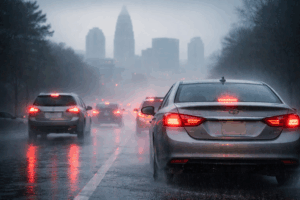
Charlotte’s temperate climate means that, while winters are usually mild, there are still enough cold spells, rain, and fog to create dangerous driving conditions. Weather conditions are one of the primary contributors to the rise in rear-end collisions during colder months. Below are some of the key weather-related factors that contribute to this increase:
- Fog and Mist: During the fall and winter months, early mornings often bring heavy fog or mist. The reduced visibility caused by fog makes it harder for drivers to see the brake lights of the vehicle in front of them, which increases the likelihood of rear-end collisions. Drivers may not have enough time to react if the car ahead suddenly slows down or comes to a stop.
- Rain and Wet Roads: Rain becomes more frequent during the colder months in Charlotte, causing roads to become slippery. When roads are wet, it becomes harder for vehicles to maintain grip, leading to longer stopping distances. Drivers may be unable to stop in time if traffic slows ahead of them, leading to rear-end crashes.
- Black Ice: The danger of black ice is heightened when temperatures hover just above freezing. Ice patches on the road are not always visible to drivers, and this makes braking and maintaining control of the vehicle more difficult. When a driver loses control due to slippery road conditions, rear-end collisions are more likely to occur.
- Reduced Stopping Distance: Cold weather can also affect the performance of tires, particularly if they are under-inflated or not properly maintained. In these conditions, stopping distances increase, and drivers may not be able to stop in time to avoid a collision.
Attorney Paralegal
Marcel McCrea

Tylisa Crawford
Driver Behavior in Cold Weather
While weather conditions contribute to the rise in rear-end collisions, driver behavior plays an equally important role. During the colder months, drivers often exhibit certain behaviors that make rear-end collisions more likely. These behaviors are often exacerbated by weather conditions, but they can be mitigated with awareness and caution. Some of the most common behaviors contributing to rear-end collisions during the colder months include:
- Tailgating: Many drivers follow too closely behind other vehicles, particularly when they feel rushed. Cold weather can exacerbate this behavior, as drivers may be eager to reach their destination quickly. Tailgating reduces the reaction time available in case the vehicle ahead needs to stop suddenly. This puts both drivers at risk, as a rear-end collision is more likely to occur when there is insufficient distance between vehicles.
- Inattention: The cold months bring with them a series of distractions. Drivers may be adjusting their heaters, wiping condensation from their windshields, or dealing with other winter-related tasks, which can divert their attention from the road. When drivers are distracted by these tasks, they are less likely to notice when traffic slows or stops ahead, increasing the risk of a rear-end collision.
- Speeding: Drivers tend to speed during the colder months, particularly when they are in a hurry. However, the cold weather can make it harder for drivers to slow down quickly. Speeding not only reduces a driver’s ability to react in time but also increases the force of impact in the event of a collision.
- Failure to Adjust Driving Habits: Many drivers fail to adjust their driving style to match the weather conditions. During the colder months, the roads are often slick, and visibility is reduced. Drivers who do not reduce their speed, increase their following distance, or adjust to these conditions are more likely to be involved in rear-end crashes.
Holiday Traffic and Increased Congestion
Another key factor contributing to the spike in rear-end collisions in Charlotte is the increase in traffic during the holiday season. With more people traveling to visit family and friends, Charlotte’s roadways become more crowded, especially on highways and local streets. This added congestion can lead to drivers tailgating, speeding, or making hasty decisions when navigating through traffic.
Additionally, drivers unfamiliar with the area may be more prone to mistakes, such as misjudging the flow of traffic or responding too slowly to changes in the road conditions. This is particularly true for visitors who are not accustomed to Charlotte’s traffic patterns or the city’s unique driving conditions. These mistakes, combined with the other contributing factors such as inclement weather and distracted driving, can lead to rear-end collisions.
I have worked and referred cases to Attorney Marcel McCrea in Charlotte, North Carolina, for a number of years. His zealous advocacy, keen attention to details, and client care are particularly noteworthy. He has been especially helpful in some complicated personal injury matters that I have referred to his firm. I highly recommend Marcel McCrea and ClearView Legal for anyone looking for excellent attorneys.” - Frantz Jacques ClearView Legal do great work. When I had my car accident they were very diligent in showing me the process. They took care of all the necessary paperwork and negotiation in my personal injury claim. They were both passionate and determined to get me my settlement. I am eternally grateful. Definitely 5 star lawyers in my book." - Osmund Marcellin I was recently injured in a car accident. I hired Attorney Marcel McCrea of ClearView Legal in Charlotte, NC to help me with my personal injury matter and to recover for my medical bills, lost wages, and pain and suffering. - S. Jackson
Before hiring the firm, I tried to negotiate with the insurance company on my own and got no where. Marcel McCrea did an excellent job and helped me to recover much more than I expected. Marcel and his staff exceeded my expectations and provided great customer service. I highly recommend the firm!"
How to Reduce the Risk of Rear-End Collisions
While rear-end collisions are more likely during the colder months, there are several steps drivers can take to reduce the risk of being involved in such accidents. By adjusting driving habits and taking extra precautions, you can significantly increase your safety on the road.
- Increase Following Distance: One of the simplest ways to avoid a rear-end collision is to leave plenty of space between you and the vehicle in front of you. The general rule is to keep at least one car length of space for every 10 mph you’re driving. However, in poor weather conditions, consider increasing this distance even further to give yourself more time to react if traffic slows or stops suddenly.
- Slow Down: Adjust your speed based on the weather conditions. On slippery or wet roads, it’s important to reduce your speed and drive cautiously. Speeding on wet or icy roads can cause your vehicle to lose control, making it harder to stop in time to avoid a crash.
- Avoid Distractions: In cold weather, it can be tempting to adjust your car’s heating system, clear your windows, or deal with other distractions while driving. However, taking your eyes off the road, even for a few seconds, can lead to accidents. Stay focused on the road and keep distractions to a minimum.
- Use Your Headlights: Visibility is often reduced during the colder months, especially in the early mornings and evenings. Use your headlights when driving in fog, rain, or snow to make yourself more visible to other drivers. This will also help you see the road ahead more clearly.
- Check Your Tires and Brakes: Cold weather can impact the performance of your vehicle. Make sure your tires are properly inflated and in good condition. Additionally, ensure that your brakes are functioning properly to allow for a quicker stop if necessary.
- Plan for Extra Travel Time: During the busy holiday season, traffic will be heavier, and roads may be slick. Give yourself plenty of time to reach your destination so you don’t feel rushed. Being patient will help you avoid hasty decisions that could lead to rear-end collisions.
Choosing a Personal Injury Attorney Personal Injury Case Case TimelineRelated Videos
Seeking Legal Help After a Rear-End Collision
If you or a loved one is involved in a rear-end collision in Charlotte this winter, it’s important to seek legal counsel to help navigate the aftermath. The legal process can be overwhelming, especially if you’ve sustained injuries or property damage. ClearView Legal is here to help. With years of experience in handling car accident cases, we provide compassionate and knowledgeable legal representation for those who have been involved in rear-end collisions.
Our team understands the intricacies of personal injury law and can help you pursue compensation for medical bills, lost wages, pain and suffering, and more. If you’ve been injured in a rear-end collision, don’t hesitate to contact us for a free consultation. We are committed to ensuring that you receive the compensation and support you deserve.
For a free consultation, contact ClearView Legal today.
To learn more about this subject click here: The Importance of Seeking Medical Attention After a North Carolina Car Accident Whiplash Injury

 |
 |