
What to Do If You’re Injured in a Wreck on I-77 Through Charlotte

Accidents can happen at any time, and the consequences of being involved in a wreck on I-77, especially through busy areas like Charlotte, can be overwhelming. From physical injuries to dealing with insurance companies and the aftermath, knowing what to do in the critical moments following the accident can make a huge difference. This guide outlines the crucial steps you should take to protect yourself, your legal rights, and your chances of recovery after an accident on I-77.

Immediate Actions to Take After a Wreck on I-77  What to Do If You're Injured in a Wreck on I-77 Through Charlotte
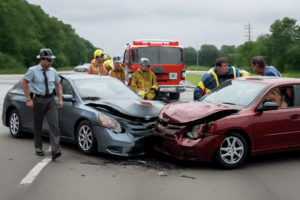
When you’re involved in a wreck, particularly on a busy highway like I-77, it’s vital to stay calm and follow these steps. Every moment after an accident counts, and your actions can influence both your health and any future legal claims. Here’s what to do right away:

1. Ensure Your Safety and the Safety of Others

Once the accident occurs, the first priority is to make sure everyone is safe. If possible, move your vehicle to the side of the road, away from the flow of traffic. Turn on your hazard lights immediately to warn other drivers of the accident scene. If your car is too damaged to move, stay inside with your seatbelt on, especially if you’re in a dangerous location. If you’re able, check for injuries in yourself and others. If someone is unconscious or severely injured, avoid moving them unless there’s an immediate danger (like a fire).

2. Call Emergency Services (911)

Regardless of the severity of the accident, always call 911 to report the wreck. Charlotte’s I-77 corridor can be a busy, high-speed area, and a wreck may cause additional hazards for other drivers. The police will help control traffic and can also start an investigation into the incident. This will help later when you file an insurance claim or pursue a legal case. If someone is injured, make sure to specify this when you call, so that paramedics can be dispatched right away. It’s important to document all injuries, even if they seem minor initially. Some injuries, like whiplash, may not show symptoms immediately but can become painful later.

3. Exchange Information with Other Drivers

After the emergency response team has been called, exchange important information with the other driver(s) involved in the accident. This should include:
  • Full names
  • Contact information (phone numbers, email addresses)
  • Insurance company details and policy numbers
  • Driver’s license numbers
  • Vehicle registration numbers
If there are any witnesses, gather their contact information as well. This could help your case later, especially if there are conflicting reports about what happened.

4. Document the Scene Thoroughly

While waiting for the authorities, take photographs of the accident scene. Use your phone or a camera to capture the damage to the vehicles, skid marks on the road, any visible injuries, and the surrounding environment. The more evidence you gather at the scene, the better your chances of proving your case later on. Take pictures of the weather, traffic signs, and any other details that might have contributed to the accident, such as road conditions or damaged infrastructure. If the other driver appears impaired or distracted, document this as well.

5. Avoid Admitting Fault or Blaming Others

In the heat of the moment, it can be tempting to apologize or explain what happened. However, it’s important to avoid admitting fault or blaming the other party, even if you believe you may have caused the wreck. There may be factors you’re unaware of at the time, and it’s always best to let the authorities conduct their investigation. Anything you say could be used against you later, especially if legal action is taken. Simply focus on getting the necessary information, filing a report, and following up with your insurance company. Let the legal professionals handle fault determination.

Seeking Medical Attention: Even If You Feel Fine

One of the most critical steps after a car wreck is seeking medical attention. Even if you feel fine, many injuries take time to manifest. For example, whiplash and other soft tissue injuries may not be immediately noticeable but can cause significant pain later. It’s also important to get checked out for hidden injuries, such as internal damage or concussions.

1. Why Immediate Medical Attention is Essential

While adrenaline may mask pain initially, your body may be in shock, and injuries may not immediately appear. A healthcare professional will assess you for injuries you may not notice yourself. Additionally, a medical record of your injuries will be crucial if you decide to pursue a claim or lawsuit later on. Without documentation of your injuries from the day of the accident, it becomes much harder to prove the impact of the accident on your health and life.

2. Follow Up with Your Doctor

Once you’ve seen an emergency medical provider or been taken to the hospital, follow up with your primary care doctor or a specialist if necessary. Regular visits will help monitor your recovery and provide additional documentation. You’ll also want to track any ongoing symptoms to ensure they’re properly treated. This documentation is key in strengthening any personal injury claims.

Legal Considerations: Why You Should Consult an Attorney

After an accident, you may find yourself facing medical bills, car repair costs, and the stress of dealing with insurance companies. Even though your insurance policy should help cover some of these expenses, you may be entitled to more, especially if the other driver was at fault or if you were severely injured.

1. Consulting with a Personal Injury Attorney

It’s essential to consult with an experienced personal injury attorney after a car accident, particularly if you’re dealing with serious injuries. An attorney can help protect your legal rights, guide you through the insurance claims process, and advise you on the best course of action if the other driver was at fault. A skilled attorney will also help you understand whether you should file a lawsuit, negotiate a settlement, or pursue alternative dispute resolution methods. At ClearView Legal, we specialize in assisting accident victims in Charlotte and surrounding areas. We can handle all the legal work while you focus on your recovery.

2. Understanding North Carolina’s Car Accident Laws

North Carolina is a contributory negligence state, meaning that if you are found to be even 1% at fault for the accident, you could be barred from recovering damages. An experienced attorney will navigate these complex rules, ensuring that you have the best chance at recovering compensation for your injuries.

3. Filing a Personal Injury Claim

If your injuries were caused by the negligence of another driver, you may be able to file a personal injury claim. This could include compensation for medical bills, lost wages, pain and suffering, emotional distress, and more. A lawyer will gather all necessary evidence, communicate with insurance companies, and ensure that your claim is handled professionally and thoroughly.

What Happens if You Need to Go to Trial?

In some cases, you may be unable to reach a satisfactory settlement with the insurance company. If this happens, it might be necessary to file a lawsuit and go to trial. While many personal injury cases are settled out of court, if the case does go to trial, your attorney will be by your side to present the strongest possible case. They will help you understand what to expect during the trial process, including the potential outcomes. Accidents on I-77 through Charlotte can be stressful, but knowing what to do can make all the difference. From ensuring your safety to gathering evidence and seeking medical treatment, following these steps will protect your legal rights and help you get the compensation you deserve. If you’ve been injured in an accident, don’t hesitate to contact ClearView Legal. Our experienced personal injury attorneys are here to guide you through the process and fight for your rights. Get in touch today for a free consultation and start the path to recovery.