
If you have recently been involved in a car accident in North Carolina, you may be feeling overwhelmed and uncertain about the steps ahead. Whether you are dealing with injuries, property damage, or both, it’s easy to feel lost during the claims process. At our firm, we understand that you are facing a difficult time and want to assure you that you do not have to navigate this alone. We are here to help you every step of the way, ensuring you understand what to expect when dealing with insurance adjusters and how to maximize your claim. We are committed to supporting you and fighting for the compensation you deserve.


What Insurance Adjusters Look For in Car Accident Claims
Insurance adjusters play a key role in determining the outcome of your car accident claim. Their job is to evaluate the details of your case and decide how much the insurance company should pay for your injuries, damages, and losses. It is important to know what insurance adjusters are looking for in order to avoid common mistakes that could hurt your case. Adjusters assess your claim based on a variety of factors, such as the severity of your injuries, the extent of the damage to your vehicle, and whether you share any responsibility for the accident.
One of the first things an adjuster will do is review the police report. This report provides a clear account of what happened during the accident, including details such as who was involved, the location, and the conditions at the time of the crash. They will also examine witness statements, medical records, and any photographs or videos of the scene to get a better understanding of the events. The more evidence you can provide, the stronger your case will be.
In addition to reviewing the facts of the accident, the adjuster will evaluate the extent of your injuries. Medical records are crucial in this process, as they help establish the seriousness of your injuries and the treatment required. The adjuster will look at your doctor visits, the type of treatment you received, and how long you will need to recover. Keep in mind that the adjuster will also consider any pre-existing conditions that could affect your recovery, so it’s essential to be upfront about your medical history.
Attorney Paralegal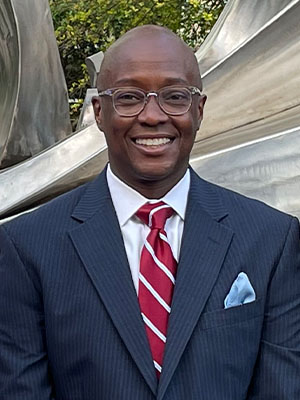
Marcel McCrea

Tylisa Crawford
How Adjusters Determine Fault and Responsibility in Car Accidents
In North Carolina, the law follows a contributory negligence rule, which means that if you are found to be even partially at fault for the accident, you could be barred from receiving compensation. This is an important consideration when an adjuster is evaluating your case. The adjuster will review evidence to determine who was responsible for the accident. They will look at things like traffic laws, driver behavior, and road conditions to decide if one party was more at fault than the other.
If the adjuster believes that you were partially responsible for the crash, they may reduce the amount of compensation you are entitled to receive. For example, if the adjuster determines that you were speeding or not paying attention at the time of the accident, they may argue that you share some of the blame. This can significantly impact your settlement offer, which is why it’s crucial to have an attorney who can advocate for your interests and ensure that you are not unfairly assigned fault.
I have worked and referred cases to Attorney Marcel McCrea in Charlotte, North Carolina, for a number of years. His zealous advocacy, keen attention to details, and client care are particularly noteworthy. He has been especially helpful in some complicated personal injury matters that I have referred to his firm. I highly recommend Marcel McCrea and ClearView Legal for anyone looking for excellent attorneys.” - Frantz Jacques ClearView Legal do great work. When I had my car accident they were very diligent in showing me the process. They took care of all the necessary paperwork and negotiation in my personal injury claim. They were both passionate and determined to get me my settlement. I am eternally grateful. Definitely 5 star lawyers in my book." - Osmund Marcellin I was recently injured in a car accident. I hired Attorney Marcel McCrea of ClearView Legal in Charlotte, NC to help me with my personal injury matter and to recover for my medical bills, lost wages, and pain and suffering. - S. Jackson
Before hiring the firm, I tried to negotiate with the insurance company on my own and got no where. Marcel McCrea did an excellent job and helped me to recover much more than I expected. Marcel and his staff exceeded my expectations and provided great customer service. I highly recommend the firm!"
The Role of Evidence in Strengthening Your Claim
As the adjuster evaluates your claim, the evidence you provide will be a critical factor in determining the outcome. The more evidence you can gather, the stronger your case will be. This includes police reports, medical records, photographs, and any other documentation related to the accident. It’s also helpful to keep track of any lost wages or other financial impacts caused by the accident.
If you have been injured in the accident, it’s important to keep detailed records of your treatment and recovery. This includes doctor visits, medical bills, physical therapy sessions, and any other treatment you may have received. The adjuster will use these documents to evaluate the cost of your medical care and the long-term impact on your health. This information will play a key role in determining how much compensation you are entitled to receive.
It is also important to gather witness statements and any available video footage of the accident. This can help support your version of events and establish fault. For example, if a witness saw another driver run a red light or fail to yield, their testimony can strengthen your case. The more solid the evidence, the more likely the adjuster will offer a fair settlement.
How Insurance Adjusters Calculate the Value of Your Claim
Insurance adjusters use a variety of factors to calculate the value of your claim. These factors include the severity of your injuries, the cost of repairing your vehicle, and any lost wages you may have experienced. They will also consider the emotional impact of the accident, such as pain and suffering, as well as any long-term medical care you may require.
The adjuster will typically begin by determining the cost of repairing your vehicle. This includes an estimate of the damage, which may require an inspection of your car by a mechanic or an appraiser. The adjuster will then factor in any medical costs, including hospital bills, surgery, medications, and physical therapy. If you need ongoing medical care, such as rehabilitation or long-term treatment, the adjuster will include these costs as well.
Choosing a Personal Injury Attorney Personal Injury Case Case TimelineRelated Videos
One of the most difficult aspects of a car accident claim is determining the value of non-economic damages, such as pain and suffering. These damages are harder to quantify, but they are an important part of your claim. The adjuster will consider factors such as the severity of your injuries, the length of your recovery, and how the accident has impacted your daily life. This is where having an attorney can make a difference, as they can help ensure that your pain and suffering are properly valued.
Why You Need an Attorney to Help with Your Car Accident Claim
While insurance adjusters are looking for ways to settle your claim as quickly and cheaply as possible, your attorney is there to fight for your rights and ensure that you receive the compensation you deserve. At ClearView Legal, we are committed to helping you navigate the insurance claims process and protect your interests.
An attorney can help by thoroughly reviewing the details of your case, gathering all necessary evidence, and negotiating with the insurance company on your behalf. Insurance adjusters may offer you a settlement that seems reasonable at first, but it is often far less than what you are actually entitled to. Your attorney will ensure that the adjuster does not take advantage of you and will work tirelessly to secure a fair and just settlement.
If the insurance company refuses to offer a fair settlement, your attorney will be prepared to take your case to court. Having a skilled attorney by your side gives you the best chance of obtaining a favorable outcome in your case. We understand that this is a difficult time for you, and we are here to provide the support and guidance you need.
If you have been injured in a car accident in North Carolina and are unsure how to proceed with your claim, our team is here to help. We understand the confusion and stress that comes with handling an accident claim, and we are dedicated to securing the best possible outcome for you. At ClearView Legal, we will guide you through every step of the process, from dealing with insurance adjusters to negotiating a fair settlement. Contact us today to schedule a consultation and let us fight for the compensation you deserve.
To learn more about this subject click here: Seeking Compensation for Lost Wages After a Car Accident in North Carolina

 |
 |