
Bicycle accidents in North Carolina can result in severe injuries and complicated legal battles. Determining who is at fault and the extent of damages can be challenging, which is why witnesses often play a vital role in these cases. When a bicycle accident occurs, it is essential to gather as much evidence as possible to prove liability and assess the damages sustained. Witnesses can provide important testimony that helps clarify the circumstances surrounding the accident. At, ClearView Legal , we are here to guide you through the legal process and help you navigate the complexities of your case.




Understanding the importance of witnesses in a bicycle accident case can make a significant difference in the outcome. This is especially true when it comes to cases that go to court, where witness testimony can influence the judge’s or jury’s decision. It is crucial to explore the role of different types of witnesses, how their testimony is used, and the process of presenting their statements in court.
Types of Witnesses in Bicycle Accident Cases
In a North Carolina bicycle accident case, there are different types of witnesses whose testimonies can help determine what happened. The first type is called an eyewitness. This is someone who saw the accident occur and can describe exactly what they observed. Eyewitnesses can provide details like the speed of the vehicles involved, the actions of the bicycle rider, and other events that led to the accident. Since they witnessed the accident firsthand, their descriptions are often considered reliable.
Another type of witness is a professional who provides insight based on their knowledge and training. These individuals can offer opinions on matters such as how the accident happened, how injuries occurred, or the conditions of the road where the crash took place. Their analysis can be very useful when the case involves technical or medical details that require additional understanding.
There are also medical witnesses who are often brought in to testify about the injuries the victim sustained in the bicycle accident. They can explain the extent of the injuries and how they are likely to impact the victim’s life moving forward. This can be especially important in cases where the injured cyclist is seeking compensation for medical expenses, lost wages, and long-term care.
Attorney Paralegal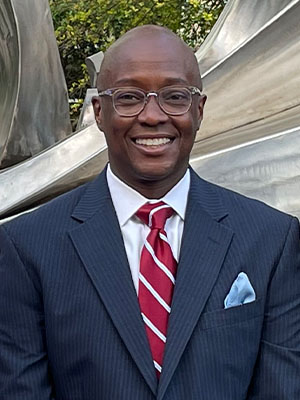
Marcel McCrea

Tylisa Crawford
How Witness Testimony Helps Prove Fault
In North Carolina, proving who is at fault for a bicycle accident can be challenging. The state follows what is known as a contributory negligence rule. This means that if the person filing the claim is found to have contributed to the accident in any way, they might not be able to recover any compensation. This makes it even more important to prove that the other party was responsible.
Witness testimony plays a key role in this process. Eyewitnesses, for example, can testify about whether the driver was speeding, ran a red light, or made an illegal turn. Professional witnesses can provide an in-depth analysis of factors such as whether road conditions or defective bicycle equipment may have contributed to the accident. Medical witnesses can provide testimony that helps link the injuries to the crash and explain why the injuries are severe enough to warrant compensation.
In many cases, the more witnesses that can be presented, the stronger the case becomes. However, their statements must align with the facts and evidence presented. If the witness testimonies are clear, detailed, and credible, they can significantly boost the chances of a successful outcome.
I have worked and referred cases to Attorney Marcel McCrea in Charlotte, North Carolina, for a number of years. His zealous advocacy, keen attention to details, and client care are particularly noteworthy. He has been especially helpful in some complicated personal injury matters that I have referred to his firm. I highly recommend Marcel McCrea and ClearView Legal for anyone looking for excellent attorneys.” - Frantz Jacques ClearView Legal do great work. When I had my car accident they were very diligent in showing me the process. They took care of all the necessary paperwork and negotiation in my personal injury claim. They were both passionate and determined to get me my settlement. I am eternally grateful. Definitely 5 star lawyers in my book." - Osmund Marcellin I was recently injured in a car accident. I hired Attorney Marcel McCrea of ClearView Legal in Charlotte, NC to help me with my personal injury matter and to recover for my medical bills, lost wages, and pain and suffering. - S. Jackson
Before hiring the firm, I tried to negotiate with the insurance company on my own and got no where. Marcel McCrea did an excellent job and helped me to recover much more than I expected. Marcel and his staff exceeded my expectations and provided great customer service. I highly recommend the firm!"
The Process of Presenting Witnesses in Court
When a bicycle accident case goes to court in North Carolina, witnesses are often called to testify in front of a judge and jury. This process involves several steps, starting with the initial discovery phase, where both sides gather evidence, including witness statements. The lawyers will decide which witnesses are relevant to the case and how their testimony can help prove their side of the story.
Once the case reaches the courtroom, the witnesses are called to the stand to give their testimony. During this phase, they are asked to explain what they saw, heard, or know about the accident. The lawyer representing the injured cyclist will ask questions to guide the witness through their testimony. After this, the lawyer for the other party may cross-examine the witness, asking questions to challenge or clarify their statements.
Witnesses must be clear and consistent in their testimonies. The goal is to provide a clear picture of what happened during the accident. A strong witness statement can help convince the judge or jury to rule in favor of the injured cyclist. However, if there are inconsistencies in the testimonies, or if a witness appears unreliable, it could harm the case.
Why Witness Credibility is Crucial
One of the most important factors in a North Carolina bicycle accident case is the credibility of the witnesses. This refers to how believable the witness appears to the judge or jury. A credible witness is someone who provides honest, accurate, and consistent testimony. The witness should have no reason to lie or exaggerate their story, and their testimony should align with the facts of the case.
There are several ways that a witness’s credibility is evaluated. First, the court will consider whether the witness had a clear view of the accident and whether their memory of the event is reliable. Second, the witness’s background might be examined to ensure that they have no conflicts of interest or reasons to be biased in the case. Finally, the consistency of the testimony is essential. If a witness changes their story or provides conflicting details, it can weaken their credibility.
Credible witnesses can significantly strengthen a bicycle accident case, while unreliable witnesses can have the opposite effect. It is the lawyer’s job to ensure that the witnesses they present are trustworthy and that their testimonies are consistent with the evidence.
Choosing a Personal Injury Attorney Personal Injury Case Case TimelineRelated Videos
Using Professional Witnesses in Complex Cases
In some bicycle accident cases, the facts are not straightforward. The accident may involve complex issues, such as disputed traffic laws, poor road conditions, or faulty bicycle parts. In these situations, professional witnesses are often used to provide insight and clarification. These witnesses can give opinions based on their experience in areas such as accident reconstruction, medical injuries, or road safety.
For example, in an accident where road conditions played a role, a professional who specializes in transportation safety might testify about how the design of the road contributed to the accident. Similarly, if there is a question about whether the injuries were caused by the crash, a medical professional can explain how the injuries are consistent with a bicycle accident.
Professional witnesses are valuable because they can explain complex issues in a way that is easy for the judge or jury to understand. Their testimony often helps bridge the gap between the technical aspects of the case and the everyday experiences of those involved in the legal process.
Challenges of Presenting Witnesses in Bicycle Accident Cases
While witnesses can greatly benefit a North Carolina bicycle accident case, there are also challenges involved in presenting them. One challenge is that witness testimonies are not always reliable. Memories can fade over time, and eyewitnesses may forget important details or confuse events. In addition, witnesses may not always be available to testify in court, making it harder to present a complete picture of the accident.
Another challenge is that professional witnesses, though helpful, can be costly. Bringing in someone with extensive knowledge or experience to testify can increase the expenses associated with the case. However, in complex cases, the value they add by helping clarify difficult issues may outweigh the costs.
The opposing side may also challenge the credibility or relevance of the witnesses. Lawyers will often try to discredit witnesses by pointing out inconsistencies in their statements or suggesting that they have biases. It is important to be prepared for these challenges and to ensure that the witnesses are credible, consistent, and confident in their testimonies.
How to Strengthen Your Case with Witnesses
To build a strong bicycle accident case in North Carolina, it is essential to gather witness testimony as soon as possible after the accident. The more quickly a witness is interviewed, the more likely they are to remember important details. If possible, get the contact information of any witnesses at the scene of the accident so that they can be reached later.
Working with a lawyer is also crucial to ensuring that witness testimonies are used effectively. A skilled lawyer will know how to gather statements, present witnesses in court, and respond to any challenges from the opposing side. They will also be able to determine which witnesses are most beneficial to the case and how to use their testimonies to prove fault and secure compensation.
Witnesses play a vital role in North Carolina bicycle accident cases by helping to clarify what happened, proving fault, and explaining the extent of the injuries involved. Whether it is an eyewitness who saw the crash or a professional who provides insight based on their knowledge, their testimony can be the difference between winning and losing a case. It is essential to gather witness statements quickly, present them effectively in court, and ensure that their testimony is credible and consistent.
If you have been involved in a bicycle accident and need legal guidance, the team at ClearView Legal is here to help. With our extensive experience in handling bicycle accident cases, we can assist you in building a strong case and securing the compensation you deserve. Contact us today for a consultation to discuss your options.

 |
 |