

Understanding the Risks of Spring Rain 
Charlotte’s spring weather brings sudden and sometimes heavy rainfall that creates slick driving surfaces. When roads are wet, even small amounts of water can significantly reduce the friction between tires and pavement, leading to hydroplaning, skidding, or complete loss of control. Drivers often underestimate the impact of rain on stopping distances; research shows that wet conditions can increase braking distances by 20 to 30 percent. Puddles, debris, and impaired visibility make intersections, curves, and highway ramps particularly hazardous. Experienced drivers may still find themselves involved in collisions because adverse conditions amplify small errors, such as delayed braking or improper lane changes. Rain-induced accidents in Charlotte are often multi-vehicle events, with rear-end collisions being especially common due to the difficulty of stopping safely on wet surfaces.
How North Carolina Law Determines Fault
In North Carolina, contributory negligence rules play a crucial role in accident claims. Even if a driver is only partially at fault, they may be barred from recovering damages. Wet roads complicate fault assessments because investigators, insurance adjusters, and courts must consider whether drivers were operating their vehicles safely given the conditions. Speeding, tailgating, or failing to maintain proper lane position in rainy weather can be considered negligence. Similarly, ignoring posted warnings about slippery roads or hazardous intersections may affect liability. Determining fault often involves examining police reports, skid marks, vehicle damage, and eyewitness accounts. When ClearView Legal assists clients, we carefully review all available evidence to establish liability while accounting for how spring rain contributed to the collision.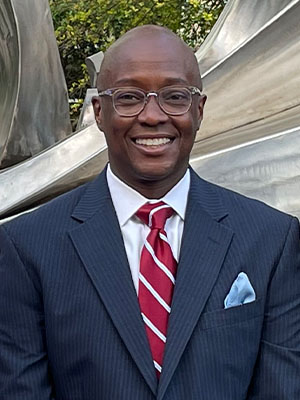
Marcel McCrea
Attorney

James A. Noel
Attorney
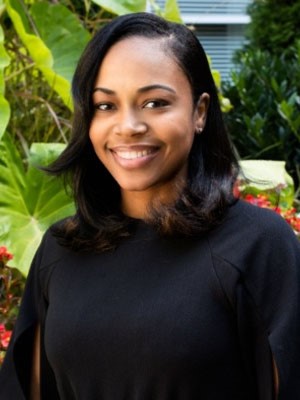
Tylisa Crawford
Paralegal
Common Types of Rain-Related Accidents
Certain types of accidents occur more frequently during spring rain in Charlotte. Rear-end collisions are the most common because wet surfaces extend stopping distances and make sudden braking more dangerous. Intersection accidents, including side-impact collisions, often occur when drivers misjudge the speed of oncoming traffic or fail to account for reduced visibility. Hydroplaning is another frequent hazard; vehicles can lose all road contact, causing spins or high-speed collisions. Multi-car pileups are also more likely during rainy conditions because one accident can quickly trigger chain-reaction collisions. Each accident type has unique legal implications for determining fault and pursuing injury compensation. Clear documentation and early investigation are critical to support a claim under these circumstances.Collecting Evidence After a Rain-Related Collision
Proper evidence collection after a rain-related collision is vital for establishing fault and protecting legal rights. Drivers should photograph vehicle damage, skid marks, and road conditions, noting puddles, debris, or other hazards. Obtaining a detailed police report that records weather and road conditions can strengthen a claim. Collecting names and contact information from witnesses and other drivers provides additional support. Maintaining thorough medical documentation of injuries, hospital visits, and rehabilitation treatments is equally important, as these records demonstrate the impact of the accident on your life. Reporting the accident promptly to your insurance provider ensures compliance with policy requirements and creates an official record of the incident. ClearView Legal guides clients through this process to maximize the integrity of their claims.
I have worked and referred cases to Attorney Marcel McCrea in Charlotte, North Carolina, for a number of years. His zealous advocacy, keen attention to details, and client care are particularly noteworthy. He has been especially helpful in some complicated personal injury matters that I have referred to his firm. I highly recommend Marcel McCrea and ClearView Legal for anyone looking for excellent attorneys.”
- Frantz Jacques
ClearView Legal do great work. When I had my car accident they were very diligent in showing me the process. They took care of all the necessary paperwork and negotiation in my personal injury claim. They were both passionate and determined to get me my settlement. I am eternally grateful. Definitely 5 star lawyers in my book."
- Osmund Marcellin
I was recently injured in a car accident. I hired Attorney Marcel McCrea of ClearView Legal in Charlotte, NC to help me with my personal injury matter and to recover for my medical bills, lost wages, and pain and suffering.
Before hiring the firm, I tried to negotiate with the insurance company on my own and got no where. Marcel McCrea did an excellent job and helped me to recover much more than I expected. Marcel and his staff exceeded my expectations and provided great customer service. I highly recommend the firm!"
- S. Jackson