


1. The Position of the Vehicles 
In the immediate aftermath of a car accident, people often focus on the obvious damage to the vehicles and the condition of the people involved. However, the position of the vehicles at the scene can tell a very different story about how the crash occurred. The relative positions of the vehicles can shed light on crucial aspects of the accident, such as whether one driver was speeding, ran a red light, or failed to yield.
Why Vehicle Position Matters:
The final resting place of each vehicle can provide a forensic insight into the direction and speed at the time of the crash. For example, a vehicle that has skidded several feet could suggest the driver was attempting to stop suddenly, which may indicate liability for running a stop sign or light. Similarly, the angle at which the vehicles were impacted could show if one driver swerved to avoid the collision or if they were simply in the wrong place at the wrong time.
What to Do:
Make sure to take multiple photographs of the accident scene, especially the positions of the vehicles in relation to the road. Capture wide shots and close-ups of both the vehicles and any visible signs of damage. If possible, take note of road markings or skid marks that may indicate the exact moment of impact.
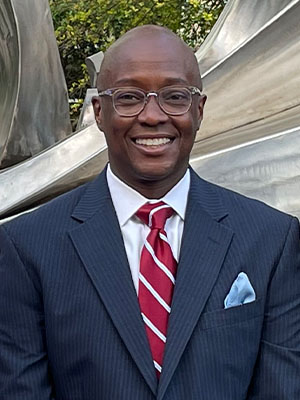
Marcel McCrea
Attorney

James A. Noel
Attorney

Tylisa Crawford
Paralegal
2. Road Conditions and Traffic Signals
The condition of the road and the surrounding environment is another important factor often overlooked at crash scenes. Charlotte’s roads can vary greatly depending on weather conditions, maintenance schedules, and traffic management systems. If the road is slick from rain, poorly maintained, or if the traffic lights or signs are malfunctioning, these could be contributing factors to the crash.Why Road Conditions Matter:
Road conditions are a major factor in determining fault in a crash. Wet or icy roads, for instance, can make it difficult for a driver to maintain control of their vehicle. Similarly, if road signs are obscured or malfunctioning, drivers may not have received adequate warnings, leading to an accident.What to Do:
Be sure to document the weather conditions at the time of the crash, including any rain, fog, or ice. If there were road maintenance issues, such as potholes or roadwork, note these as well. Additionally, check whether traffic signals or signage were functioning properly. Take photographs of any traffic signs, signals, or road conditions that may have played a role in the accident.3. Witness Testimonies
Witnesses can provide invaluable information that may support your version of events. Often, accident victims are so focused on their own experience that they forget to gather the perspectives of those who may have seen the crash from a different angle. Witness statements can help corroborate your claims, especially in cases where there is a dispute over who caused the accident.Why Witnesses Are Important:
Witnesses are often neutral parties who can offer an unbiased account of the crash. Their testimonies can provide a clear timeline of events, detailing the behavior of each driver leading up to the incident. If witnesses can testify to one driver running a red light or swerving into another lane, their statements could be crucial in proving fault.What to Do:
If possible, approach any bystanders or others who may have witnessed the crash. Politely ask for their contact information and a brief statement of what they saw. It’s a good idea to record these statements or ask the witnesses to write them down and sign them. If you cannot gather witness information at the scene, be sure to follow up with local businesses, as they may have surveillance footage that captures the accident.
I have worked and referred cases to Attorney Marcel McCrea in Charlotte, North Carolina, for a number of years. His zealous advocacy, keen attention to details, and client care are particularly noteworthy. He has been especially helpful in some complicated personal injury matters that I have referred to his firm. I highly recommend Marcel McCrea and ClearView Legal for anyone looking for excellent attorneys.”
- Frantz Jacques
ClearView Legal do great work. When I had my car accident they were very diligent in showing me the process. They took care of all the necessary paperwork and negotiation in my personal injury claim. They were both passionate and determined to get me my settlement. I am eternally grateful. Definitely 5 star lawyers in my book."
- Osmund Marcellin
I was recently injured in a car accident. I hired Attorney Marcel McCrea of ClearView Legal in Charlotte, NC to help me with my personal injury matter and to recover for my medical bills, lost wages, and pain and suffering.
Before hiring the firm, I tried to negotiate with the insurance company on my own and got no where. Marcel McCrea did an excellent job and helped me to recover much more than I expected. Marcel and his staff exceeded my expectations and provided great customer service. I highly recommend the firm!"
- S. Jackson
4. Surveillance Footage
In today’s world, many businesses, traffic lights, and even nearby homes are equipped with surveillance cameras that may have captured the crash. However, surveillance footage is often forgotten or overlooked. This footage can be a game-changer in accident cases, providing a clear, objective account of the incident that can corroborate or refute other evidence.Why Surveillance Footage Is Crucial:
Surveillance footage can provide crucial details about the timing, speed, and actions of the drivers involved in the crash. It can also clarify who had the right of way, if a driver ran a red light, or if another external factor contributed to the accident. Furthermore, footage from traffic cameras can help verify statements made by witnesses or parties involved in the crash.What to Do:
If you believe surveillance footage may be available, ask nearby businesses or traffic authorities if they have cameras that may have recorded the incident. If you suspect that traffic signals were involved, check with the city to see if they have footage from public cameras. Remember that surveillance footage is often overwritten quickly, so it’s important to request the footage as soon as possible.Related Videos
Choosing a Personal Injury Attorney
Personal Injury Case Case Timeline