Hurt at the Novant Health Thanksgiving Parade in Uptown Charlotte: Who’s Responsible and How to File a Claim

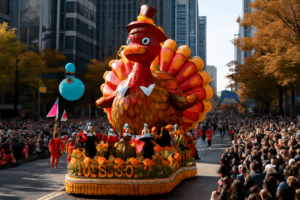
The Novant Health Thanksgiving Parade, held every year in Uptown Charlotte, is a popular event that draws crowds, excitement, and a sense of community. However, like any large public event, it also presents risks of accidents and injuries. If you were hurt during the parade, you may be wondering who is responsible for your injury and how you can seek compensation. This blog will explore the different parties that could be liable for your injury, guide you through the claims process, and provide helpful information on the steps to take after an accident at a public event like the parade.
Who is Responsible for Injuries During the Parade? Hurt at the Novant Health Thanksgiving Parade in Uptown Charlotte: Who’s Responsible and How to File a Claim

When an injury occurs during a public event like the Novant Health Thanksgiving Parade, the question of liability can be complex. Several factors must be considered, including the nature of the accident, where it occurred, and who was involved. Here are the potential parties that could be responsible for your injury during the parade:

Event Organizers and Sponsors

The event organizers are usually the first party that comes to mind when considering responsibility for an accident. The Novant Health Thanksgiving Parade is typically organized by a committee or a local organization, which may include private companies, the city, or even community groups. If the injury occurred due to poor planning, lack of security, or unsafe conditions such as inadequate crowd control, faulty barricades, or poorly marked hazards, the event organizers could be held liable. For example, if a float malfunctioned, causing debris or people to fall into the crowd, the event organizers could be at fault for not ensuring proper safety measures were in place. Event organizers are also responsible for obtaining permits, securing insurance, and ensuring that safety protocols are followed throughout the event. If these procedures were neglected, you could have grounds to file a claim against the organizers.

Vendors and Participants in the Parade

The parade typically includes a variety of participants, such as floats, marching bands, vehicles, vendors, and performers. Any one of these participants could potentially cause an injury if proper safety measures were not followed. For instance, if a vendor’s booth collapsed or if a parade float was poorly constructed, causing injury to nearby attendees, the vendor or float organizers might be held liable for the incident. In addition, participants such as dancers or performers may cause accidents if they are engaging in risky behavior or not following safety guidelines. For example, if a performer tripped while walking through the crowd, causing someone to fall and get injured, the performer or the group behind the performance may be held responsible.

Local Government and City Officials

Since parades and other public events take place on public property or public streets, the local government may also be liable for injuries. Local authorities are responsible for ensuring the public’s safety during these events, which may involve street closures, crowd control, security, and even ensuring that the infrastructure of the area is safe. If the parade route had poor lighting, uneven sidewalks, or hazards that were not addressed, the city could be held liable for not maintaining the area or addressing known safety issues. For example, if there were a sidewalk defect that caused someone to trip and fall during the parade, the city or municipality may be responsible for the injury.

Private Property Owners and Businesses

The parade passes through multiple parts of Uptown Charlotte, and sometimes the event may interact with private properties or businesses. If the injury occurred on private property adjacent to the parade route, the property owner might bear some responsibility, especially if their negligence contributed to the accident. This could include failure to maintain proper safety on their property, like having unsecured structures, items in walkways, or hazardous conditions such as ice on the ground or poorly marked steps. For example, if a spectator slipped and fell on a property that had not been properly cleared of ice or snow, the property owner may be held liable for the injury.

Other Attendees

Though it is more uncommon, accidents can sometimes be caused by other attendees at the event. These situations may include a scenario where one person’s actions unintentionally caused harm to another person. For example, if one person in the crowd bumped into another, knocking them over and causing injury, the person who caused the incident may be responsible. However, pursuing a claim in these instances can be more complicated because personal injury claims often involve proving negligence. It’s important to gather as much evidence as possible if you find yourself in such a situation, as proving liability will be essential.

Steps to Take if You’ve Been Injured During the Parade

If you’ve been injured during the Novant Health Thanksgiving Parade, it’s important to act quickly to protect your rights and increase your chances of securing compensation. Here are the steps to take if you find yourself injured at the parade:

1. Seek Medical Attention Immediately

Your health and well-being should always be your top priority. If you’ve sustained any injury, no matter how minor it may seem at first, seek medical attention right away. Even if you don’t feel any immediate pain, it’s essential to get checked by a healthcare provider. Some injuries, such as concussions or whiplash, may not show symptoms right away but could worsen over time. Immediate medical attention not only protects your health but also helps establish a record of the injury, which is crucial for your claim.

2. Document the Scene and Your Injury

If you are able to, take pictures of the scene where the injury occurred. This could include photographs of the area, any potential hazards, or unsafe conditions that may have contributed to your accident. If there were any witnesses, try to gather their contact information as well. Statements from witnesses can be vital in supporting your claim, especially if the event organizers or other parties dispute liability. Also, document your injuries by taking photos of visible bruises, cuts, or any other physical damage. Keep track of medical visits, treatments, prescriptions, and any other relevant medical records.

3. Report the Incident

Make sure that the injury is reported to the event organizers, local law enforcement, or any other relevant authorities. Filing a report with the appropriate parties can provide additional evidence that the injury occurred during the parade. If police or security were involved, ask for a copy of the report or an incident number to reference in your claim.

4. Contact an Experienced Personal Injury Lawyer

Navigating a personal injury claim, especially one involving a public event, can be complicated. An experienced personal injury lawyer can help guide you through the process, determine who is responsible for your injuries, and assess the potential value of your claim. They can assist you in collecting evidence, communicating with insurance companies, and, if necessary, filing a lawsuit to secure fair compensation for your injuries.

5. File a Claim for Compensation

Once your lawyer has assessed your case, they will help you file a claim. If liability is clear and insurance is involved, your lawyer will work with the insurance company to ensure that you receive fair compensation. This may cover medical expenses, lost wages, pain and suffering, and other damages related to the injury. If the responsible party refuses to settle, your lawyer can help you file a lawsuit to ensure your rights are protected.

What About Liability Waivers and Insurance?

Many public events, including parades, require attendees to sign liability waivers, which are intended to limit the event organizers’ responsibility in case of injury. However, these waivers don’t necessarily bar you from filing a claim if negligence was involved. For example, if the injury was caused by unsafe conditions that were ignored or overlooked by the organizers, the waiver may not protect them from liability. Furthermore, public events like the Novant Health Thanksgiving Parade are usually insured against accidents. Event organizers typically carry liability insurance to protect themselves from claims. If you’re injured during the parade, your lawyer will likely seek compensation through the event’s insurance coverage. It’s important to understand that insurance policies and waivers are not all-encompassing, and you may still have a valid claim even if you signed a waiver. Injuries during public events like the Novant Health Thanksgiving Parade can happen for a variety of reasons, and determining who is responsible is not always straightforward. Whether it’s the event organizers, the city, vendors, or other attendees, understanding who is at fault is critical for seeking compensation. By following the steps outlined above—seeking medical attention, documenting the scene, reporting the incident, and working with an experienced personal injury lawyer—you can protect your rights and improve your chances of securing compensation for your injuries. If you’ve been injured at the Novant Health Thanksgiving Parade in Uptown Charlotte, contact ClearView Legal today. Our team of personal injury lawyers can help you navigate the complexities of your claim and fight for the compensation you deserve. Schedule a free consultation and take the first step toward justice today. If you’ve been injured during the Novant Health Thanksgiving Parade in Uptown Charlotte, ClearView Legal is here to help. Our experienced attorneys specialize in personal injury claims and can guide you through the process. Contact us today for a free consultation and take the first step toward securing the compensation you deserve.

To learn more about this subject click here: When to Contact an Uber Accident Attorney: Key Considerations