
The position of your car seat plays a significant role in your safety during a car crash. Adjusting your seat properly can reduce the severity of injuries and help you avoid life-threatening situations. ClearView Legal, a trusted law firm serving Charlotte, NC, is committed to helping individuals understand the importance of vehicle safety, especially how small adjustments like seat positioning can make a big difference in the event of a collision.




The Importance of Proper Seat Positioning for Safety 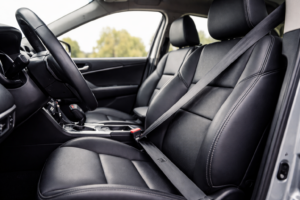
When it comes to car safety, we often focus on seat belts, airbags, and the overall design of the vehicle, but one critical factor often gets overlooked: your seat position. The way you sit in your car affects the effectiveness of your seatbelt, how your body is positioned relative to the airbags, and how forces are absorbed during a collision. In the worst-case scenario, improper seat positioning can make the difference between a minor injury and a life-threatening one.
ClearView Legal, serving Charlotte, NC, has seen how car accidents can dramatically alter people’s lives. From our experience, we understand how vehicle safety, particularly car seat positioning, can play a key role in minimizing injury. In this piece, we will explore why car seat positioning is essential and provide tips for optimizing your seating arrangement to improve safety and reduce injury severity.
How Car Seat Positioning Influences Injury Severity
When a car accident occurs, your body is subjected to high forces as the vehicle decelerates rapidly. These forces can result in severe injury if not properly mitigated by safety features like seat belts and airbags. However, even with these features, incorrect seat positioning can prevent them from functioning as intended, resulting in more severe injuries.
Attorney Paralegal
Marcel McCrea

Tylisa Crawford
The Role of Seatbelts in Injury Prevention
Seatbelts are one of the most important safety features in a vehicle, but they only work when positioned properly. A seatbelt should fit snugly across your hips and chest, not your abdomen or neck. This is critical because:
- Proper Lap Belt Position: The lap belt should rest low across your pelvis, not over your stomach. During a collision, a poorly positioned lap belt can cause internal injuries, as it may compress sensitive organs like the liver or spleen.
- Shoulder Belt Position: The shoulder belt should cross your chest, not your neck. If the shoulder belt is positioned incorrectly, it can cause injuries to the neck and spine, especially if the force of the collision is directed to that area.
If your seat is positioned too far back or too upright, the seatbelt may not hold you properly, increasing the risk of injury or ejection from the vehicle. Seatbelt effectiveness is maximized when the seat is properly adjusted to maintain the appropriate restraint on the body.
Choosing a Personal Injury Attorney Personal Injury Case Case TimelineRelated Videos
Airbag Deployment and Seat Position
Airbags are designed to inflate in a controlled manner during a crash, cushioning the occupant’s body and minimizing injury. However, airbag deployment is sensitive to the position of the driver or passenger.
- Too Close to the Steering Wheel: If you’re sitting too close to the steering wheel or dashboard, the airbag may deploy too forcefully, causing severe chest or facial injuries. Airbags are intended to be a supplementary safety feature, but they become dangerous if you’re too close to them when they inflate.
- Too Far Away: On the other hand, if you’re seated too far from the airbag, it may not deploy in the optimal way to protect you, reducing its effectiveness during a collision.
Experts recommend sitting at least 10 inches from the steering wheel for drivers. If you’re too close or too far, you could be exposing yourself to unnecessary risks.
Force Distribution During a Crash
When a collision occurs, the force of the impact is distributed across your body. The way you sit—especially the angle of your seat—can significantly affect how your body absorbs this impact. The forces from a crash can cause injuries to the head, neck, spine, and chest, but proper seat positioning can help distribute those forces more evenly across your body, reducing the risk of serious injury.
- Seat Angle: Your seat should be positioned at an angle of 100 to 110 degrees. A too-upright seat can cause your neck to snap back too quickly, increasing the likelihood of neck and spine injuries. A slight recline helps distribute the force more evenly across your body during a crash.
How to Adjust Your Car Seat for Optimal Safety
Now that you understand the importance of seat positioning, let’s look at the best practices for adjusting your seat to reduce the risk of injury in the event of a crash.
1. Keep a Safe Distance from the Steering Wheel
One of the most important factors in seat positioning is the distance between you and the steering wheel. Many drivers unknowingly sit too close to the steering wheel, which increases the risk of injury during airbag deployment. Ideally, your chest should be at least 10 inches away from the steering wheel. If you can’t reach the pedals comfortably at this distance, consider using a cushion or adjusting the seat’s tilt to achieve the right balance between reach and safety.
2. Adjust Your Seat Back Angle
The angle of your seat should be between 100 and 110 degrees. A more upright seat can cause neck strain, while a seat that’s too reclined could lead to your body sliding around in the seat, especially during a collision. Adjusting your seat to the correct angle allows your body to be held in place more effectively by the seatbelt and helps reduce whiplash and other neck injuries.
3. Ensure Proper Seatbelt Positioning
Your seatbelt should rest low across your hips, with the shoulder belt crossing your chest. If you have adjustable shoulder belt positioning, ensure the shoulder strap is at mid-chest level, not too high near your neck. The seatbelt should be snug but comfortable. A loose seatbelt can cause you to move too much during a crash, increasing the risk of injury.
4. Set Your Headrest to the Correct Height
The height of your headrest can significantly reduce the risk of whiplash during a rear-end collision. Your headrest should be positioned so that it is level with the top of your head. If it’s too low, your neck may be subjected to sudden, forceful movements, increasing the risk of neck and spine injuries. In general, the headrest should be no lower than the height of the top of your ears.
The Potential Consequences of Improper Seat Positioning
Inadequate seat positioning can have serious consequences during a crash. Some of the most common injuries resulting from poor seating posture include:
- Whiplash: This injury occurs when the neck is forced to jerk forward and backward during a collision. Improper seat positioning, especially with a low headrest, can significantly increase the likelihood of whiplash.
- Chest Injuries: Sitting too close to the steering wheel increases the risk of chest trauma, particularly if the airbag deploys too forcefully.
- Head and Neck Injuries: Improper seat angle or headrest height can result in severe head and neck injuries, especially in rear-end collisions. A reclined seat helps absorb the impact and prevent whiplash.
- Internal Injuries: If the seatbelt is too high or low on the body, internal injuries to the organs can occur. Proper lap and shoulder belt positioning is essential to ensure that the forces from the crash are spread across the stronger areas of the body.
Additional Tips for Enhancing Car Safety
While seat positioning is one of the most important factors in vehicle safety, there are other ways to enhance your protection in the event of a crash.
- Properly Maintain Your Seatbelt: Over time, seatbelt systems can wear out. Check your seatbelt for any signs of fraying or damage. If you notice any issues, have it replaced immediately.
- Avoid Reclining Too Much: Although a slight recline is beneficial, avoid reclining your seat too much while driving. A seat that’s too far back can reduce your ability to respond to hazards and increase the risk of injury in a crash.
- Ensure All Passengers Are Properly Positioned: If you’re traveling with others, especially children, make sure everyone is properly seated and wearing their seatbelts correctly. Children should always be in an appropriate car seat, booster seat, or seatbelt according to their age and size.
Prioritize Seat Positioning for Your Safety
Seat positioning is an often-overlooked aspect of car safety, but it plays a pivotal role in reducing injury severity during a crash. By adjusting your seat properly, ensuring that your seatbelt and headrest are correctly positioned, and maintaining a safe distance from the steering wheel, you can enhance your safety significantly.
At ClearView Legal, we understand the devastating effects that car accidents can have on your life. If you or a loved one has been injured in an accident, don’t hesitate to reach out to our experienced personal injury attorneys. We offer free consultations and are dedicated to helping you navigate your case and get the compensation you deserve.
To learn more about this subject click here: How to Document Your Injuries After a Crash in Uptown Charlotte

 |
 |