
The Danger of Defective Turkey Fryers 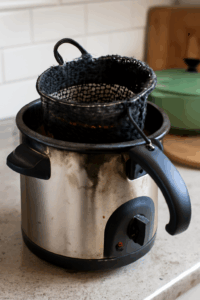
Each year, thousands of families across the United States enjoy deep-fried turkey as a holiday tradition. These turkey fryers, though, while seemingly easy to use, can be incredibly dangerous when they malfunction or are designed improperly. Faulty turkey fryers can lead to severe injuries, including third-degree burns, fires, and explosions. If you or a loved one has been injured by a defective turkey fryer, it’s crucial to know your rights under North Carolina’s product liability laws. These laws hold manufacturers and retailers accountable for injuries caused by defective products, ensuring that victims can seek compensation for medical costs, lost wages, and pain and suffering.
This blog will explore the different ways in which a turkey fryer can become defective and how the law allows victims to pursue justice. By understanding your legal options, you can make informed decisions about pursuing a product liability claim.
Understanding Product Liability in North Carolina
Product liability law in North Carolina allows individuals who are injured by defective products to seek damages from manufacturers, distributors, and retailers. If you have been burned or injured by a turkey fryer, you may have grounds to file a product liability claim under one of three primary legal theories:- Design Defects: A design defect occurs when a product is inherently dangerous due to its design, even if it is made correctly. For example, if a turkey fryer’s design is unstable, making it prone to tipping over and spilling hot oil, the fryer may be considered defectively designed. In these cases, the injury is directly linked to the product’s design flaw.
- Manufacturing Defects: Manufacturing defects arise when a product is made incorrectly, deviating from the intended design. In the case of a turkey fryer, a manufacturing defect might involve faulty wiring, improperly sealed components, or subpar materials that could cause a fryer to malfunction. Even if the design is safe, a manufacturing defect can make the product dangerous and lead to injuries.
- Failure to Warn: Manufacturers have a responsibility to warn consumers of potential dangers associated with their products. If a turkey fryer manufacturer fails to provide clear warnings about the risks of using the fryer or fails to offer proper safety instructions, it could be liable for injuries caused by the fryer. For example, if a fryer doesn’t include warnings about the proper temperature for cooking or about the risk of oil overflow, victims may have grounds to pursue a claim based on failure to warn.
Steps to Take After an Injury from a Defective Turkey Fryer
If you’ve been injured by a defective turkey fryer, taking immediate action is critical for your health, safety, and legal recourse. The following steps can help you protect your rights and gather the necessary evidence to pursue a successful product liability claim:- Seek Medical Attention Immediately First and foremost, it’s essential to seek medical attention as soon as possible. Even if the injury seems minor, burns from a turkey fryer can be severe and require immediate treatment. Seeking medical care also creates a documented record of the injuries sustained, which can be crucial for your case.
- Document the Injury and Defect Take photographs of your injuries, the defective fryer, and the scene of the incident. Preserve the product and any related materials such as packaging, manuals, and receipts. If the fryer caused a fire or explosion, document any property damage as well. This evidence can help establish the cause of the injury and support your claim.
- Report the Incident Report the incident to the manufacturer, retailer, or distributor of the turkey fryer. Be sure to keep a record of your communications, including the dates and any responses you receive. This can help demonstrate that the responsible parties were aware of the defect.
- Consult an Attorney Product liability claims can be complex and require a deep understanding of the law. Consulting with a North Carolina attorney who specializes in product liability cases is crucial. An attorney can help you navigate the legal process, assess the strength of your case, and ensure that you meet all the necessary legal deadlines.
Proving a Product Liability Claim in North Carolina
To successfully win a product liability claim for a defective turkey fryer, you must prove that the product was defective and that the defect directly caused your injury. Here’s what you’ll need to show:- Defect Existence: You’ll need to show that the turkey fryer was defectively designed, manufactured, or lacked sufficient warning labels. Your attorney will help you gather evidence, such as expert testimony and product inspections, to prove that the fryer had a defect.
- Causation: It’s essential to prove that the defect in the fryer directly caused your injury. For example, if you were burned by hot oil spilling due to the fryer tipping over because of a design flaw, you must establish that the defect caused the accident and your injuries.
- Damages: You’ll also need to demonstrate the damages you’ve suffered due to the injury, which can include medical expenses, lost wages, pain and suffering, and emotional distress. If your injuries require ongoing treatment or have long-term effects, those future costs should also be considered.
Compensation Available in Product Liability Cases
If you are successful in your product liability claim, you may be entitled to various types of compensation for the harm you’ve experienced. These damages can include:- Medical Expenses: Compensation for the costs of medical treatment, hospital stays, surgery, and rehabilitation related to your injury.
- Lost Wages: If your injury caused you to miss work or be unable to perform your job duties, you can seek compensation for lost income and any future loss of earning capacity.
- Pain and Suffering: You may also be entitled to damages for physical pain, emotional distress, and mental anguish resulting from your injury.
- Punitive Damages: In some cases, if the manufacturer or retailer acted with gross negligence or willful misconduct, the court may award punitive damages as a form of punishment and deterrent.