
Wrongful death cases in North Carolina arise when a person’s death occurs because of the negligence or misconduct of another party. These cases aim to provide justice to families who lose a loved one under such tragic circumstances. Proving a wrongful death claim involves meeting specific legal requirements, which can often be challenging. The courts require evidence to show how the death happened, who was responsible, and how the family has suffered as a result. To achieve this, witnesses with knowledge in specific fields often play an important role in presenting information that helps explain complicated details of the case.
When a family files a wrongful death claim, they need to provide proof that the person or entity being sued caused the death through careless or harmful actions. While regular witnesses may be able to describe what they saw or heard, they may not have the ability to explain technical aspects of the case. This is where witnesses with special knowledge or skills in areas such as medicine, engineering, or accident reconstruction come into play. Their role is to make complex details understandable for the judge and jury. For example, if someone passes away due to a medical error, a medical professional can provide insight into how the mistake occurred and whether it was something another professional in the same field would have avoided. At, ClearView Legal , we are here to guide you through the legal process and help you navigate the complexities of your case.

How Witnesses Help in Proving Fault
Proving fault in a wrongful death case is one of the most critical steps. Witnesses with technical knowledge often help bridge the gap between the evidence and the court’s understanding. In cases involving car accidents, for instance, an accident reconstructionist may study the crash scene, examine vehicle damage, and analyze traffic patterns to determine how the accident occurred. Their findings can show whether the defendant was speeding, distracted, or otherwise at fault. Similarly, in cases involving workplace deaths, an industrial safety specialist may assess whether the employer failed to follow safety regulations, leading to the fatal incident.
These witnesses can also address arguments made by the defense. For instance, the defendant may claim that the deceased person was partially responsible for the accident. In such cases, the witness can present evidence to refute these claims, ensuring the truth comes to light. Their role is not to decide the case but to give the court the tools needed to understand the facts fully.
Attorney Paralegal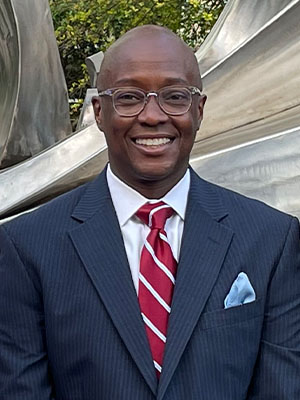
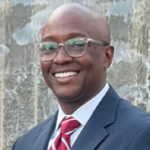
Marcel McCrea

Tylisa Crawford
Explaining the Cause of Death
Another key aspect of wrongful death cases is determining the exact cause of death. In medical malpractice cases, this often involves showing how the actions or inactions of a healthcare provider led to the loss of life. A medical professional may review the deceased person’s medical records, treatments, and symptoms to explain how the error occurred. For example, they might show that a failure to diagnose an illness or a mistake during surgery directly caused the death.
This is equally important in product liability cases, where a defective product leads to someone’s passing. In such cases, a product safety specialist might analyze the design, manufacturing process, or warning labels to demonstrate how the product caused harm. Their testimony can help link the defect to the fatality, making it clear that the manufacturer or distributor bears responsibility.
I have worked and referred cases to Attorney Marcel McCrea in Charlotte, North Carolina, for a number of years. His zealous advocacy, keen attention to details, and client care are particularly noteworthy. He has been especially helpful in some complicated personal injury matters that I have referred to his firm. I highly recommend Marcel McCrea and ClearView Legal for anyone looking for excellent attorneys.” - Frantz Jacques ClearView Legal do great work. When I had my car accident they were very diligent in showing me the process. They took care of all the necessary paperwork and negotiation in my personal injury claim. They were both passionate and determined to get me my settlement. I am eternally grateful. Definitely 5 star lawyers in my book." - Osmund Marcellin I was recently injured in a car accident. I hired Attorney Marcel McCrea of ClearView Legal in Charlotte, NC to help me with my personal injury matter and to recover for my medical bills, lost wages, and pain and suffering. - S. Jackson
Before hiring the firm, I tried to negotiate with the insurance company on my own and got no where. Marcel McCrea did an excellent job and helped me to recover much more than I expected. Marcel and his staff exceeded my expectations and provided great customer service. I highly recommend the firm!"
Establishing the Impact on the Family
Wrongful death cases also require showing how the loss has affected the surviving family members emotionally, financially, and personally. Witnesses with knowledge in areas like economics or mental health often play an important role in this process. For instance, an economist may calculate the financial losses resulting from the deceased person’s absence, such as lost wages and benefits. On the other hand, a mental health professional might describe the emotional toll the death has had on the family, helping the court understand the depth of their pain.
These witnesses provide a clear and detailed picture of the damages the family has suffered. Their role is to ensure that the court considers all the ways the loss has impacted the survivors’ lives. This information is crucial for determining the amount of compensation the family deserves.
How Witnesses Add Credibility to a Case
Wrongful death cases can be highly emotional and complex. Witnesses with experience in certain fields add a level of credibility that strengthens the plaintiff’s argument. Their knowledge and experience make their opinions valuable to the court, especially in cases where the facts are disputed. By presenting their findings in a clear and understandable way, these witnesses help ensure that the case is decided based on facts rather than assumptions or misunderstandings.
Their ability to explain technical aspects of the case is particularly helpful in cases involving juries. Jurors may not have the knowledge needed to interpret medical records, accident reports, or financial data. Witnesses bridge this gap by breaking down the information into simpler terms that anyone can understand. This makes their role essential in helping the court reach a fair and just decision.
I have worked and referred cases to Attorney Marcel McCrea in Charlotte, North Carolina, for a number of years. His zealous advocacy, keen attention to details, and client care are particularly noteworthy. He has been especially helpful in some complicated personal injury matters that I have referred to his firm. I highly recommend Marcel McCrea and ClearView Legal for anyone looking for excellent attorneys.” - Frantz Jacques ClearView Legal do great work. When I had my car accident they were very diligent in showing me the process. They took care of all the necessary paperwork and negotiation in my personal injury claim. They were both passionate and determined to get me my settlement. I am eternally grateful. Definitely 5 star lawyers in my book." - Osmund Marcellin I was recently injured in a car accident. I hired Attorney Marcel McCrea of ClearView Legal in Charlotte, NC to help me with my personal injury matter and to recover for my medical bills, lost wages, and pain and suffering. - S. Jackson
Before hiring the firm, I tried to negotiate with the insurance company on my own and got no where. Marcel McCrea did an excellent job and helped me to recover much more than I expected. Marcel and his staff exceeded my expectations and provided great customer service. I highly recommend the firm!"
Challenges in Using Witnesses
While witnesses play an important role in wrongful death cases, their involvement can also present challenges. The process of finding, preparing, and presenting their testimony can be time-consuming and costly. Additionally, the defense may challenge the credibility of these witnesses or present their own witnesses with opposing opinions. This can create a situation where the court must decide which witness to believe.
To address these challenges, it is crucial to work with experienced legal professionals who know how to select and prepare witnesses effectively. These attorneys ensure that the witnesses’ findings are based on solid evidence and that their testimony is presented in a clear and convincing manner.
Choosing a Personal Injury Attorney Personal Injury Case Case TimelineRelated Videos
The Importance of Legal Guidance in Wrongful Death Cases
Wrongful death cases are among the most emotionally and legally complex cases. They involve navigating a wide range of legal and procedural requirements while dealing with the grief of losing a loved one. Witnesses play a key role in building a strong case, but their contributions must be properly integrated into the overall legal strategy. This requires the guidance of attorneys who have a deep understanding of the law and the ability to handle the many challenges that arise in these cases.
At ClearView Legal, we are dedicated to helping families seek justice for their loved ones. We understand the pain and hardship that wrongful death cases bring, and we are here to provide the support and guidance you need. If you have lost a loved one due to someone else’s negligence or wrongdoing, contact us today to learn how we can assist you in pursuing justice and compensation.
 |
 |