


Understanding Slip and Fall Accidents in North Carolina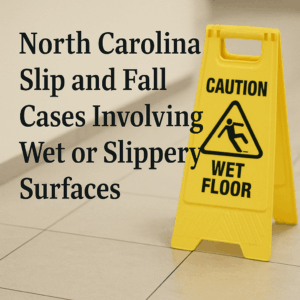
Slip and fall accidents can happen anywhere—at the grocery store, on a restaurant’s floor, or even on a public sidewalk. Wet or slippery surfaces pose serious risks, and when property owners fail to maintain a safe environment, they may be held liable for injuries. Under North Carolina law, property owners are responsible for ensuring that their premises are safe for visitors, whether they are customers, employees, or guests.
If a property owner neglects to fix dangerous conditions or fails to warn visitors of potential hazards, their actions could be considered negligent. Negligence happens when someone’s failure to act reasonably results in harm to another person. If you’ve been injured due to a wet floor, icy sidewalk, or another slippery hazard, there’s a strong chance that negligence played a role in your accident. Our goal is to help you prove negligence and get the compensation you deserve.

Marcel McCrea
Attorney

Tylisa Crawford
Paralegal
Types of Wet and Slippery Surfaces That Lead to Accidents
Wet floors and slippery surfaces are common causes of slip and fall accidents. One of the most frequent hazards is a wet floor in commercial or public spaces. Spilled liquids or improperly cleaned floors in places like retail stores or supermarkets can easily create dangerous conditions. If the area isn’t clearly marked with warning signs, visitors may unknowingly slip and fall. During the winter months, ice and snow can accumulate on sidewalks, making them slippery. Property owners are responsible for removing ice and snow to prevent accidents and ensure safe walkways for visitors. Bathrooms, parking lots, and hallways are additional areas that may present slip and fall risks when wet. Even outdoor areas such as pools or patios can be hazardous when wet, making property owners responsible for keeping these surfaces safe. Understanding these risks can help you determine when your rights have been violated as a visitor or business owner. Regardless of where the accident happens, if the property owner fails to maintain safety, they may be held accountable.
I have worked and referred cases to Attorney Marcel McCrea in Charlotte, North Carolina, for a number of years. His zealous advocacy, keen attention to details, and client care are particularly noteworthy. He has been especially helpful in some complicated personal injury matters that I have referred to his firm. I highly recommend Marcel McCrea and ClearView Legal for anyone looking for excellent attorneys.”
- Frantz Jacques
ClearView Legal do great work. When I had my car accident they were very diligent in showing me the process. They took care of all the necessary paperwork and negotiation in my personal injury claim. They were both passionate and determined to get me my settlement. I am eternally grateful. Definitely 5 star lawyers in my book."
- Osmund Marcellin
I was recently injured in a car accident. I hired Attorney Marcel McCrea of ClearView Legal in Charlotte, NC to help me with my personal injury matter and to recover for my medical bills, lost wages, and pain and suffering.
Before hiring the firm, I tried to negotiate with the insurance company on my own and got no where. Marcel McCrea did an excellent job and helped me to recover much more than I expected. Marcel and his staff exceeded my expectations and provided great customer service. I highly recommend the firm!"
- S. Jackson
The Legal Process for Slip and Fall Cases in North Carolina
To succeed in a slip and fall case in North Carolina, you must prove that the property owner’s negligence directly caused your injuries. This means demonstrating that the property owner knew or should have known about the dangerous condition but failed to take action. Gathering evidence is crucial—take photographs of the slippery surface, collect witness statements, and keep track of any medical records related to your injury. North Carolina follows a system called contributory negligence, which means that if you are even partially at fault for the accident, you might not be eligible to recover compensation. Because of this, it’s critical to work with an experienced attorney who understands how to build a strong case. Our team is dedicated to collecting the necessary evidence and helping you prove that the property owner is responsible for your fall.Common Injuries in Slip and Fall Accidents
Injuries from wet or slippery surfaces can vary in severity. When you slip and fall, the injuries can range from broken bones, sprained ankles, and neck and back injuries to concussions. These injuries may require extended medical treatment, time off work, and physical therapy. In serious cases, slip and fall accidents may cause permanent disabilities or even death. These injuries can have lasting effects on your life, making it crucial to seek compensation for your medical expenses, lost wages, and emotional distress.What Compensation Can You Receive in a Slip and Fall Case?
If you’ve been injured in a slip and fall accident, North Carolina law allows you to pursue compensation for various types of damages, including medical expenses, lost wages, and pain and suffering. Medical expenses cover hospital bills, doctor visits, surgeries, medications, and ongoing treatment. Lost wages compensate for income lost due to your inability to work during recovery. Pain and suffering damages address the emotional distress and physical pain caused by the injury. If personal property such as your phone or clothing was damaged during the fall, property damage compensation may also be applicable.Related Videos
Choosing a Personal Injury Attorney
Personal Injury Case Case Timeline