
Fall festivals bring together temporary walkways, crowded grounds, amusement rides, hayrides, food-service areas, parking lots, and outdoor conditions that can change throughout the day. If you are injured because reasonable safety measures were not taken, responsibility may rest with a property owner, festival organizer, ride operator, vendor, security contractor, or another party whose actions contributed to the accident.
ClearView Legal helps injured people in Charlotte, North Carolina, and across the state understand who may be responsible, what evidence can matter, and how a personal injury claim may proceed. The central issue is often who controlled the dangerous condition, who created it or knew about it, and whether reasonable care could have prevented the injury.

Why Fall Festival Injuries Can Create Complex Liability Questions 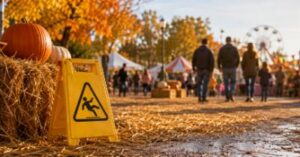
A fall festival may look like one event, but several businesses, property owners, nonprofits, contractors, and vendors may be involved. A church, farm, municipality, shopping center, nonprofit organization, or private event company may host the festival. Separate companies may operate rides, prepare food, provide security, manage parking, install lighting, or supervise attractions.
That structure can affect your injury claim. The party that owns the land may not be the party that created the hazard. An organizer may control pedestrian routes while a contractor installs temporary lighting. A ride company may own and operate mechanical attractions while a food vendor controls the area around its booth.
North Carolina premises liability claims generally examine whether a property owner or occupier used reasonable care for lawful visitors. A property owner is not automatically responsible for every injury that occurs on the property. Liability can depend on the dangerous condition, who created it, who knew or should have known about it, whether reasonable steps were taken to correct or warn about it, and whether the condition caused your injury.
Common Safety Failures at North Carolina Fall Festivals
Festival injuries can result from hazards created or made worse by temporary equipment, crowds, changing weather, and limited visibility. Examples can include:
- Extension cords, hoses, tent stakes, or mats crossing walking paths without adequate markings
- Wet leaves, mud, spilled drinks, grease, or food debris in pedestrian areas
- Poor lighting around parking lots, paths, stairs, restrooms, or vendor areas
- Unstable temporary steps, ramps, bleachers, stages, railings, or platforms
- Unsafe amusement rides or careless ride operation
- Inadequate crowd control near entrances, exits, performances, or popular attractions
- Poorly supervised hayrides, tractor rides, or shuttle areas
- Inadequate security when foreseeable crowd-related risks are not addressed
In Charlotte and Mecklenburg County, evening events can involve reduced natural light, wet leaves, rain, and reliance on temporary lighting. Those conditions do not establish negligence by themselves. They can affect questions about inspections, cleanup, warnings, lighting, and whether a hazard was reasonably visible.
Festival sites can change within hours. Photographs, witness information, incident reports, and other evidence can become especially valuable after a temporary event.
Attorney Paralegal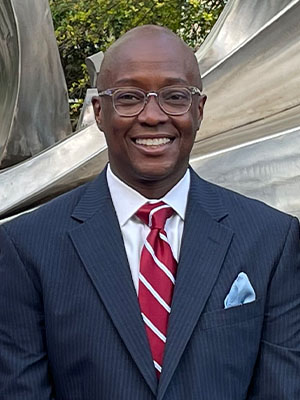
Marcel McCrea

Tylisa Crawford
Who May Be Responsible for a Festival Injury?
The Property Owner or Occupier
A landowner, tenant, business, or other party controlling the property may be responsible when an unsafe condition causes your injury and the evidence supports a failure to use reasonable care. A concealed hole, damaged stair, broken handrail, unstable walking surface, or poorly maintained path may raise questions about the party responsible for maintaining that part of the site.
Learn more about Charlotte slip and fall claims:
https://clearview.legal/charlotte-slip-and-fall-attorneys/
The Festival Organizer
Festival organizers may make decisions about attraction placement, pedestrian routes, inspections, vendor rules, emergency procedures, and crowd flow. If an organizer creates a dangerous layout, ignores known safety concerns, fails to address a hazard, or does not use reasonable care in managing the event, its conduct may become part of the liability analysis.
I have worked and referred cases to Attorney Marcel McCrea in Charlotte, North Carolina, for a number of years. His zealous advocacy, keen attention to details, and client care are particularly noteworthy. He has been especially helpful in some complicated personal injury matters that I have referred to his firm. I highly recommend Marcel McCrea and ClearView Legal for anyone looking for excellent attorneys.” - Frantz Jacques ClearView Legal do great work. When I had my car accident they were very diligent in showing me the process. They took care of all the necessary paperwork and negotiation in my personal injury claim. They were both passionate and determined to get me my settlement. I am eternally grateful. Definitely 5 star lawyers in my book." - Osmund Marcellin I was recently injured in a car accident. I hired Attorney Marcel McCrea of ClearView Legal in Charlotte, NC to help me with my personal injury matter and to recover for my medical bills, lost wages, and pain and suffering. - S. Jackson
Before hiring the firm, I tried to negotiate with the insurance company on my own and got no where. Marcel McCrea did an excellent job and helped me to recover much more than I expected. Marcel and his staff exceeded my expectations and provided great customer service. I highly recommend the firm!"
A Ride Owner or Operator
Mechanical rides can involve separate safety requirements. North Carolina’s Amusement Device Safety Act applies to covered amusement devices, and the North Carolina Department of Labor states that traveling amusement devices are inspected before they operate at each location. The Department also states that inflatables have not been classified as amusement devices under that inspection program since October 10, 2023.
If you are injured on a ride, useful evidence may include:
- Inspection records
- Maintenance records
- Operator training records
- Setup and teardown procedures
- Photographs and video
- Witness statements
- Manufacturer information
- Records showing who owned, installed, maintained, and operated the attraction
Vendors and Contractors
A food vendor that allows cooking oil to collect in a walkway may raise different liability questions from a contractor that leaves electrical cables exposed. Security companies, parking contractors, equipment installers, lighting companies, and temporary staffing companies may also share responsibility when their work creates a hazard or when they fail to address a condition within their control.
If security played a role in your injury, prior complaints, staffing levels, lighting, crowd-control procedures, and the location of the incident may matter.
Learn more about negligent security claims:
https://clearview.legal/charlotte-negligent-security-attorneys/
Government Entities
Some festivals are organized, sponsored, or hosted by towns, counties, state agencies, or other public entities. Claims involving government defendants can raise immunity questions, different procedures, and different filing requirements. The rules can depend on which public entity is involved and what role it played.
Early legal review can help identify the correct defendant, determine whether immunity may apply, and identify any filing requirement that differs from a claim against a private business.
What Must You Usually Prove in a Festival Injury Claim?
A negligence claim generally focuses on four questions:
- Did the defendant owe you a legal duty?
- Did the defendant fail to meet that duty?
- Did that failure cause your injury?
- What losses resulted from the injury?
Evidence can shape the answer to each question. Useful evidence may include:
- Photographs and videos of the hazard and surrounding area
- Incident reports
- Witness names and contact information
- Medical records
- Surveillance footage
- Vendor and contractor agreements
- Ride inspection and maintenance records
- Prior complaints
- Cleaning and inspection logs
- Lighting records
- Event maps
- Communications among organizers, vendors, property owners, and contractors
For example, you may trip over an unmarked cable stretched across a dim pathway between vendor tents. An investigation may examine who placed the cable, who controlled the walkway, whether inspections occurred, whether the cable should have been moved or marked, whether lighting was adequate, and whether you had a reasonable opportunity to see the hazard.
What If More Than One Party Shares Responsibility?
A festival injury can involve overlapping duties. The property owner may control the grounds, the organizer may control event setup, and a contractor may create the specific danger. Your claim may require review of contracts, insurance policies, site plans, staffing records, and communications to determine which parties controlled the area or activity that caused the injury.
More than one person or business may be involved. An investigation should follow the evidence rather than stop with the first company listed on an incident report.
North Carolina Contributory Negligence Can Affect Your Claim
North Carolina follows the contributory negligence rule in ordinary negligence cases. If you are found to have failed to use reasonable care for your own safety and that failure contributed to the injury, recovery can be barred. The result depends on the facts and any legal doctrine that may apply.
A property owner, organizer, insurer, or other defendant may argue that the hazard was open and obvious, that warnings were present, or that you were not watching where you were walking. Evidence such as photographs, lighting conditions, crowd density, sign placement, witness statements, and the physical layout can help show what you could reasonably see and how the incident occurred.
What Compensation May Be Available?
If another party is legally responsible for your injury, recoverable damages may include losses such as:
- Medical expenses
- Lost income
- Reduced earning capacity
- Pain and suffering
- Other documented losses caused by the injury
The available damages depend on the facts, the nature and severity of your injuries, and the evidence supporting your losses.
If a festival accident causes a death, the family may have a separate wrongful death claim. North Carolina applies different rules and deadlines to wrongful death actions.
Learn more about wrongful death claims:
https://clearview.legal/charlotte-wrongful-death-attorneys/
How Long Do You Have to File a North Carolina Festival Injury Claim?
North Carolina General Statutes Section 1-52 generally provides a three-year limitations period for many personal injury actions. A different deadline can apply in certain situations. For example, North Carolina generally provides a two-year limitations period for wrongful death actions.
Claims involving state agencies can also follow separate procedures. Under the North Carolina Tort Claims Act, claims against state departments, institutions, and agencies are generally filed with the North Carolina Industrial Commission, subject to the rules and deadlines that apply to those claims.
The legal deadline is not the only reason to act promptly. A festival site may be dismantled shortly after an event. Tents can be removed, cables can be moved, rides can leave the area, employees can change jobs, and surveillance footage can be overwritten. Early evidence preservation can make it easier to document the conditions that existed when you were injured.
Steps to Take After a Fall Festival Injury
Your health should come first. Seek medical care for your injuries and follow the treatment instructions you receive.
When you are able, consider taking these steps:
- Report the accident to a festival representative, property owner, or other responsible person
- Ask how to obtain a copy of any incident report
- Photograph and record video of the exact area before conditions change
- Photograph lighting, signs, barriers, temporary equipment, spills, debris, or other relevant conditions
- Collect the names and contact information of witnesses
- Keep tickets, receipts, wristbands, parking records, and other proof that you attended the event
- Preserve damaged clothing, footwear, or personal property
- Keep medical records, bills, work restrictions, and wage-loss information
- Avoid giving a detailed recorded statement to an insurance company until you understand why the statement is being requested
A Charlotte personal injury attorney can review the event structure, identify potential defendants, request time-sensitive evidence, examine available insurance coverage, and evaluate how North Carolina negligence rules may apply.
Learn more about Charlotte personal injury claims:
https://clearview.legal/charlotte-personal-injury-attorneys/
Speak With a North Carolina Personal Injury Attorney
If you were injured at a fall festival in Charlotte, Mecklenburg County, or elsewhere in North Carolina, ClearView Legal can review the circumstances, identify potential sources of liability, and explain the legal options that may apply to your situation.
Call (980) 300-6223 or contact the firm:
https://clearview.legal/contact-us/
The firm emphasizes clear, candid communication and serves injured people in Charlotte and communities across North Carolina. Each case depends on its facts, the available evidence, and the law that applies.
This article is for informational purposes only. It is not legal advice and does not create an attorney-client relationship. Consult an attorney about your specific situation.

 |
 |